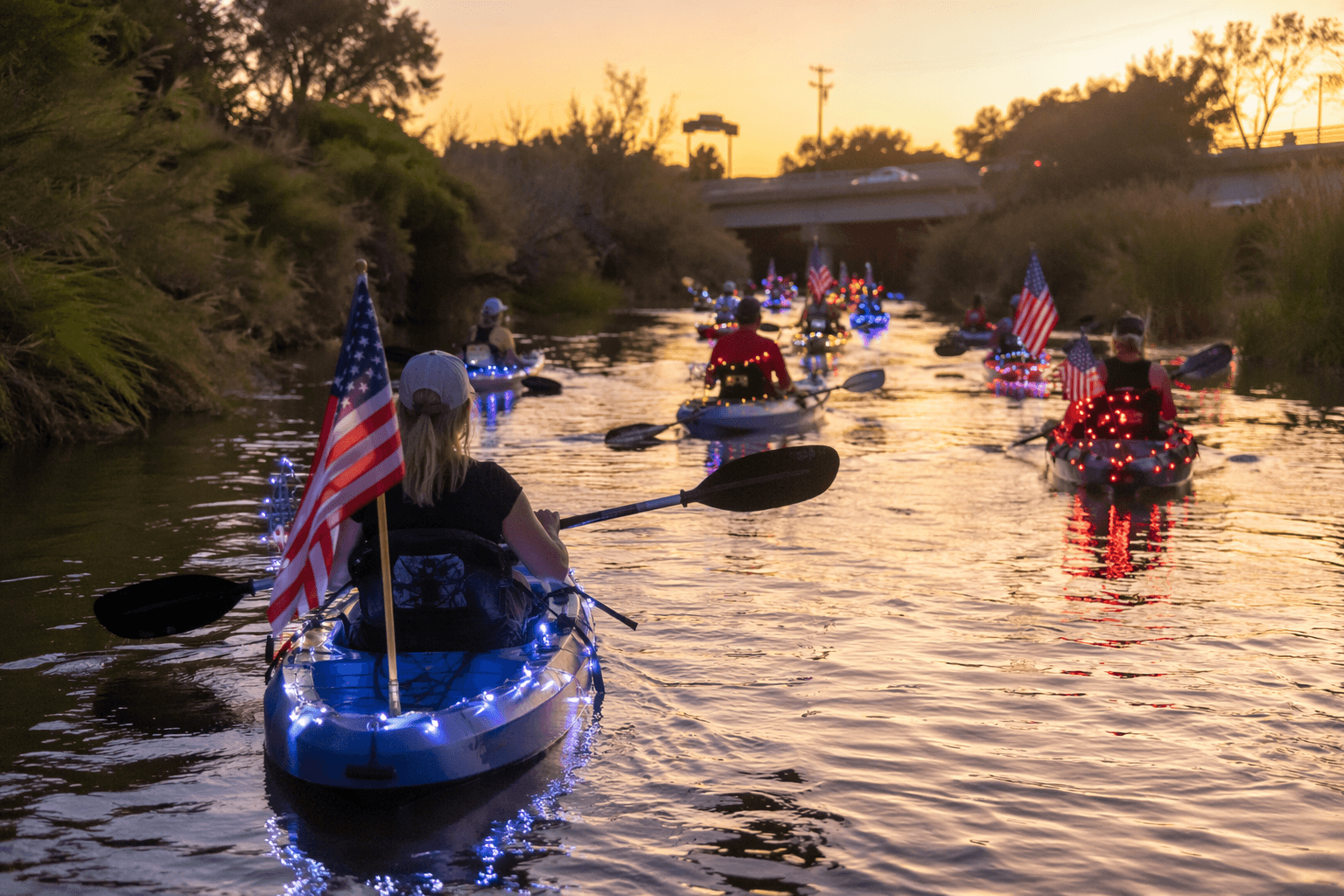
Seminole Canyon State Park offers rock art, history near Del Rio
Seminole Canyon is more than a overlook: guided rock-art tours, canyon hikes and deep frontier history make it a standout day trip near Del Rio.
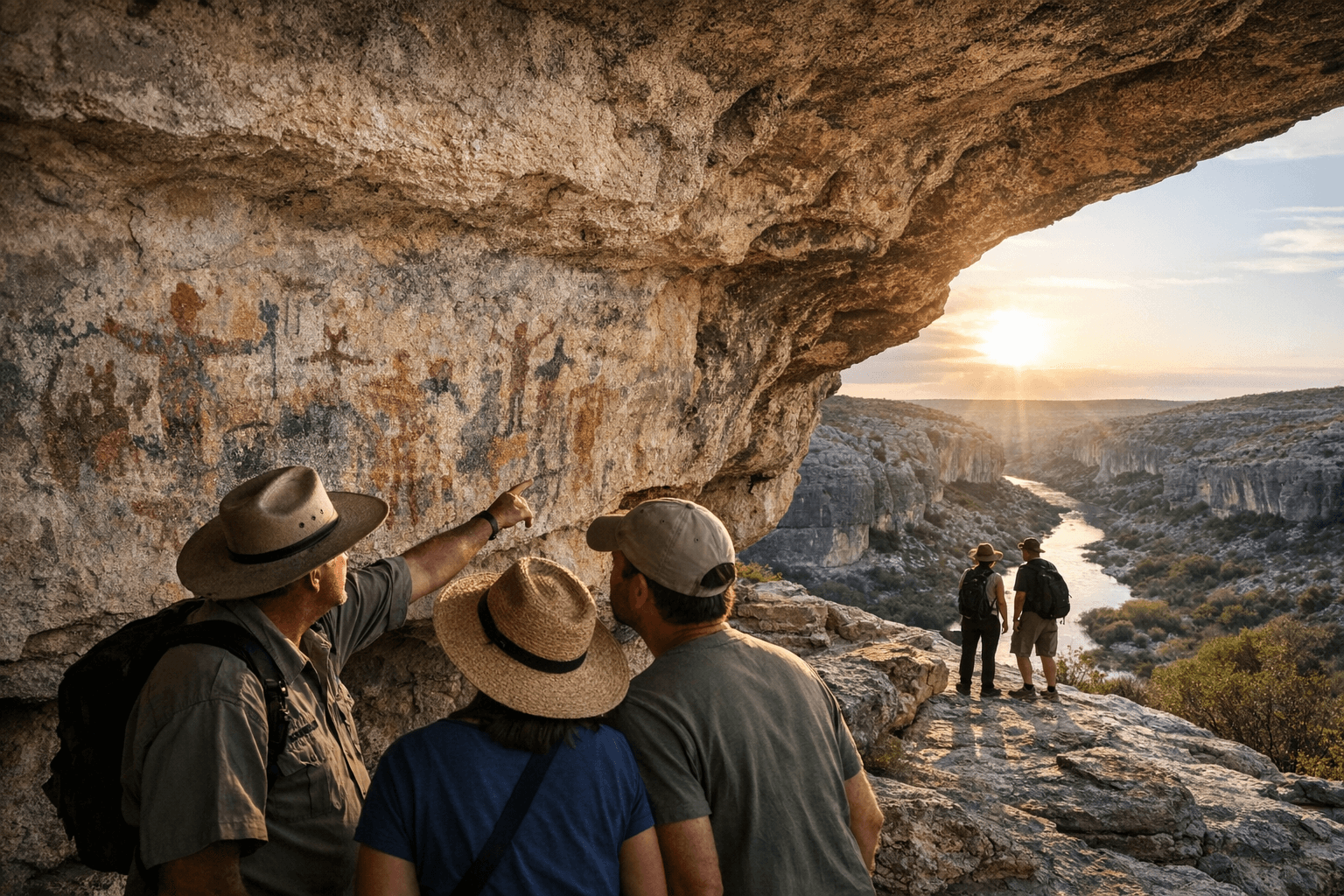
Seminole Canyon’s real draw is below the overlook
Seminole Canyon State Park & Historic Site is the kind of place many Val Verde County residents know by name, but not by experience. The big surprise is how much more it offers than a scenic stop: guided access to ancient rock art, strenuous canyon hikes, and a landscape that folds together prehistoric life, frontier military history and some of the most important archaeology in Texas.
That makes it one of the strongest day trips near Del Rio and Comstock, especially for families who want more than a quick photo stop. With Amistad Reservoir and Amistad National Recreation Area right next door, the park sits inside a larger outdoor corridor that gives this corner of West Texas an unusually dense mix of water, trails and cultural history.
What to do: the tours and trails that define the park
The park’s signature experience is interpretation, not passive sightseeing. Texas Parks & Wildlife says visitors can join guided tours of the White Shaman mural on Saturdays from fall through spring, and reservations are required. Access into Seminole and Presa canyons is restricted to guided tours, which means the park protects its most fragile places by keeping visitors with trained guides.
Other outings give a broader look at the canyon system. The Fate Bell Shelter Tour runs Wednesday through Sunday and costs $8 for visitors 13 and older and $5 for children ages 5 to 12. The Presa Day Hike reaches additional rock art sites in the backcountry, while the Upper Canyon Hike combines remote rock art with the park’s railroad and military history. TPWD also lists Shumla Treks, another sign that this park is as much about guided learning as it is about exercise.
For a quick planning snapshot, the park’s best-known features include:
- More than 12 miles of hiking and biking trails
- Guided access to White Shaman, Fate Bell and other rock art sites
- A campground, interpretive center and bookstore
- Canyon views that extend into Mexico
- Wildlife sightings that can include deer, foxes, bobcats, javelina, raccoons, armadillos and squirrels, with occasional black bears, mountain lions or badgers
That mix matters because it gives visitors a reason to stay longer than a single overlook stop. The trails and tours turn the park into a full-day experience for people who want a real sense of the Lower Pecos region.
A landscape shaped by thousands of years
Seminole Canyon’s scale is measured in both acres and age. The park contains 2,172.5 acres, and Texas bought the land from private owners between 1973 and 1977 before the park opened in February 1980. But the human story reaches back much farther than the park’s modern history.
Texas Parks & Wildlife says early visitors were present in the area about 12,000 years ago. By 7,000 years ago, a new culture was painting pictographs in Fate Bell and other shelters. The park now contains more than 200 pictograph sites, ranging from single images to cave panels that stretch hundreds of feet. That scale is one reason the area keeps drawing archaeologists, historians and visitors who want to understand the Lower Pecos cultural landscape in person.
The rock art is not just old, it is part of a long and continuous creative tradition. Recent scholarship from Shumla Archaeological Research & Education Center and Texas State University found that Pecos River style murals in southwest Texas were painted for more than 4,000 years, beginning nearly 6,000 years ago. That finding places the region among the most significant rock-art landscapes in North America and helps explain why the canyon system still carries so much scholarly attention.
Why the name Seminole Canyon matters
The park’s name honors the Seminole-Negro Indian Scouts, a group whose history is tied to both Texas frontier defense and the broader story of Black and Indigenous military service. TPWD says the scouts protected the West Texas frontier from Apache and Comanche bands between 1872 and 1914, and the National Park Service adds that in 26 missions and 12 battles, no Seminole Negro Indian Scout was ever wounded or killed in combat. Four scouts received the Congressional Medal of Honor.
That history gives the park a second layer of meaning beyond archaeology. Seminole Canyon is not only a site of ancient expression, it is also a place where frontier history and military memory are preserved in the name itself. For visitors from Del Rio, Fort Clark and the rest of Val Verde County, that connection makes the park feel less like a remote attraction and more like part of the region’s own story.
White Shaman and the larger Lower Pecos landscape
The White Shaman mural is one of the park’s biggest draws, and the surrounding landscape is just as important as the panel itself. The Witte Museum says the White Shaman Preserve is about 2 miles west of Seminole Canyon State Park on the Pecos River and is one of 35 contributing sites in the Lower Pecos Canyonlands Archaeological District, which has National Historic Landmark status. It also notes that tours involve a 250-foot descent and ascent into a remote canyon, which helps explain why access is limited and why reservations matter.
That distance from the highway is part of the experience. The Lower Pecos is not a roadside museum exhibit. It is a rugged canyon system where geology, climate, ancient movement and human storytelling all converge. Seminole Canyon gives visitors one of the most practical entry points into that larger world, with guided access that turns difficult terrain into a chance to learn.
A practical day trip for Del Rio and Comstock families
For local families, one of the park’s biggest advantages is how easily it fits into a larger Val Verde County outing. Del Rio offers restaurants, lodging and access to outdoor activities, so visitors can pair a canyon hike with a meal in town or a longer stay near Amistad Reservoir. Comstock sits close enough to make the park feel like part of the neighborhood rather than a far-off destination.
The park’s combination of trails, tours and cultural sites makes it especially useful for families who want a day that feels active and educational at the same time. Children can see why guided access is required, adults can connect the canyon to frontier and archaeological history, and everyone gets a clearer sense of how much of Val Verde County’s identity is tied to the land itself.
Seminole Canyon is distinctive because it refuses to be reduced to one thing. It is a hike, a classroom, a protected archaeological site and a reminder that some of the most important places near Del Rio are the ones people think they already know.
This article was produced by Prism’s automated news system from verified source data, official records, and press releases, then run through automated quality and moderation checks before publishing. The system is built and supervised by the people who set the standards it runs under. Read our full AI policy.
Did this article answer your question?