Three Fugitives Wanted for Sex Offenses Arrested by CBP at Texas Ports
CBP officials say officers at multiple Texas ports of entry apprehended three men wanted on felony sex-related warrants; the arrests and differing media reports matter for local safety and border operations.

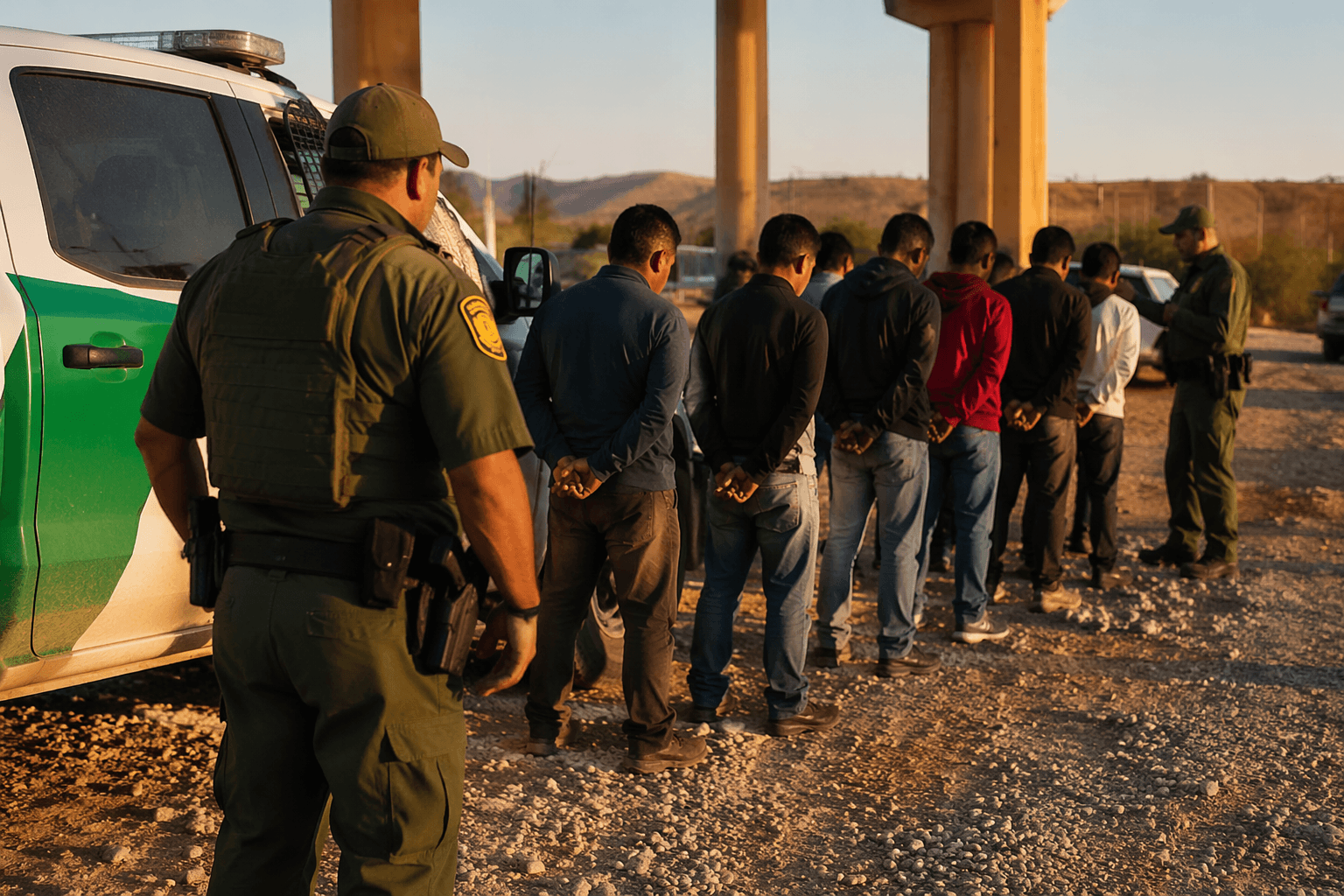
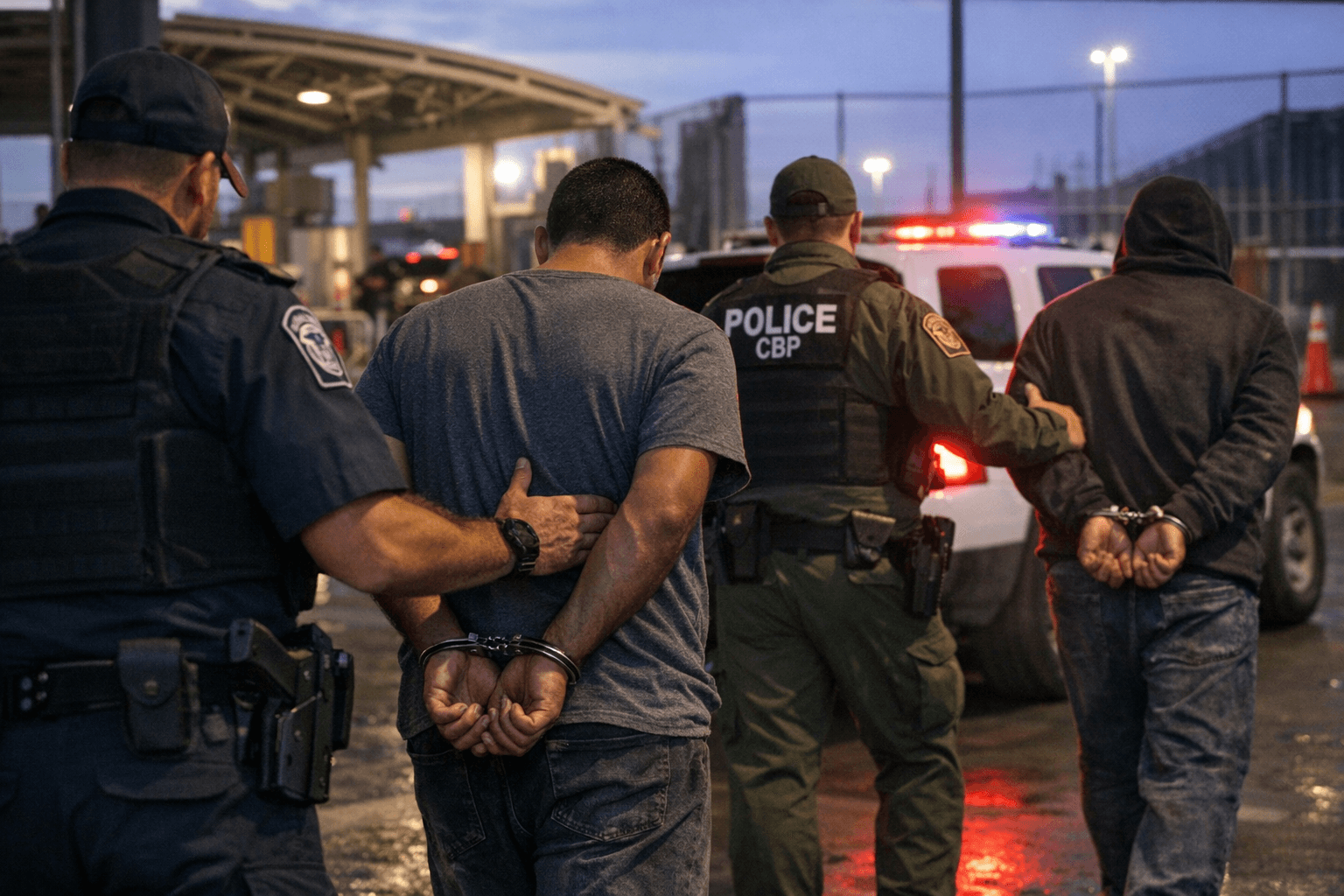
U.S. Customs and Border Protection said frontline officers at ports of entry in the Laredo Field Office area apprehended three men in a roughly 72-hour period who were wanted on outstanding felony warrants for sex-related offenses. The agency framed the cluster of arrests as part of routine secondary inspections and identity checks at international bridges that connect Val Verde County and other border communities with Mexico.
“In less than three days, our frontline CBP officers at three separate ports of entry within the Laredo Field Office area of responsibility apprehended three men, all wanted on outstanding felony warrants for sex-related offenses, which are among the most heinous scenarios we encounter,” said Director, Field Operations Donald R. Kusser, Laredo Field Office. “These continued apprehensions of those wanted for alleged sex offenses perfectly illustrate our ongoing efforts to ensure that justice is served and to keep our communities safe.”
Details differ among news outlets. Fox News reported three arrests at the Juarez-Lincoln Bridge in Laredo, the Anzalduas International Bridge and the Del Rio International Bridge, naming Rito Bueno, 64; Anthony Magana Mendoza, 22; and Jose Kaleb Juarez, 19. Fox said Bueno was wanted in Bexar County for aggravated sexual assault of a child and was taken to Webb County Jail. Fox also quoted Kusser that “These three apprehensions in short succession highlight the critical role CBP plays in protecting the most vulnerable among us,” and that the actions “underscore our dedication to public safety and our collaborative efforts with law enforcement partners to ensure justice is served and to protect our communities.”
Local outlets that canvassed CBP and law enforcement records reported a different set of names and dates. News4SanAntonio and WOAI reported arrests on Jan. 23–25 at the Juarez-Lincoln Bridge, Eagle Pass International Bridge I and Anzalduas, identifying Ezekiel John Glick, 26; Adrian C. Moreno, 33; and an unnamed Jan. 25 passenger. Those reports say Glick faced an active warrant for first-degree child sexual assault out of Taylor County Sheriff’s Office in Medford, Wisconsin and was transported to Webb County Jail, and that Moreno faced indecency-with-a-child warrants from the Weslaco Police Department and was turned over to the Maverick County Sheriff’s Office. News4SanAntonio specifically noted CBP used biometric verification in two of the cases.
The discrepancies in names, ages and ports across outlets underlines the need for official confirmation from CBP and the local agencies that handled bookings. CBP’s public release is authoritative on the overall 72-hour, three-apprehension claim but does not reconcile the differing media accounts of which individuals were taken into custody at which ports. Reporters and residents should treat individual name-charge-location triplets as alleged until confirmed by booking records or issuing jurisdictions.
For Val Verde County residents, the account that includes the Del Rio International Bridge is the most directly local: an arrest at that port would involve Del Rio port operations and could affect perceptions of public safety. The operational details reported - referral to secondary inspection and use of biometric checks - are routine border-screening tools that CBP says help locate people wanted on outstanding warrants. Suspects remain presumed innocent until proven guilty in court.
What comes next is verification and transparency from agencies: CBP and county jails can confirm booking records and the jurisdictions that issued warrants, and local law enforcement can clarify custody and court proceedings. For Del Rio and other border crossings, travelers can expect continued secondary inspections as authorities work with partner agencies to execute warrants while maintaining port operations.
This article was produced by Prism’s automated news system from verified source data, official records, and press releases, then run through automated quality and moderation checks before publishing. The system is built and supervised by the people who set the standards it runs under. Read our full AI policy.
Did this article answer your question?