Val Verde County added to screwworm infested zone as cases rise
Val Verde County is now inside Texas’ screwworm infested zone, and ranchers must get state approval before moving warm-blooded animals out.
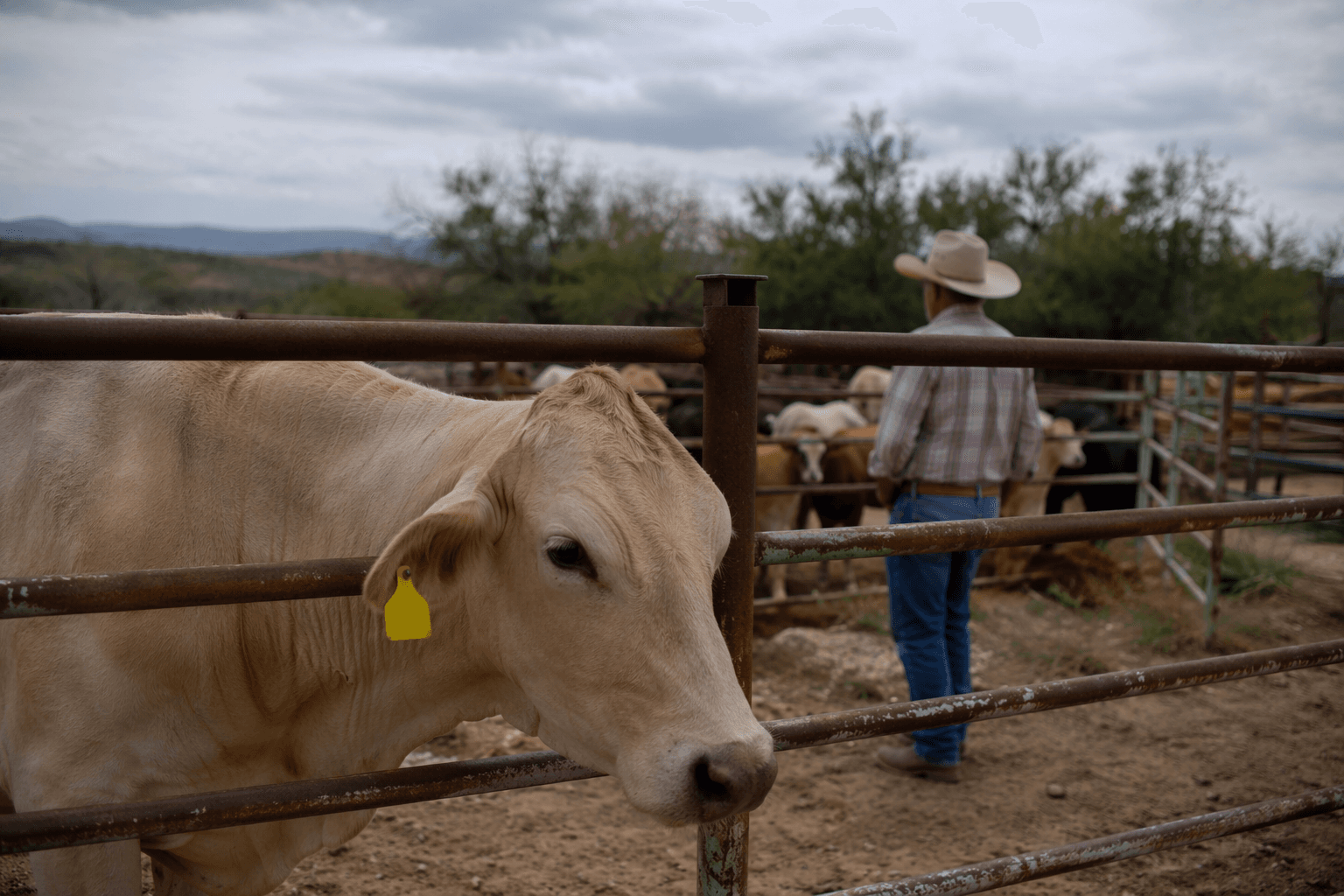
Val Verde County has been pulled into Texas’ New World screwworm infested zone, putting new limits on how ranchers and animal owners can move livestock out of the county. The Texas Animal Health Commission says warm-blooded animals inside the zone may not leave without prior authorization, and the county is telling producers to call the incident command post at 737.900.7455 for movement inspections.
By July 3, the commission had expanded the infested zone into parts of Crockett, Schleicher, Sutton, Terrell and Val Verde counties, after earlier restrictions were already in place in parts of Edwards, Sutton and Val Verde counties under a June 10 order. The agency later modified the order again after a July 7 screwworm detection in a bovine in Crockett County, showing the control area is still being adjusted as cases keep appearing.
The latest detections have pushed the Texas count higher. A new case in Crockett County brought the total to 31 on USDA’s confirmed detections map, and another case near the New Mexico state line showed the outbreak was not confined to one stretch of the border country. The USDA’s status page also shows ongoing detections in Mexico in July 2026, including Coahuila, Tamaulipas and Nuevo León.
For Del Rio-area ranchers, the practical effect is added scrutiny on sales and transport, along with the possibility of delays while animals are inspected and movement permission is cleared. The Texas Animal Health Commission says New World screwworms are reportable and can have tremendous animal-health and economic impacts, a warning that matters in a county where livestock hauling and border-country grazing are part of daily business. Even though USDA says the current risk to animals and people in the United States is very low, federal and state officials are keeping a tight watch on the border response.
That response includes surveillance and sterile fly dispersal along the Texas-Mexico border, with USDA aiming for production of about 500 million sterile flies a week. The agency says the pest is a serious threat to livestock and wildlife, and the National Agricultural Library notes that earlier U.S.-Mexico eradication work stretched across Texas, New Mexico, Arizona, California and northern Mexico and relied on the same sterile insect technique now being used again. For Val Verde County, the designation means the outbreak is no longer a distant border problem; it is now a local livestock rulebook issue.
This article was produced by Prism’s automated news system from verified source data, official records, and press releases, then run through automated quality and moderation checks before publishing. The system is built and supervised by the people who set the standards it runs under. Read our full AI policy.
Did this article answer your question?