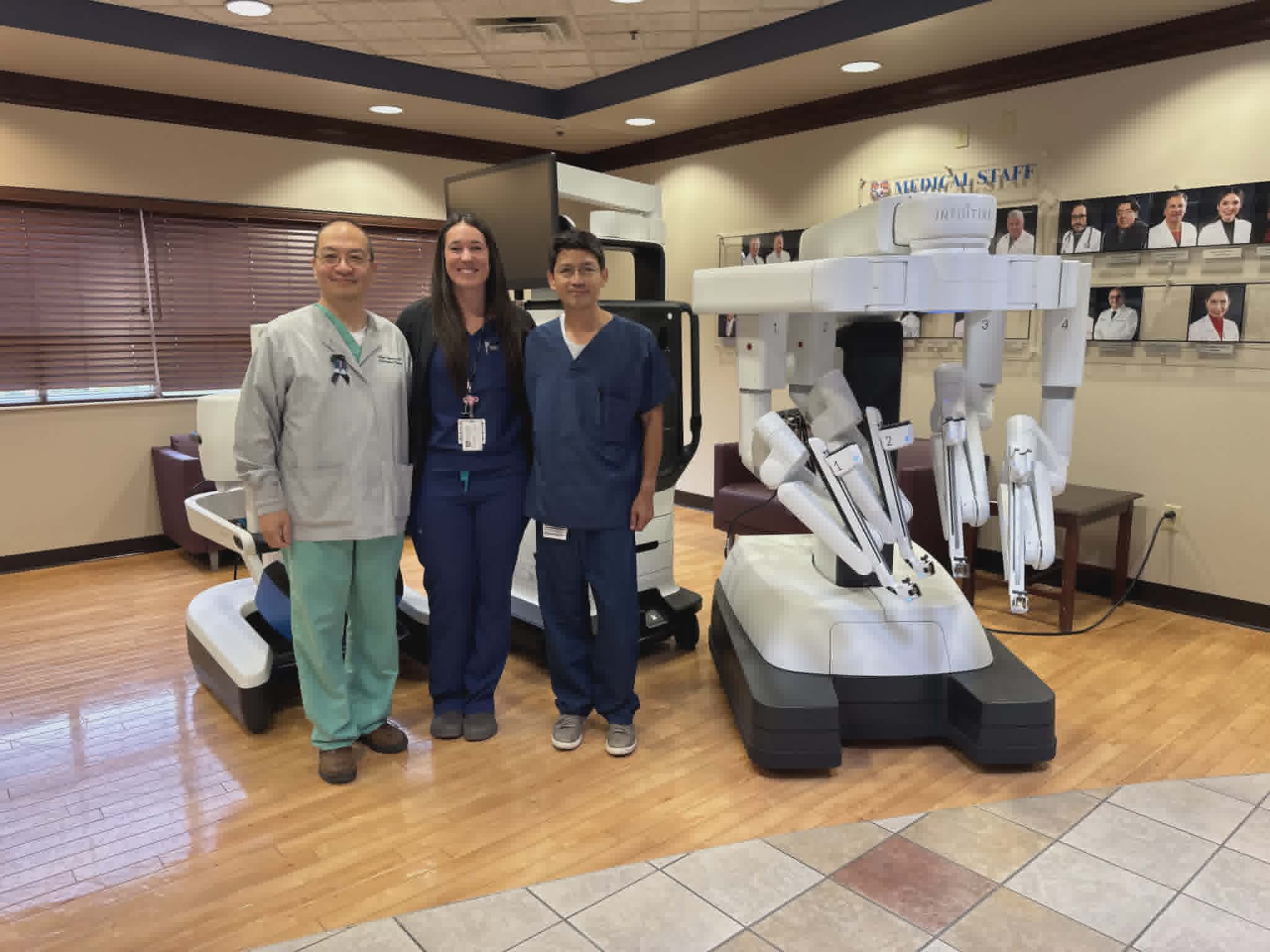
Val Verde Regional Medical Center Shares Six Ways to Reduce Colorectal Cancer Risk
VVRMC published six ways to reduce colorectal cancer risk, backed by a free local support room serving Del Rio residents regardless of income.
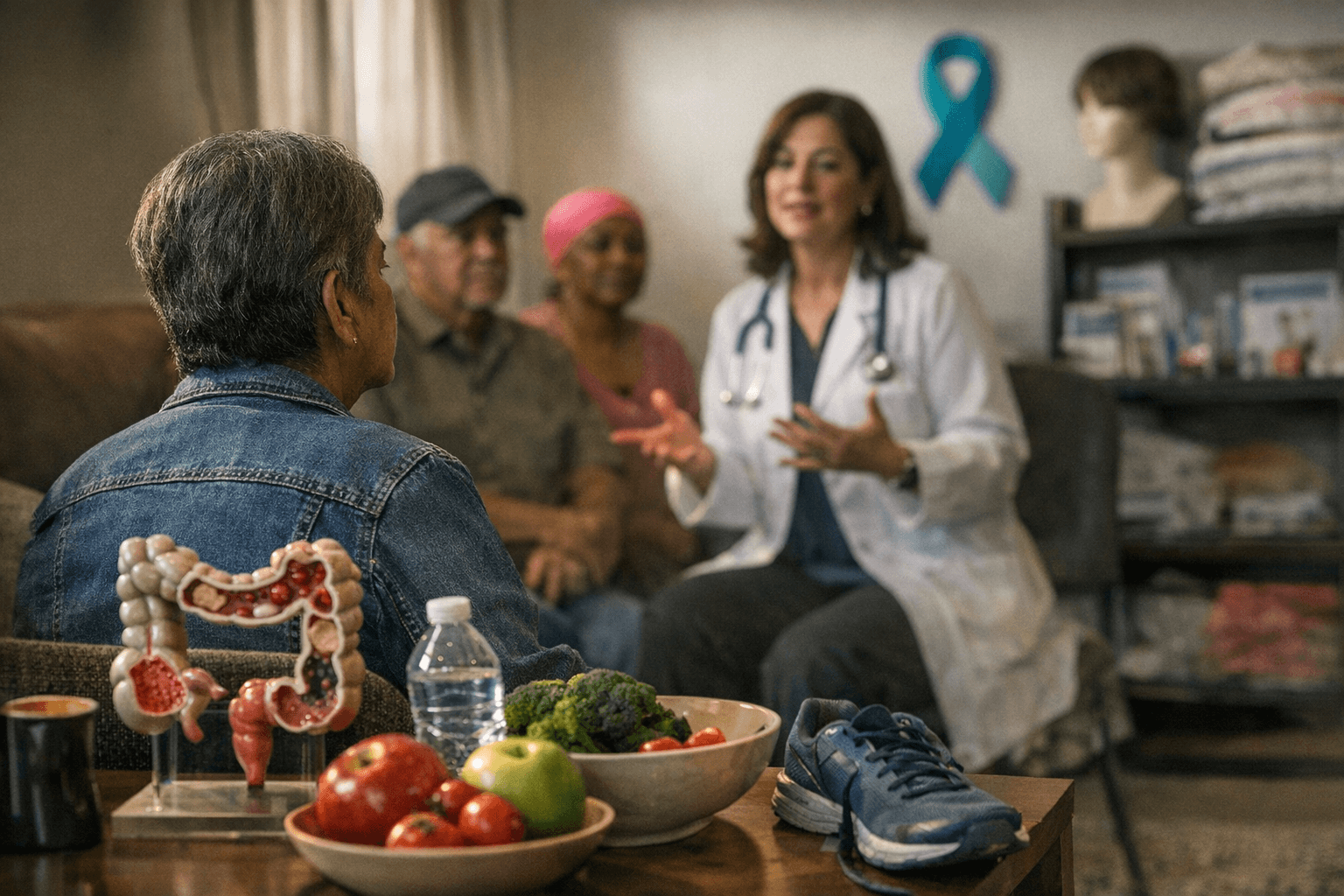
Val Verde Regional Medical Center published a patient-facing health guide titled "Colorectal cancer: 6 ways to reduce your risk" on March 20, 2026, adding it to the hospital's health library as a direct resource for Del Rio and Val Verde County residents. The release comes from the only hospital in the county, a 93-bed, Joint Commission-accredited institution operated by the Val Verde Hospital District, and reflects a longstanding institutional push to keep cancer care and education rooted in the local community rather than requiring patients to travel the roughly 180 miles to San Antonio.
Understanding the local stakes matters before diving into the guidance itself. A 2013 Community Health Needs Assessment found that Val Verde County had a direct-care physician ratio of 75.9 patients per physician as of 2010, a shortage so acute that many residents were using the hospital's emergency facilities for primary care concerns. Only 20 percent of patients served at VVRMC held HMO or PPO coverage, compounding the barriers to preventive screenings that catch colorectal cancer early. Those figures underscore why VVRMC's investment in accessible, plain-language prevention education carries particular weight for this community.
What VVRMC's Guidance Covers
The hospital's health library article lays out six distinct strategies for reducing colorectal cancer risk. While the full text of each recommendation was not available in materials reviewed for this report, the guidance is grounded in standard evidence-based prevention frameworks and is presented in accessible language for a general patient audience. Anyone in Del Rio and the surrounding area can access the full article directly through VVRMC's health library on the hospital's website.
Get Screened Regularly
Colorectal cancer screening remains the most powerful tool for catching precancerous polyps before they become malignant. Colonoscopies, stool-based tests, and other approved methods can detect abnormalities in people who have no symptoms at all. For a county where physician access has historically been strained, VVRMC's emphasis on local screening options is a practical counterweight to the tendency to defer care or travel elsewhere.
Watch Your Diet
Dietary patterns play a well-documented role in colorectal cancer risk. Diets high in processed and red meats and low in fiber, fruits, and vegetables are consistently linked to higher rates of the disease. The hospital's guidance points residents toward nutritional choices that support digestive health, an especially relevant recommendation in a region where food access and chronic disease rates intersect with broader social determinants of health.
Stay Physically Active
Regular physical activity is associated with lower colorectal cancer risk, partly because it helps regulate body weight and reduces inflammation in the colon. VVRMC's guidance encourages residents to incorporate movement into daily life, a recommendation that requires no specialist visit or insurance coverage to act on.
Maintain a Healthy Weight
Obesity is an established risk factor for colorectal cancer, and excess body weight is linked to changes in hormone levels and inflammation that can promote tumor development. Maintaining a healthy weight through diet and exercise addresses multiple cancer risk factors simultaneously, making it one of the most broadly applicable pieces of prevention advice in the hospital's guidance.
Limit Alcohol and Avoid Tobacco
Both alcohol consumption and tobacco use elevate colorectal cancer risk. Alcohol is classified as a Group 1 carcinogen by the International Agency for Research on Cancer, and even moderate drinking has been associated with increased risk. Tobacco's role in colorectal cancer, separate from its well-known lung cancer connection, is less widely known but medically significant. VVRMC's inclusion of both substances in its prevention framework gives residents a fuller picture of modifiable risk.
Know Your Family History
A personal or family history of colorectal polyps, colorectal cancer, or certain inherited conditions such as Lynch syndrome substantially raises an individual's lifetime risk and can move the recommended age for first screening earlier than standard guidelines. VVRMC's guidance encourages residents to have conversations with their care team about family medical history, a step that can reframe screening from a routine recommendation into an urgent one for some patients.
Free Local Support Through the Mary L. Pierce Cancer Resource Room
Running alongside the hospital's prevention education is a concrete support infrastructure for anyone already navigating a cancer diagnosis. The Mary L. Pierce Cancer Resource Room is a nonprofit organization operating within VVRMC to provide free support to the people of Del Rio and its closely neighboring communities, regardless of income.
The Resource Room was created through a partnership between the Val Verde-Kinney Cancer Task Force, VVRMC, and the TCCCP. According to a 2013 community health assessment, the Val Verde-Kinney Cancer Task Force set out not only to educate the community about cancer prevention and early detection but also to address the practical needs of patients and their families. The American Cancer Society's regional representative advocated for a dedicated space where patients could access information and services including prosthesis and bra fittings, and offered to supply ACS materials and resources. Task Force members recognized the room as a vehicle for survivorship assistance identified in a community survey, making it one of the more comprehensive local cancer support structures for a community of this size.
The assessment's authors noted that the Cancer Resource Room's development offers a replicable model: "The CRR story can inform those in other small communities, particularly those in border areas, about how they too might come together to develop resources to decrease the burden of cancer for their citizens."
To connect with the Resource Room, reach Cancer Navigator Stacey Covarrubias Monday through Friday between 9 a.m. and 2 p.m. by phone at 830-778-3852 or by email at stacey.covarrubias@vvrmc.org. Assistance is available via phone or in-person appointment. Anyone wishing to support the program can donate or find more information at vvrmc.org/services/cancer-services.
A Regional and National Footprint
VVRMC's commitment to colorectal cancer awareness extends beyond Del Rio's city limits. The hospital is listed among the participants in the 2026 American Cancer Society National Colorectal Cancer Roundtable, appearing alongside major Texas institutions including the University of Texas MD Anderson Cancer Center, Texas Oncology-Amarillo, and Texas Health Presbyterian Hospital of Plano. That listing places a single-hospital border community on the same national roster as comprehensive cancer centers, a signal of how seriously VVRMC has pursued partnerships to reduce colorectal cancer's toll on Val Verde County.
For a community where access to preventive care has long been complicated by physician shortages, insurance gaps, and geography, VVRMC's combination of published prevention guidance and free on-site support through the Mary L. Pierce Cancer Resource Room represents one of the most direct paths local residents have to reduce their colorectal cancer risk without leaving home.
This article was produced by Prism’s automated news system from verified source data, official records, and press releases, then run through automated quality and moderation checks before publishing. The system is built and supervised by the people who set the standards it runs under. Read our full AI policy.
Did this article answer your question?