Belen Regional Airport powers aviation, training and business growth
Belen Regional Airport is a working piece of Valencia County infrastructure, with fuel, training, maintenance and business activity that reaches far beyond the runway.
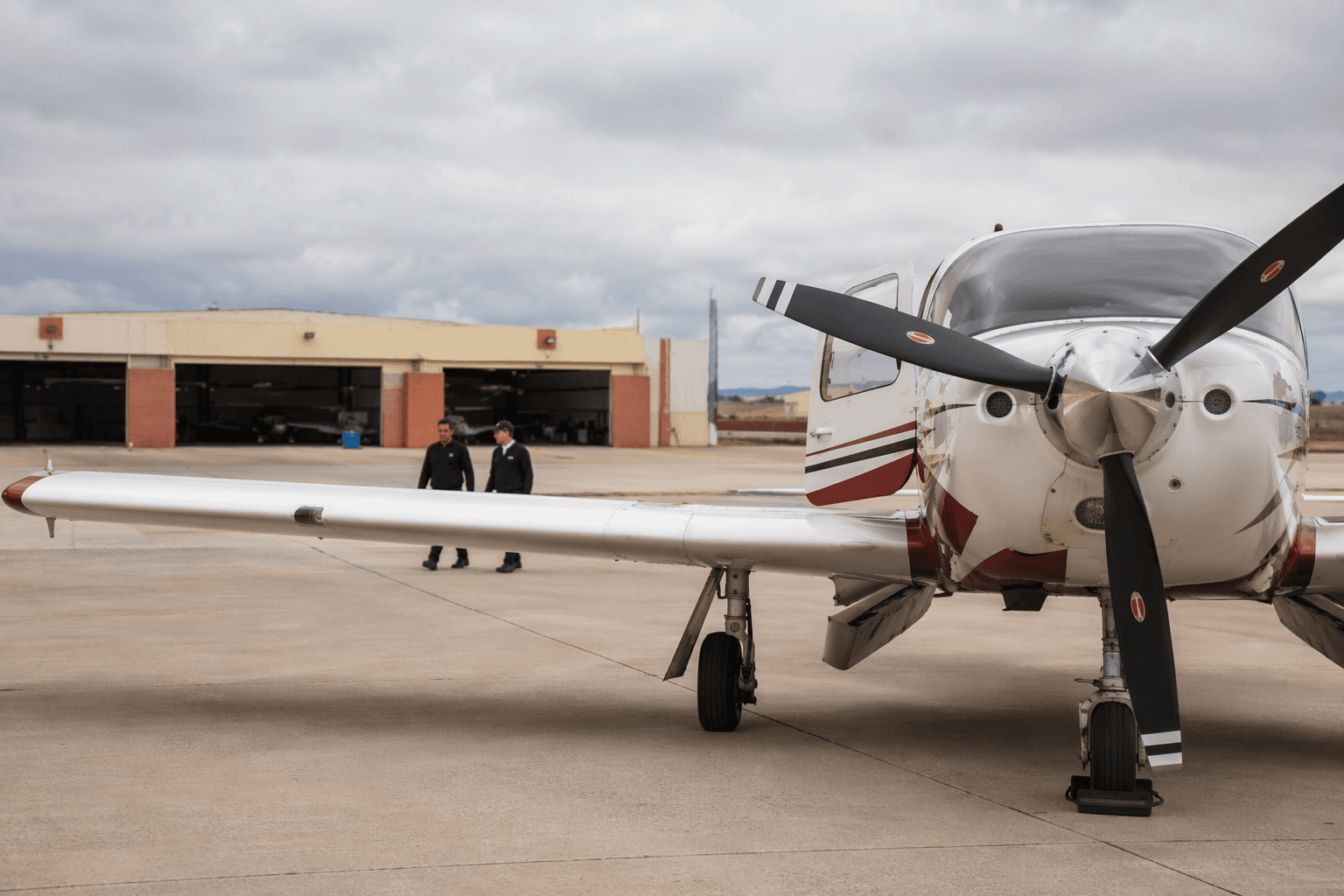
Belen Regional Airport is one of the clearest examples of how the city’s road, rail and air networks still work together. Sitting on the west mesa about a mile west of I-25, the airport gives Belen the county’s only public airport and a place where aircraft, aviation businesses and military training all share the same field.
A working airport on the west mesa
The airport’s location matters as much as its runways. Belen describes itself as the Hub City because it sits at the junction of major transportation corridors, with access to both I-25 and I-40, and the airport extends that identity into the air. For residents, that means Belen is not just a place to pass through by highway or rail line. It is also a place where aviation activity is part of the local economy every day.
That role becomes easier to see when you look at what is based there. The city says more than 50 aircraft are housed at the airport, alongside a skydive club, a propeller maintenance facility, aerial photography operations and other aviation businesses. Those are not ceremonial uses. They point to an airport that supports owners, technicians, pilots and service providers who depend on a functioning, local aviation hub.
From Goebel Airfield to Belen Regional Airport
The airport’s history reflects the city’s long relationship with flight. Belen traces the field back to Goebel Airfield, named for Col. Arthur C. Goebel, the stunt pilot and record-breaker whose name connected the site to aviation’s early daring era. The airport later took the name of former Mayor Neel Alexander, linking it to the city’s own civic history as the airport expanded beyond its original identity.
Today’s airport is a far cry from a simple strip. The city says it grew into two fully operational runways, which is the kind of detail that matters to pilots, service operators and business users who need a field that can handle more than a single narrow function. That runway capacity helps explain why the airport has become an anchor for work rather than a relic of local history.
What is on site now
Belen Regional Airport functions as a small aviation campus. The city lists a lounge that includes restrooms, internet access, a shower, a classroom or conference room and a kitchenette. Those are basic amenities, but they are also the kinds of practical features that make a regional airport usable for more than a quick landing and takeoff.
The airport also has land available for aviation business development, with both small and large plots offered for future use. That matters because airport growth often depends on more than aviation traffic alone. It depends on whether a field can support hangars, service shops, specialty operators and the kind of back-office space that keeps aircraft businesses close to the runway.
A current aviation listing adds even more operational detail. It notes 24-hour fueling, courtesy cars available free for pilots to use locally and a pilots lounge or snooze room. Those features may sound modest, but in practice they are the difference between a field that merely exists and one that actively serves transient pilots, maintenance crews and business visitors.
Why businesses use the airport
The airport’s daily value shows up in the mix of tenants and uses already on the field. A propeller maintenance facility gives aircraft owners a local place for specialized work instead of sending equipment elsewhere. Aerial photography operations bring in another niche business line, one that depends on consistent access to aircraft and a base close to the communities and landscapes they serve.
The skydive club adds yet another layer of activity, bringing recreational aviation traffic into the same airspace as business and service operations. Together, those users create a local ecosystem that is broader than a single hangar or one type of aircraft. In economic terms, the airport helps keep aviation spending local, from fuel and maintenance to lodging, office space and business development around the field.
That is why the airport fits so naturally into Belen’s transportation identity. Rail lines and interstate access may move the bulk of regional freight and commuters, but the airport gives the city a different kind of mobility, one tied to specialized services and higher-value aviation activity. For a place that has built its brand around connectivity, that diversity is part of the asset.
Training that reaches beyond Valencia County
One of the airport’s most important functions is not visible to the casual passerby. The city says Belen Regional Airport serves as an air operations training site for the U.S. Air Force. That places the airport in a much larger operational picture, where a local field in Valencia County supports military readiness and training needs that extend well beyond city limits.
That kind of use also underscores why the airport matters as infrastructure, not just as scenery. A field that hosts training has to remain usable, reliable and properly maintained. It becomes part of a chain of public-purpose activity, alongside the local businesses and aircraft owners who rely on the same runways and support services.
What residents would notice if it were gone
If Belen Regional Airport did not exist, the loss would be felt in practical ways long before anyone missed the view from the fence line. More than 50 aircraft would need another home. The propeller maintenance facility, aerial photography work, skydive activity and aviation business development would all have to move elsewhere, taking with them the spending and jobs tied to those operations.
The airport’s absence would also mean losing the county’s only public airport, which would narrow the options for pilots, visiting operators and training users who now have a local field to use. Even the small conveniences would disappear: 24-hour fuel, the pilots lounge, the shower, the classroom space and the courtesy cars that make short stops and overnight stays workable.
That is the real story of Belen Regional Airport. It is not only a place where planes land. It is a working asset that supports commerce, training and the city’s road-rail-air identity, and it gives Valencia County a form of access that cannot be replaced by highway exits alone.
This article was produced by Prism’s automated news system from verified source data, official records, and press releases, then run through automated quality and moderation checks before publishing. The system is built and supervised by the people who set the standards it runs under. Read our full AI policy.
Did this article answer your question?


