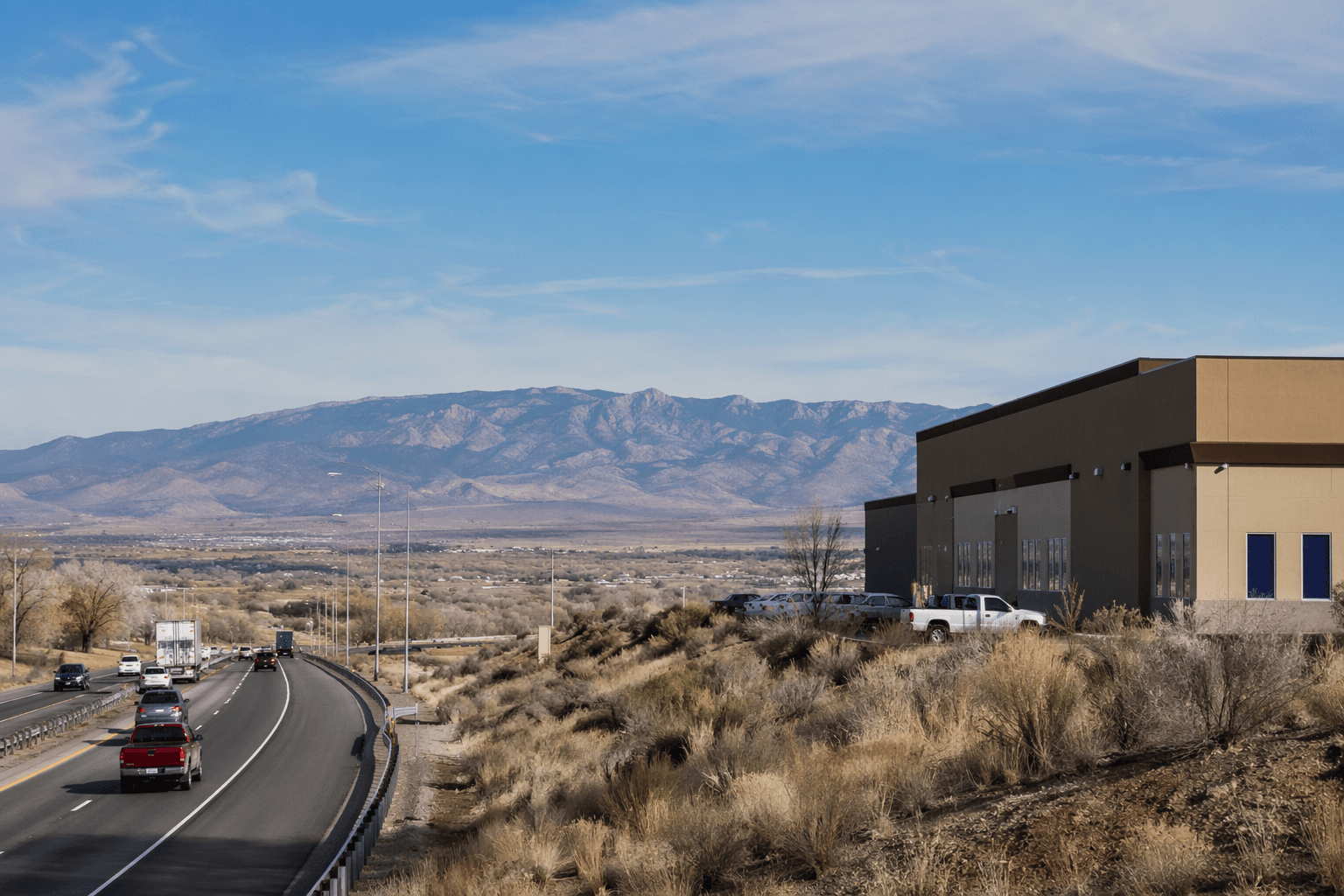
Los Lunas data center expansion alarms residents over water use concerns
Meta’s Los Lunas campus could use as much as 1.4 million gallons a day, intensifying fears about wells, irrigation cuts and who gets water first in a drought.
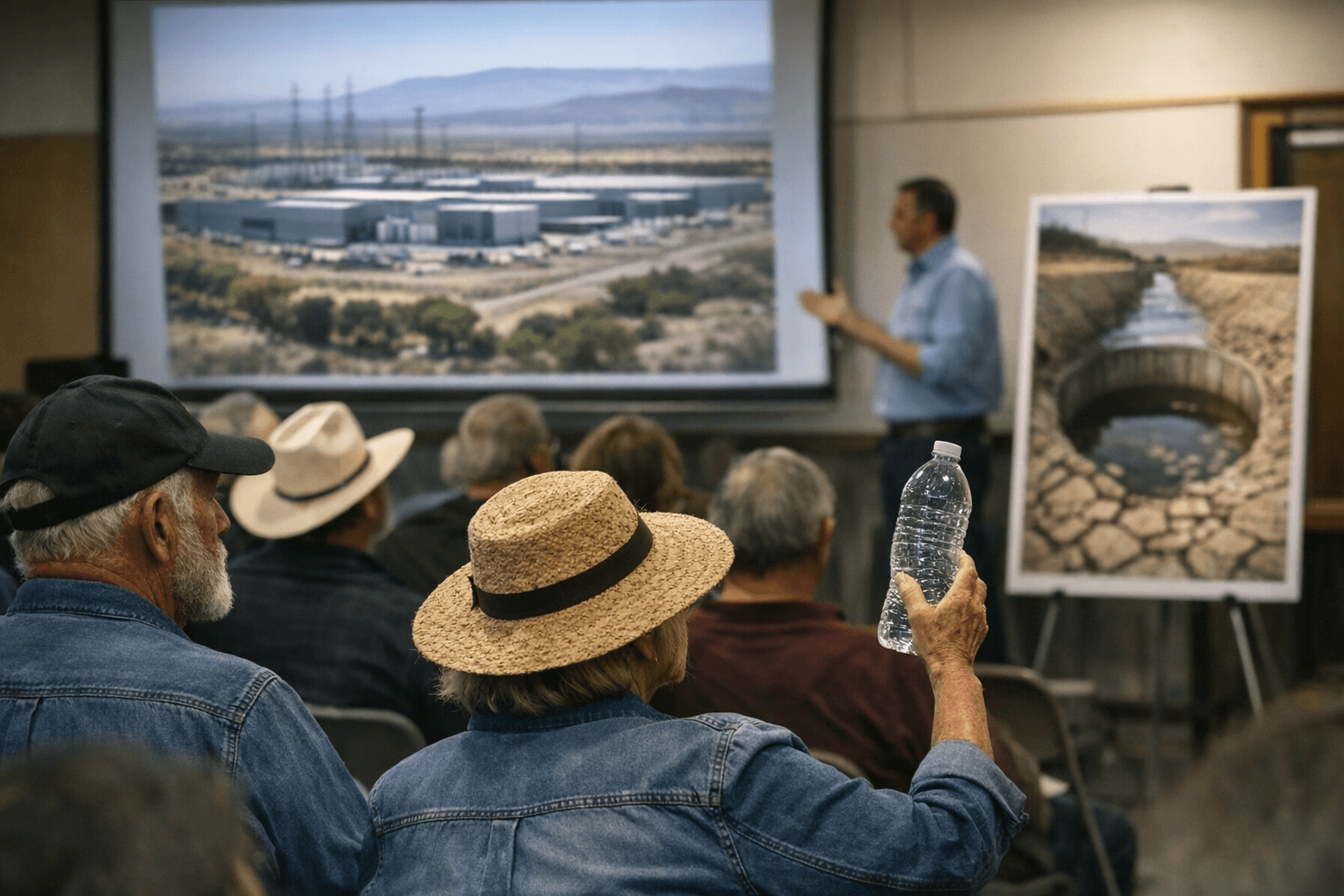
More than a million gallons a day is the number many Los Lunas residents cannot get past. That is the projected water use at full buildout for Facebook’s original Los Lunas data center plan, a scale that has turned a corporate expansion into a household-resource fight over wells, farm deliveries and future growth in Valencia County.
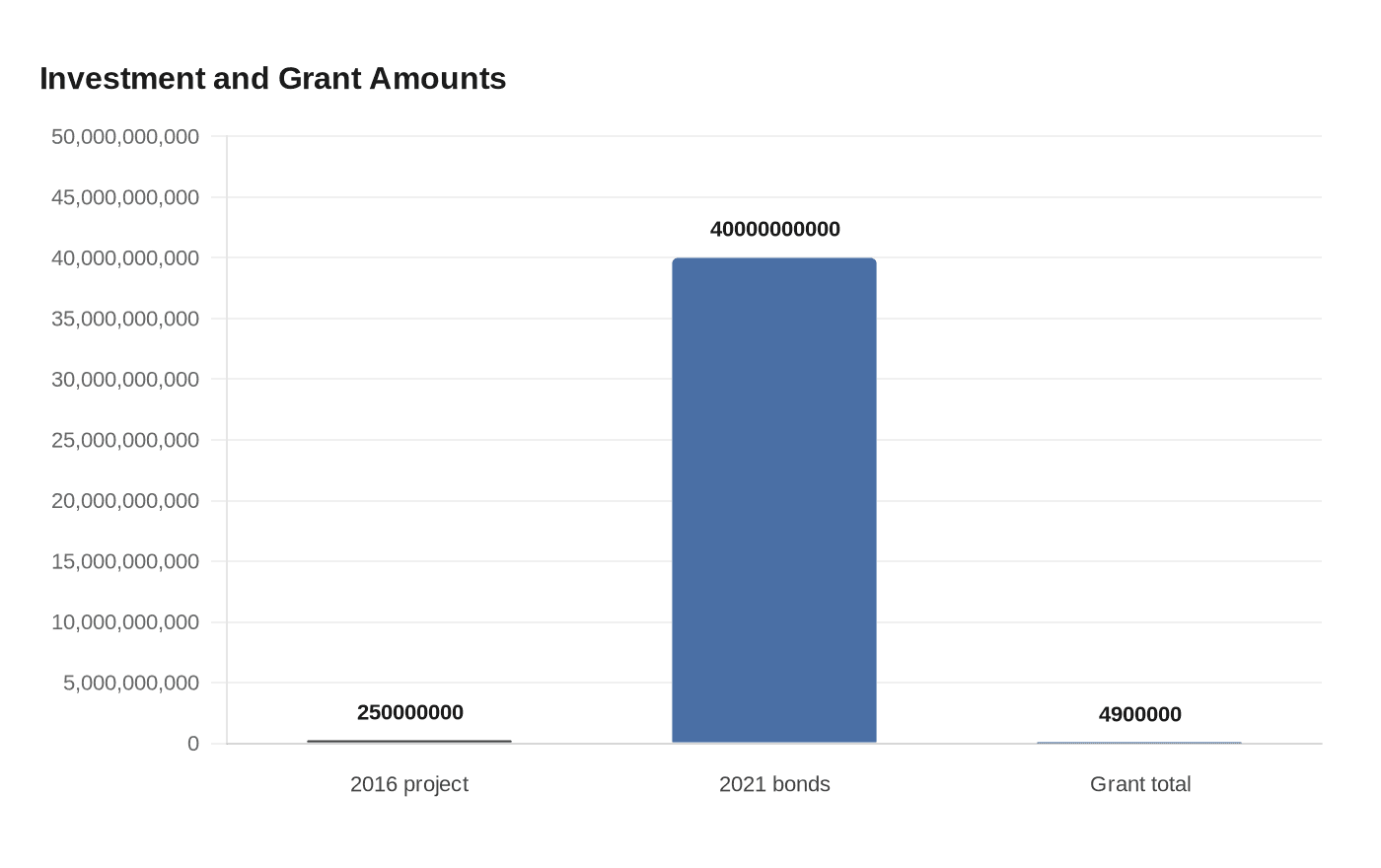
The village first approved the project in 2016, when Facebook chose Los Lunas for a $250 million data center and said the campus could use 700,000 gallons a day in its first year and as much as 1.4 million gallons a day at full 100-megawatt capacity. By March 2021, the Los Lunas Village Council had signed off on financing for a much larger expansion that local reporting said would add two new buildings and help turn the site into a multi-building campus backed by nearly $40 billion in industrial revenue bonds.
That expansion drew organized pushback from residents worried about transparency and water use, including Valencia Water Watchers. Their concern was not abstract. The Middle Rio Grande Conservancy District shortened the irrigation season in 2020 because of water-supply concerns, and local farmers have already complained about cuts to irrigation. In the same village, Niagara Bottling has also faced scrutiny over requests tied to water use, adding to a broader sense that industrial demand is piling onto a strained system.
Meta has tried to blunt those concerns by framing the campus as efficient and water-aware. In 2021, the company said its data centers use 80 percent less water than the average and said the Los Lunas expansion would not require additional water-rights allocations. It also said it restores more water in New Mexico than the Los Lunas campus consumes through watershed projects. More recently, Meta said it supports more than 60 water restoration projects across 12 watersheds and that work in the Rio Grande watershed restores more than 172 million gallons a year. The company’s stated global target is to be water positive by 2030.
The stakes are now tied not just to the campus, but to the village’s growth path. In 2025, Los Lunas approved an industrial revenue bond ordinance for Meta’s expansion to two more next-generation facilities, while the village bond attorney described the bonds as tax incentives and a community partnership. Meta also said its local grant program has given more than $4.9 million to Valencia County organizations since 2019. But for residents, the central question remains simple: if water gets tighter, who comes first, households, farms or data centers?
This article was produced by Prism’s automated news system from verified source data, official records, and press releases, then run through automated quality and moderation checks before publishing. The system is built and supervised by the people who set the standards it runs under. Read our full AI policy.
Know something we missed? Have a correction or additional information?
Submit a Tip