Rio Grande runs dry in Valencia County, data centers blamed online
Irrigators in Valencia County are waiting longer for Rio Grande deliveries as dry spots reached Los Lunas and online blame turned toward Meta’s water use.

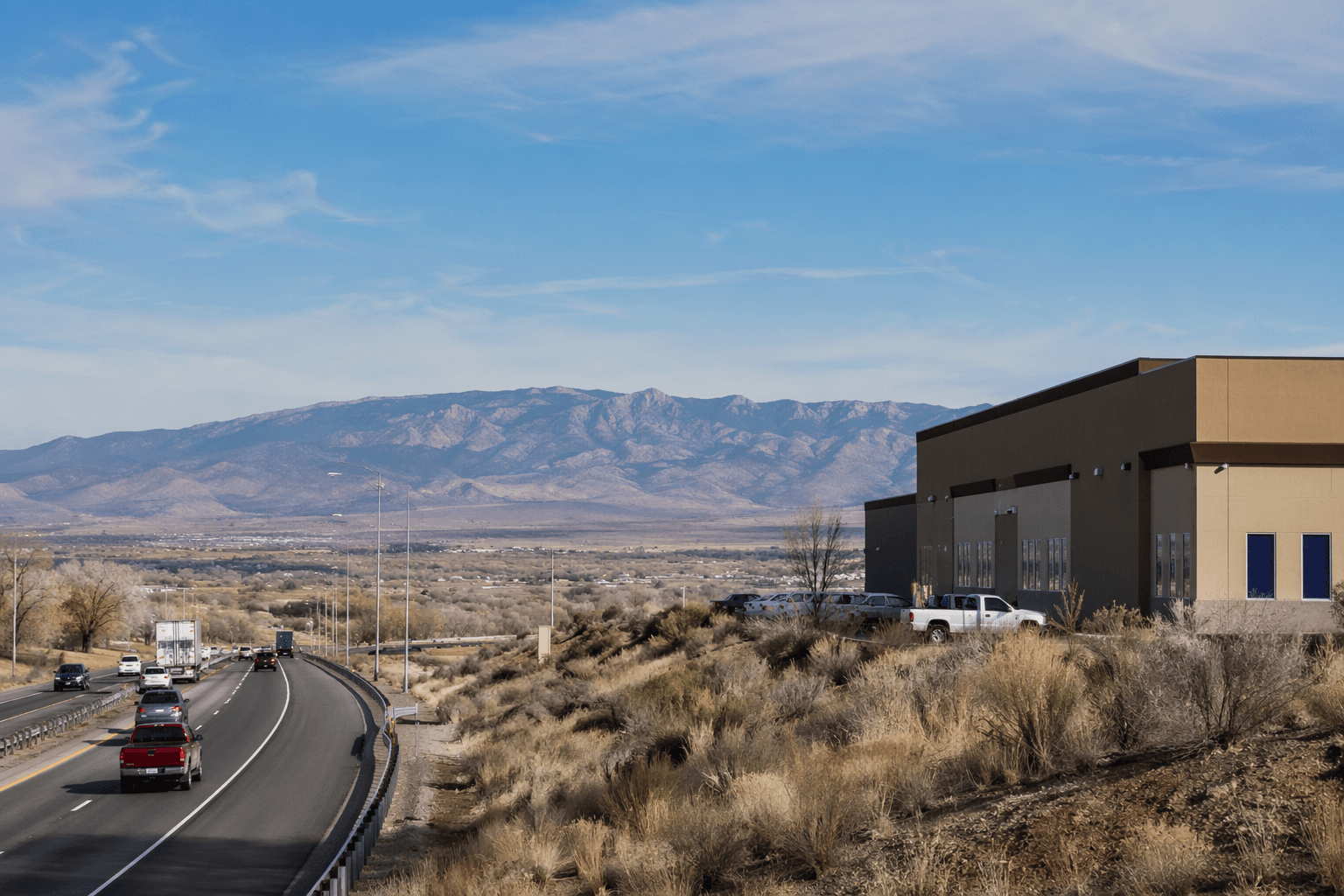
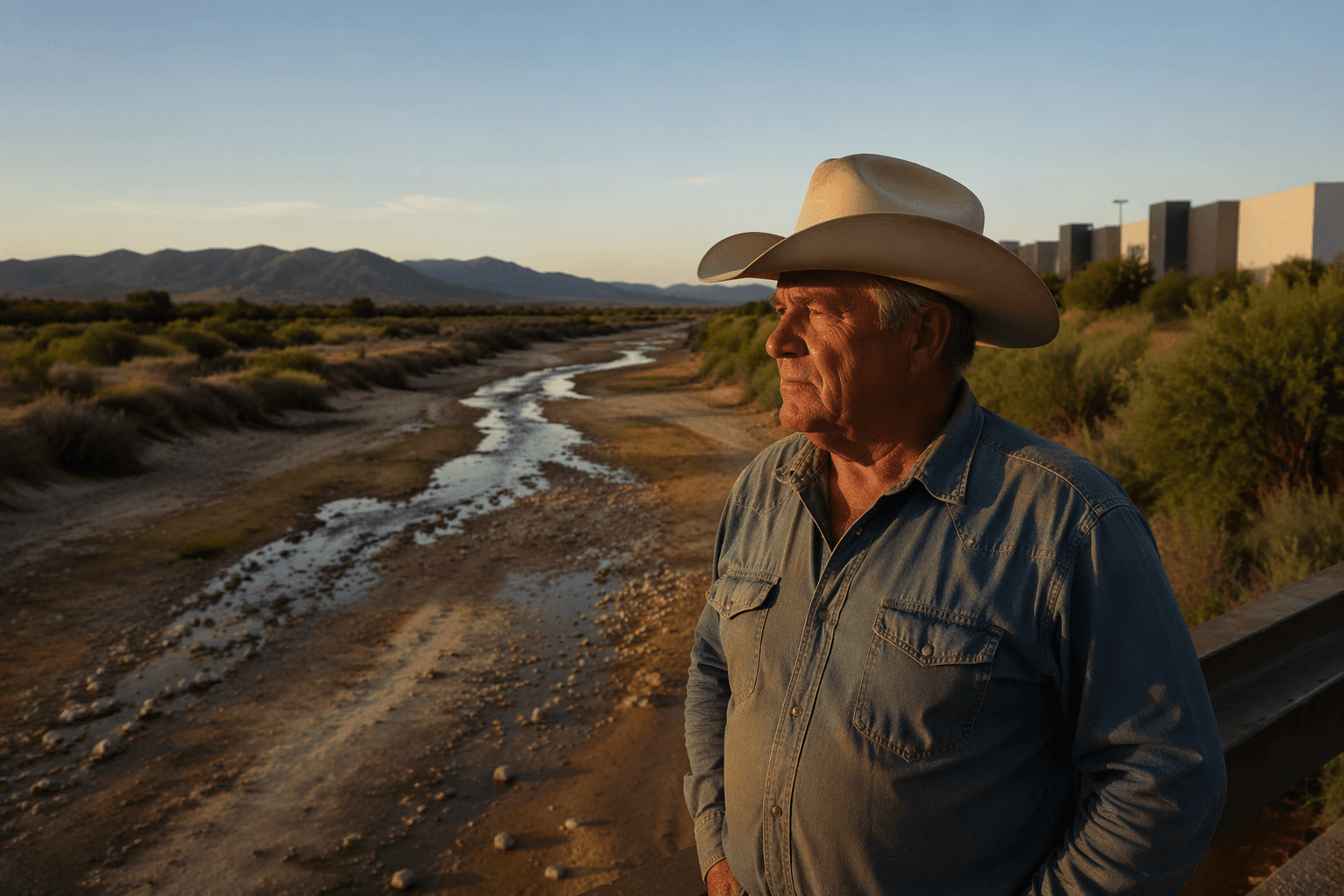
Farmers and irrigators in Valencia County were already feeling the squeeze as the Rio Grande showed dry spots near the Los Lunas crossing, leaving less water moving through a system that now needs far more than it is getting. The Middle Rio Grande Conservancy District said the river typically needs about 700 cubic feet per second to meet demand, but in May it was seeing less than half that flow.
The drying arrived earlier than usual. KRQE News 13 reported that the first channel drying in the San Acacia reach near Socorro was observed at the end of March, well ahead of the typical June timing in an average year. By April, dry patches were already visible in parts of Valencia County, including near Los Lunas. On May 18, KRQE reported that the Albuquerque reach could be days away from drying up, and Anne Marken of the conservancy district said the stretch had dried in 2022 and 2025, both times in July rather than May.
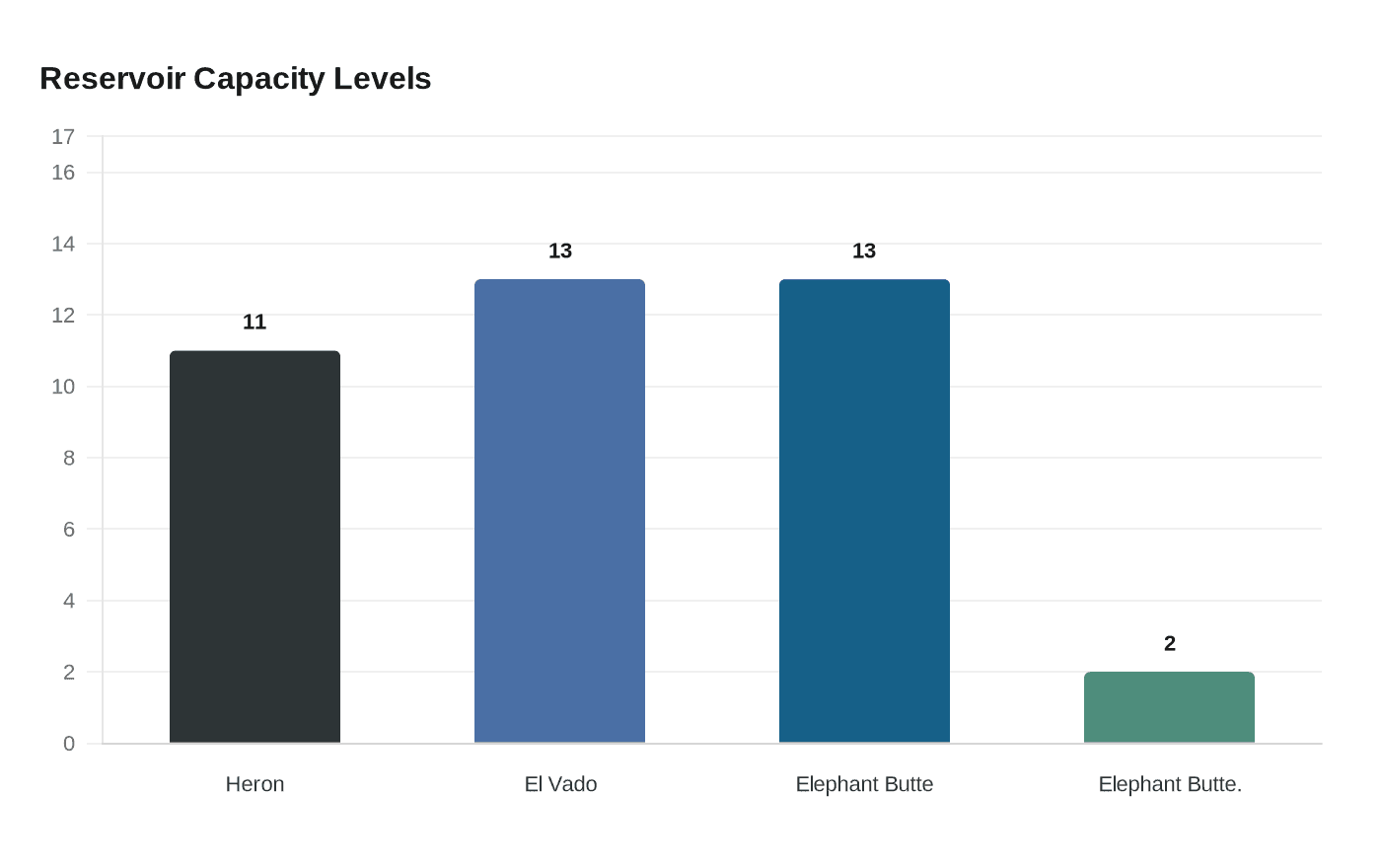
The broader river system was entering the season under severe stress. The Bureau of Reclamation said on April 16 that water managers were bracing for drought conditions driven by the earliest snowmelt on record, one of the lowest snowpacks on record, and reservoirs that were already running low. In mid-April, Heron Reservoir was at 11% capacity, El Vado Reservoir at 13%, and Elephant Butte Reservoir at 13%. Reclamation said Elephant Butte could fall to about 2% full by late August if monsoon rains do not arrive.
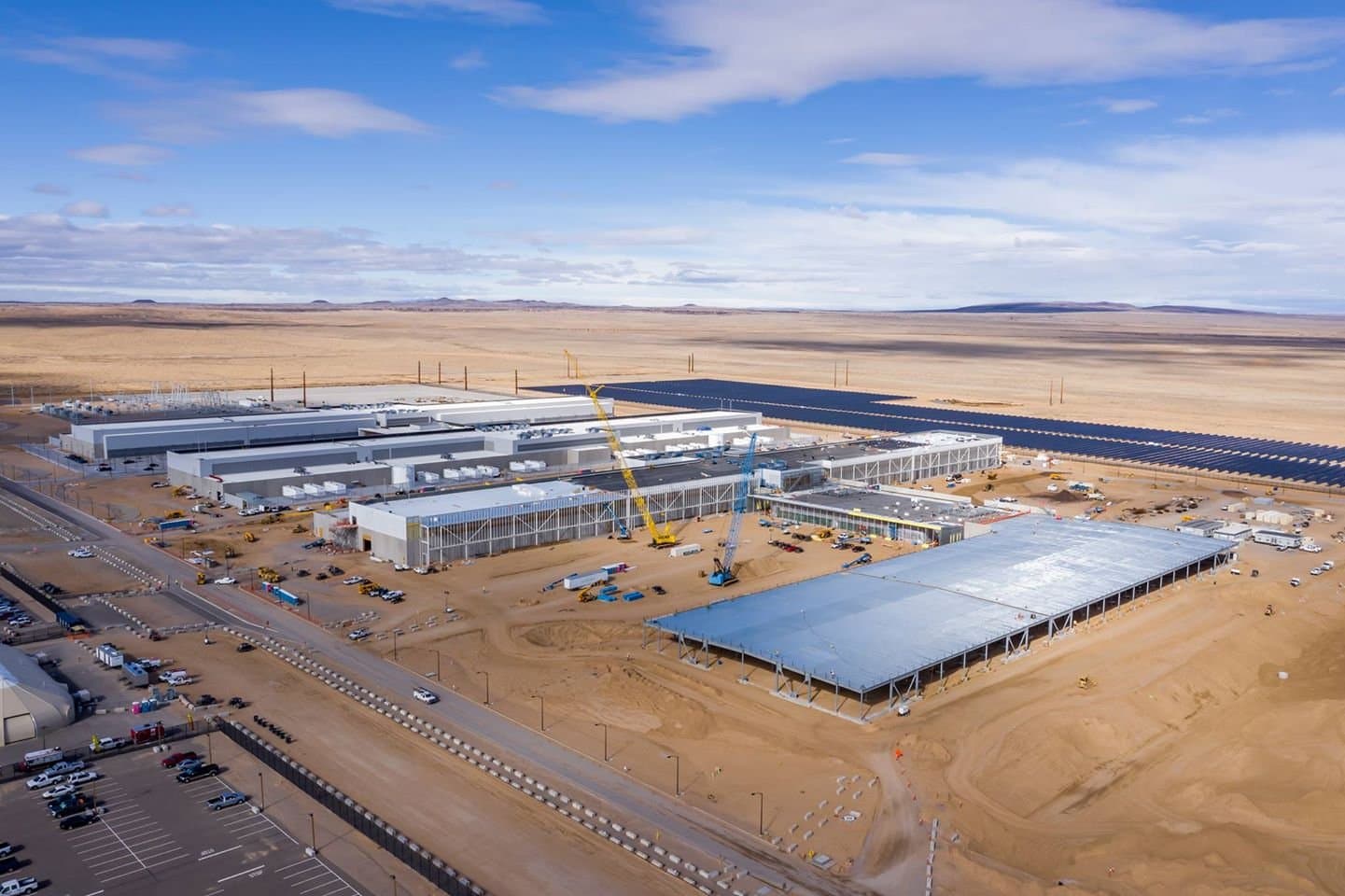
That shortage has fueled online blame toward Meta’s Los Lunas data center, where public reports tied to the company’s sustainability disclosures put 2023 water use at about 283 megaliters, or roughly 75 million gallons. Earlier reporting said the campus was originally projected to use 700,000 gallons a day in its first year and as much as 1.4 million gallons a day at full 100-megawatt capacity. The village agreement reportedly gave Meta access to up to 1.5 million gallons a day, expandable to 4.5 million gallons a day at full buildout.
Meta has said it supports more than 60 water restoration projects across 12 watersheds, but water concerns in Los Lunas have been building since at least 2021. The village approved industrial revenue bonds for the expansion in 2025, and the project won public support from local business leaders, including the Greater Valencia County Chamber of Commerce. For Valencia County, the central question is no longer whether the Rio Grande is under strain. It is how much more pressure the river, the farms and the people who depend on both can take before the dry stretch becomes the new normal.
This article was produced by Prism’s automated news system from verified source data, official records, and press releases, then run through automated quality and moderation checks before publishing. The system is built and supervised by the people who set the standards it runs under. Read our full AI policy.
Know something we missed? Have a correction or additional information?
Submit a Tip