Valencia County acequias blend water management, law, and community governance
Valencia County acequias are still legal, locally maintained water systems, and when upkeep slips, small farms and homes lose water access and drought resilience.
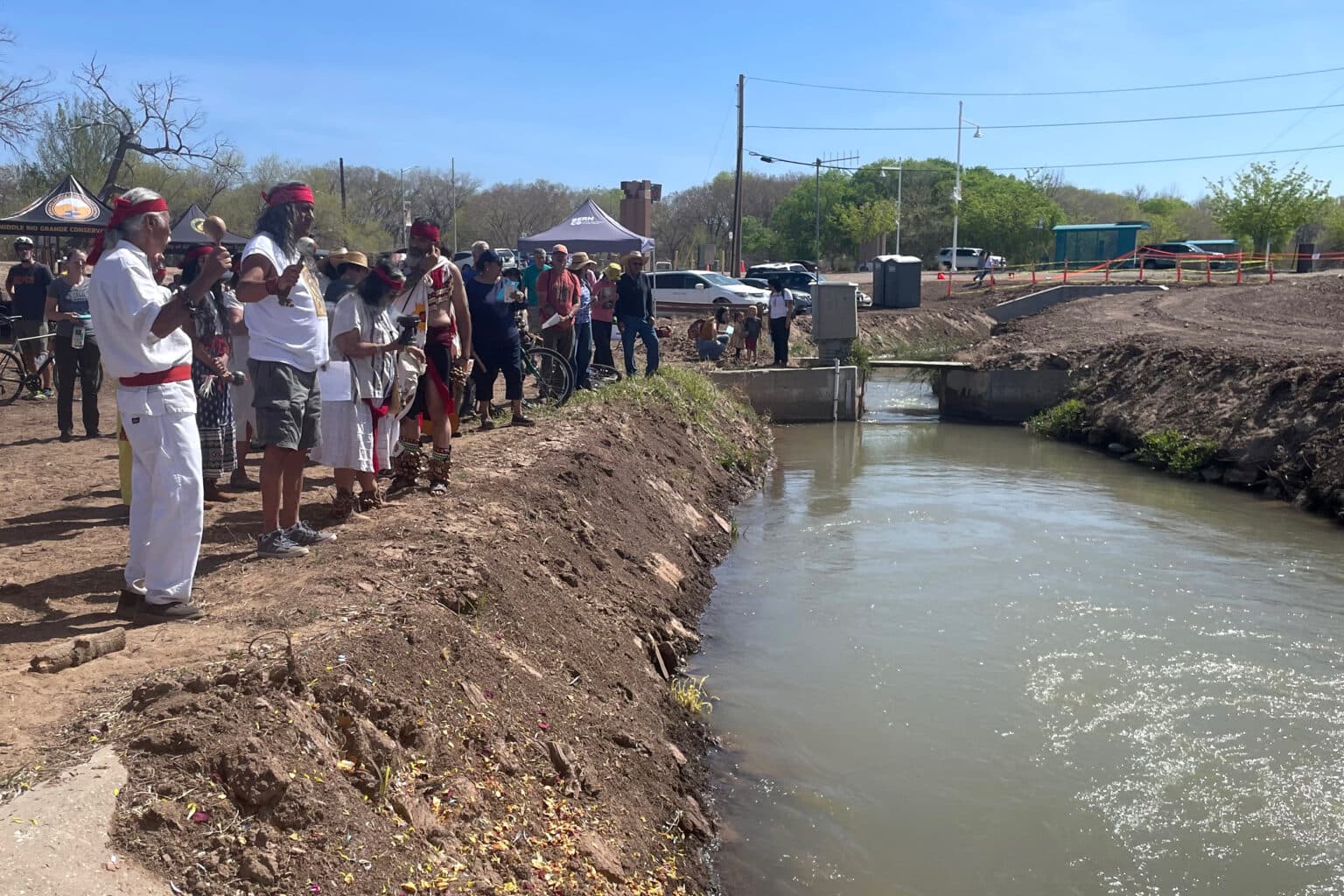
In Valencia County, acequias still decide who gets water, how land is used, and how small farms and households hold up during dry years in the Rio Abajo. State law gives them formal standing, local users pay to keep them running, and a transatlantic water-court tradition still shapes how many people in the county think about governance.
What acequias do now
José A. Rivera’s *NEW MEXICO ACEQUIAS IN VALENCIA: A Documentary Report* focuses on Valencia County. Acequias are more than irrigation channels. They are a social institution, a water-management system, and a form of community governance that still organizes daily life.
They move water through shared ditches, distribute it among users, and give neighbors a structure for making decisions about maintenance and access. In a county where many families still depend on ranchitos, small-scale farms, and ranches, that shared system remains part of local survival, not just local memory.
The University of New Mexico Utton Center says thousands of families still derive all or part of their subsistence or livelihood from acequias. In Valencia County, the system affects more than agriculture alone. It helps shape settlement patterns, land use, and the ability of communities to keep small-scale food production alive.
How the system is governed
New Mexico law recognizes acequias, or community ditches, as political subdivisions of the state. Acequias are part of public governance, even when they are maintained by local people rather than by a municipal utility.
The same state framework sets a hard limit: acequia associations do not have the power to tax. Maintenance and improvements are paid by the individuals served by the system, which puts the burden directly on the people who depend on the ditch. In practice, that means a weak association or a neglected ditch can quickly become a cost problem for everyone on the line.
The New Mexico Interstate Stream Commission reviews plans, specifications, and ditch eligibility, executes contracts and agreements, and inspects acequia projects. The New Mexico Department of Agriculture also administers an Acequia and Community Ditch Fund, giving the state a direct role in supporting repairs and upgrades.
When an acequia is cleaned, repaired, and coordinated well, water moves more reliably and land stays productive. When the civic structure weakens, users can face more expense, less dependable deliveries, and greater pressure on already limited water in a drought-prone region.
Why Valencia County still looks to this model
Valencia County acequias connect local irrigation to the Water Tribunal of Valencia in Spain. In 2014 and 2019, the New Mexico Acequia Association attended events organized by the tribunal to mark the fifth and tenth anniversaries of UNESCO listing the acequias of Valencia and Murcia as examples of the Intangible Cultural Heritage of Humanity.
The Water Tribunal of Valencia is a weekly water-court institution and a living heritage model. For New Mexico acequia advocates, the tribunal shows that a water system can function as a legal institution as well as an engineering one, with public dispute resolution and shared responsibility built into its operation.
Rivera also references self-managed irrigation systems, which helps explain why the Valencia County story is about governance as much as hydrology. People collectively maintain the channels, settle disputes, and keep the system legitimate over time.
A long history behind a living system
The deeper history of communal irrigation in New Mexico reaches back to ancestral Pueblo people in the Four Corners region around AD 800. Spanish explorers arrived in the 1540s, and Acequia Madre was likely created as early as 1610, placing the region’s irrigation traditions within a long continuum of settlement and adaptation.
That long timeline ties acequias to land use and community stability in Valencia County. They are part of how agriculture took root and stayed rooted in the Southwest. They also help explain why ditch maintenance is still treated as a community responsibility rather than a purely private one.
The New Mexico Acequia Association, founded in 1990, has worked to keep that system organized in the modern era. Its Acequia Governance Project, started in 1999, was created to support acequias with bylaws and infrastructure. The old system still requires formal rules, training, and upkeep.
Paula Garcia, the association’s executive director, has tied acequia endurance to attachment to place, water, and the desire to pass ancestral practices to future generations. In Valencia County, that attachment is visible in the everyday reality of who opens gates, clears ditch banks, pays for improvements, and depends on the water that reaches the field or home lot.
This article was produced by Prism’s automated news system from verified source data, official records, and press releases, then run through automated quality and moderation checks before publishing. The system is built and supervised by the people who set the standards it runs under. Read our full AI policy.
Did this article answer your question?