Valencia County historical society guides residents to heritage sites across the county
Valencia County’s history is spread across Belen, Los Lunas and beyond, with the historical society linking the sites and the hours that make them usable.
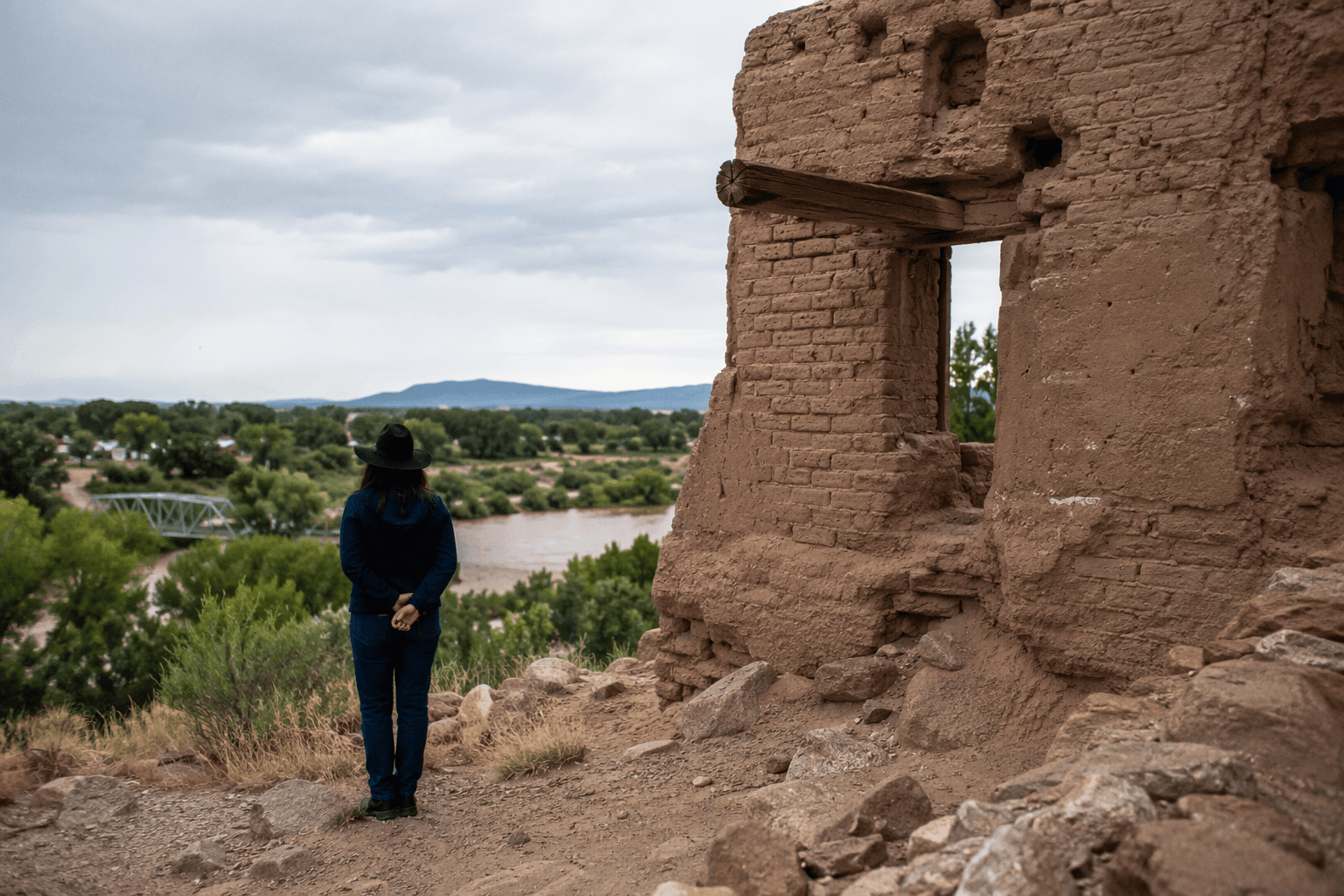
Valencia County’s past is not locked inside one museum or one downtown block. The Valencia County Historical Society’s museums-and-historical-sites page works like a countywide entry point, connecting residents to places in Belen, Los Lunas and the wider Rio Abajo network that preserve railroad, civic and family history.
A county history map, not a single stop
That network matters because Valencia County’s story is scattered across small institutions that can be easy to miss if you only look in one town. The historical society was formally organized in 1969, but it was conceived almost a decade earlier by local residents who wanted to document and preserve the Rio Abajo’s historical legacy and varied cultures. Its mission is direct: encourage and support appreciation, education and preservation of the diverse heritage of Valencia County.
That makes the society more than a custodian of artifacts. It is the organizer that helps turn separate sites into a usable circuit for researchers, students, families and visitors. If those places are hard to find, have uneven hours or sit outside the usual commuter routes, the county loses more than foot traffic. It loses access to family records, school field-trip material, and the civic memory that keeps local history visible.
Belen’s rail heritage at the Harvey House
One of the clearest anchors in that network is the Belen Harvey House Museum. The city of Belen describes it as a museum in Belen, and the museum itself identifies it as a branch of the Belen Public Library. The National Register nomination gives the property its historic name, Belen Harvey House, and also uses the common name Harvey House Civic Center, SF Railroad Reading Room, a reminder that the building carries both railroad and later civic history.
Its schedule is practical and limited in a way residents need to know before they make the drive. The museum is open Wednesday through Saturday from 12:00 noon to 5:00 pm, with last entry at 4:00 pm. The café is open Thursday through Saturday from 12:00 noon to 3:00 pm. That combination makes the site more than a display room: it is part library branch, part heritage stop and part lunch-hour destination.
For people trying to understand how Belen developed, that building is one of the county’s most visible links to the rail era. Its old and new functions sit in the same structure, which is exactly why preservation here is not abstract. If the site is overlooked, the county risks flattening a story that includes railroad labor, passenger travel, public memory and later community use.
Los Lunas as a second hub
The Los Lunas Museum of Heritage & Arts gives the county another distinct center of gravity. The Village of Los Lunas presents it as a public museum and community exhibit space, which matters in a county where local history is spread across municipal lines rather than consolidated in one institution. Its FAQ lists museum hours as Monday through Saturday from 10:00am to 5:00pm, with Sunday closed. Staff can be reached by text at 505-376-4022, a useful detail for anyone planning a visit around work schedules, school runs or genealogy questions.
Los Lunas adds a different layer than Belen. Where Belen foregrounds rail and civic use, Los Lunas reflects village identity, archival work and regional memory. That distinction matters because a countywide history route should not treat every site the same. The point is not simply to collect museum visits. It is to show how each town preserves a different part of the same county story.
For families tracking names, places and property histories, the Los Lunas museum is especially important because it offers a public point of contact rather than a closed archive. For educators and civic groups, its weekday and Saturday hours make it easier to plan a visit without leaving the county’s historical record accessible only to people with flexible schedules.
Why the historical society still drives the story
The historical society’s own work extends beyond static listings. On its publications page, it says its La Historia del Rio Abajo column has appeared in the Valencia County News-Bulletin since 1998, showing a sustained effort to keep local history in circulation rather than tucked away on a shelf. That is the kind of institutional continuity that often determines whether a county remembers itself in snippets or in a coherent public record.
The events page also shows how heritage work can be current, not just archival. The society is organizing a Route 66 exhibit at the Los Lunas Museum of Heritage & Arts from May 16 to July 11, 2026. The same listing notes that 2026 marks the 100th anniversary of Route 66, and that Los Lunas was part of the route from 1926 to 1937. Those dates give the county a specific frame for interpreting its place in one of the nation’s best-known road corridors.
That exhibit matters for a practical reason. Route 66 remains one of the easiest ways to connect local identity, tourism and preservation spending. A well-placed exhibit can bring visitors into a museum they might otherwise bypass and can help residents see that the county’s history is not just about older buildings, but about the roads, businesses and communities that grew around them.
How to use the countywide network
A sensible Valencia County history itinerary starts with the historical society’s museums-and-historical-sites page, then branches into Belen and Los Lunas. That approach keeps the county’s heritage landscape visible as a system rather than a series of isolated stops.
- Start in Belen if you want railroad history, a museum branch tied to the public library, and a site with a café built into the visit.
- Go to Los Lunas if you need broader community history, exhibit space, or a museum you can reach during weekday hours.
- Watch the historical society’s publications and events for long-running local history work, including La Historia del Rio Abajo and the Route 66 exhibit window in 2026.
The larger question for Valencia County is not whether these places exist. It is whether the county keeps them visible, usable and supported enough that residents can actually reach them. The historical society has built a framework that makes the county’s past discoverable; keeping that framework strong is what turns history from a memory project into a public asset.
This article was produced by Prism’s automated news system from verified source data, official records, and press releases, then run through automated quality and moderation checks before publishing. The system is built and supervised by the people who set the standards it runs under. Read our full AI policy.
Did this article answer your question?