Save-A-Lot deal falls through, McArthur still without grocery store
The Save-A-Lot plan for McArthur collapsed after the owner turned down public money, leaving Vinton County residents driving 30 minutes to an hour for groceries.
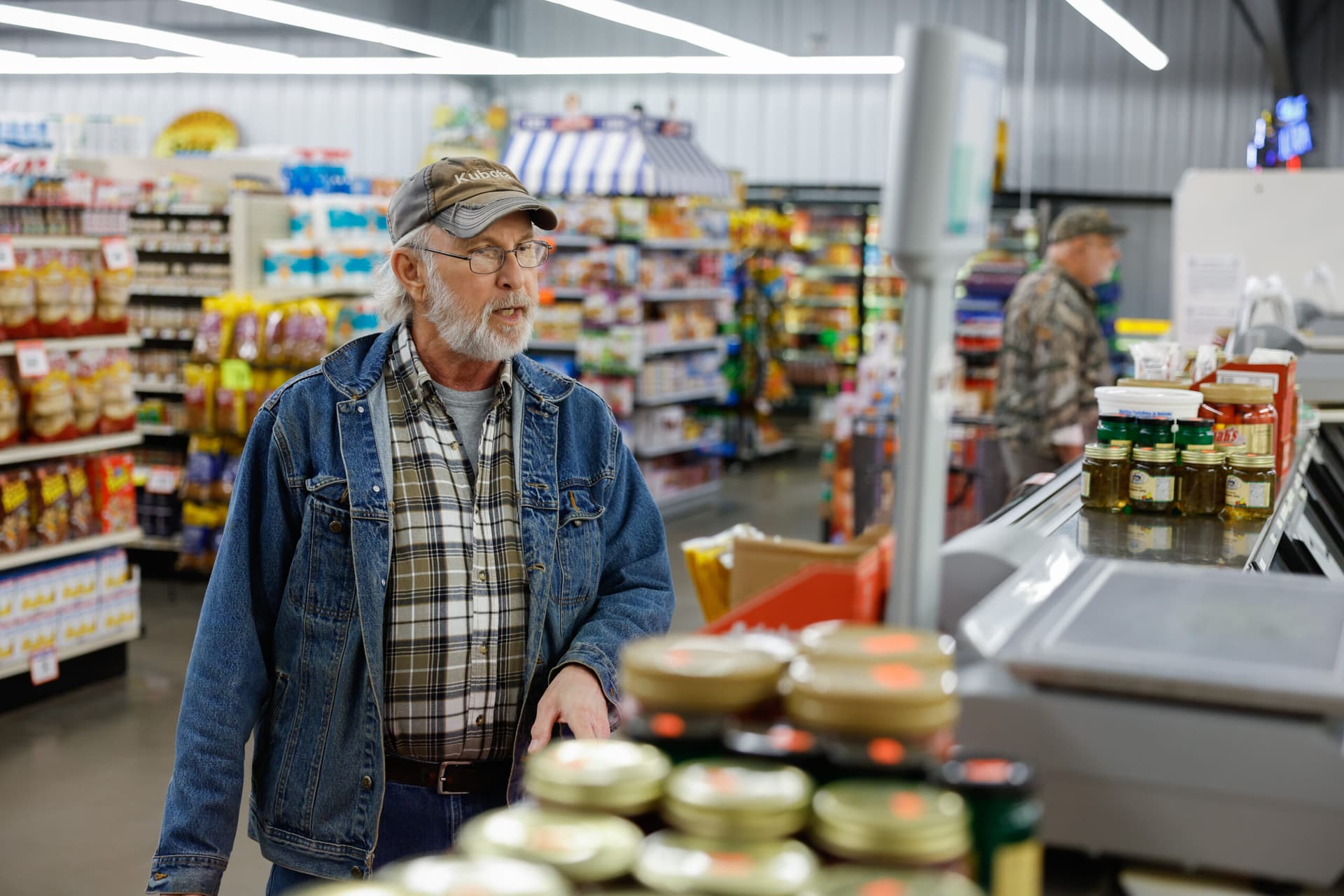
McArthur’s hoped-for Save-A-Lot is off the table after the store owner rejected government funds tied to building the grocery in the Vinton County seat, leaving the community without the proposed closer place to buy staples. For households that already have to plan around long trips for food, the deal’s collapse is more than a business setback.
In Vinton County, where about 13,200 people live, residents have been driving 30 minutes or more for food, and earlier reporting put the grocery run at an hour round-trip. That means more fuel costs, more time on the road and a harder trip for seniors, people without reliable transportation and families trying to stretch tight budgets.
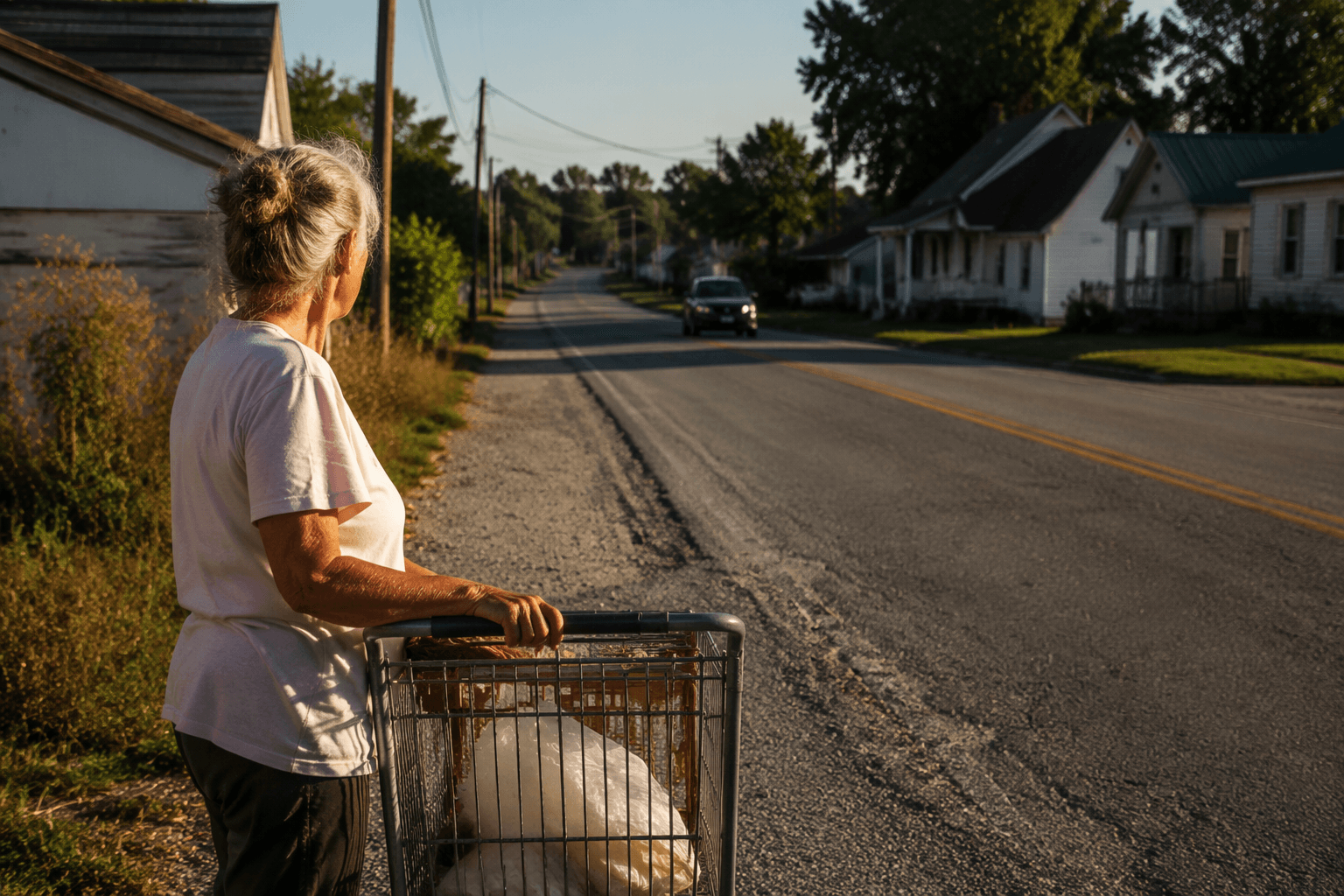
The loss of the McArthur project also pushes back the wider hopes that usually come with a grocery store announcement in a small Appalachian Ohio town. A supermarket can bring jobs, more traffic for nearby businesses and a sign that the village core is gaining momentum. When the deal falls apart, those expectations are delayed and county leaders have to start over with a different plan.
Vinton County has long been described as a food desert, and the county seat has repeatedly carried the weight of that label. Past plans for a full-service store raised hopes that McArthur would finally get a steadier grocery option, but the rejected funding leaves the town still waiting for a workable solution.
The next practical question is what local officials can do now. With the Save-A-Lot owner declining the public money already tied to the project, any replacement effort would need a new operator, a new agreement or a new financing structure before construction could begin. For now, McArthur and the rest of Vinton County remain stuck with long drives for basic food shopping.
This article was produced by Prism’s automated news system from verified source data, official records, and press releases, then run through automated quality and moderation checks before publishing. The system is built and supervised by the people who set the standards it runs under. Read our full AI policy.
Did this article answer your question?