Vinton County airport anchors tourism, business growth near McArthur
Vinton County’s airport does more than move planes. It supports tourism, emergency response, business logistics and the county’s ability to compete for growth.
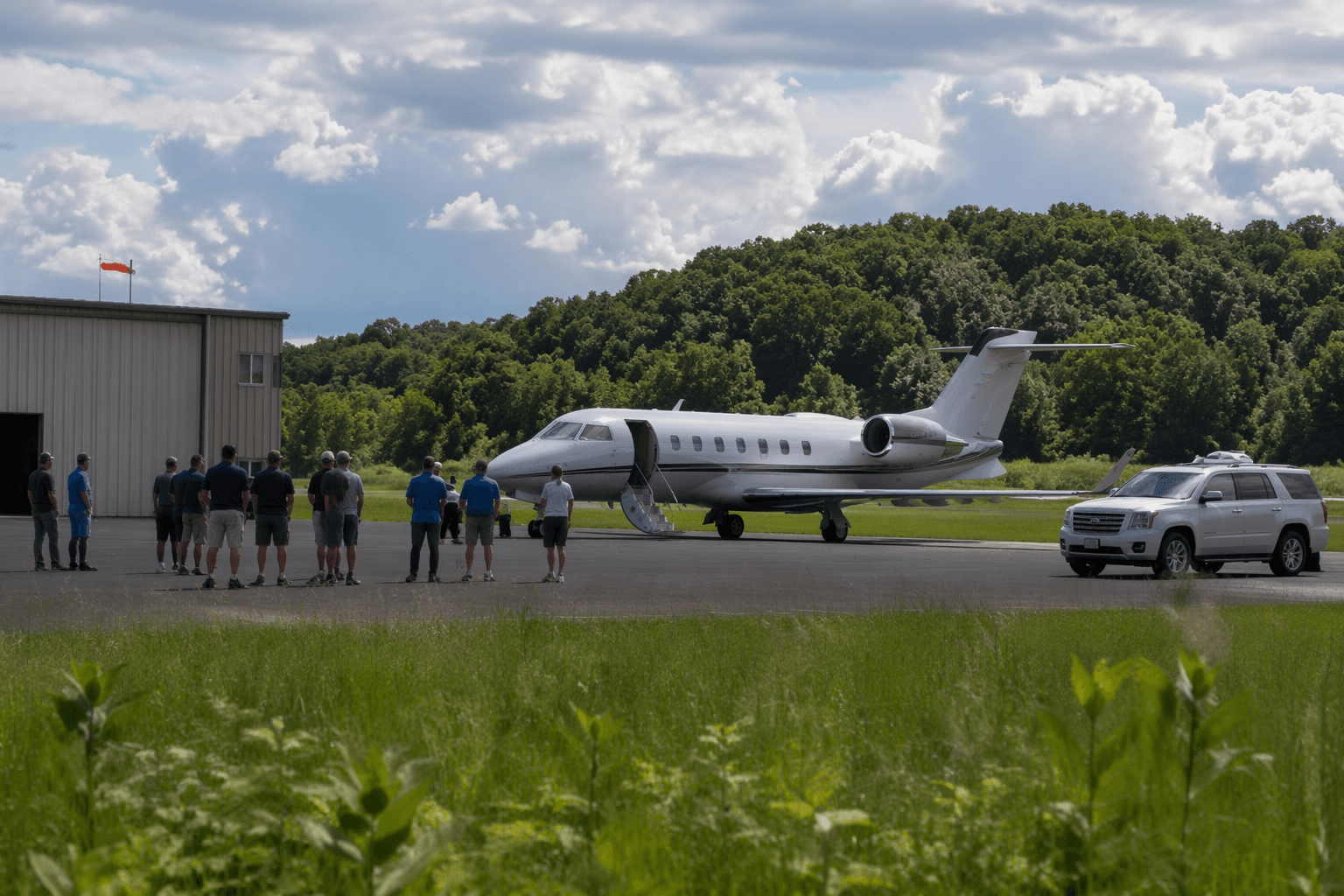
A small general aviation field five miles northeast of McArthur carries outsized weight in Vinton County’s economy. The airport has a 3,725-foot primary runway, a turn-around taxiway, avgas and maintenance services, and an on-site scenic air tour operation that ties it directly to the county’s visitor economy.
For county residents, the bigger question is not whether the airport looks busy on a given day. It is how much business, emergency access and recruiting power Vinton County would lose if the field were neglected or underfunded.
A county asset, not just a runway
Vinton County treats the airport as part of its development toolbox. On the county’s sites list, the airport appears alongside a 200-acre business park as a property available for immediate purchase or lease, which signals that local leaders see aviation infrastructure as a practical asset for growth, not a standalone convenience.
That matters in a rural county where a single transportation option can influence a company’s decision to locate, expand or keep parts of its operation close to home. The county says area businesses use the airport for air transportation needs and for shipment of parts and components, a reminder that even modest aviation access can help keep supply chains moving when time matters.
Who uses the airport today
The airport’s user base is broader than many residents may realize. Hocking Hills Scenic Air Tours operates on site, giving the field a direct tourism function and helping connect Vinton County to the Hocking Hills brand that already draws visitors to the region. County materials also say MedFlight and law enforcement use the airport as needed, which gives the airfield a public-safety role that becomes especially important in a rural setting.
That mix of users is what makes the airport more than a hobby field. It supports visitors, business travelers, service providers and emergency operations at the same time, which is exactly the kind of multi-use infrastructure counties struggle to replace once it is allowed to deteriorate.
Why the airport is tied to county competitiveness
Vinton County’s own development language makes clear that the airport is part of how the county markets itself to outside investment. A county that can offer a business park, a usable airport, and proximity to a tourism corridor has more to sell than one that can offer land alone.
The airport also helps shape first impressions. For prospective investors, visiting contractors and regional partners, a functioning airport can signal that the county is reachable, organized and serious about growth. That can influence decisions in ways that are hard to measure but easy to lose if the facility is not maintained.
In a county that leans on tourism, small business activity and rural service networks, airport access can be a quiet competitive advantage. It shortens travel time, supports shipment of components and gives Vinton County one more reason to stay on the shortlist when businesses compare places to operate.
The air show adds a public-facing economic boost
The airport’s strongest visible link to the broader community is the Vinton County Air Show. County tourism materials describe it as a major fundraiser for the airport, and the event draws visitors from across Ohio and surrounding states.
That matters because it turns a transportation asset into a destination. Instead of being known only to pilots, the airport becomes part of the county’s visitor economy, bringing people who spend money on food, fuel and local travel while reinforcing Vinton County’s place in the Hocking Hills region.

Local aviation history gives the air show even more meaning. Ohio Cooperative Living reported that the first Vinton County Air Show was held in 1969, before the airport formally opened, and that the runway near McArthur was built as part of Gov. James Rhodes’ push to build an airport in every county in Ohio. The same coverage said the Vinton County Pilots and Boosters Association has managed and maintained the airport since 1992, after the field had struggled and appeared at risk of closure in the early 1990s.
That history explains why the airport still carries a strong local identity. It survived because residents, boosters and county leaders treated it as worth saving, not because it could stand alone without help.
Maintenance and upgrades are part of the story
The county has continued to invest in the airport’s core infrastructure. It posted a bid on April 22, 2025 to rehabilitate Runway 9-27, and a later bid notice called for construction of a taxiway turnaround on the runway 27 end.
Those projects matter because airports are only as useful as their pavement, access and safety features. A runway rehabilitation can protect the field’s long-term function, while a taxiway turnaround improves how aircraft move on the ground and makes the site more usable for pilots and service operations.
The airport is also part of the Federal Aviation Administration’s National Plan of Integrated Airport Systems, which places it within the federally recognized network of public-use airports that can be eligible for Airport Improvement Program funding. For a county airport, that status is a practical signal that the field has value beyond local pride and can remain eligible for broader investment.
What residents stand to gain, and what they could lose
The airport’s value is easiest to understand in household terms. It supports jobs tied to tourism and maintenance, helps emergency aircraft reach the county when needed, gives local businesses a way to move people and parts faster, and strengthens the county’s case when it tries to attract new investment.
It also helps anchor the county’s identity inside a larger travel market. The Vinton County Convention & Visitors Bureau says the county is part of the Hocking Hills region and home to the second-largest state forest in Ohio, which means the airport sits near a destination economy already built around outdoor recreation and regional access.
Neglect would not just mean rough pavement or fewer flights. It would weaken one of the county’s few assets that can serve tourism, business logistics and public safety at the same time. In a place where every piece of infrastructure has to pull double duty, Vinton County Airport is one of the clearest examples of how a small field can shape the county’s future far beyond the runway.
A working airport with real local stakes
The airport is listed by FAA identifier 22I, owned by Vinton County and managed by Nick Rupert. AirNav also notes occasional deer and geese on or near the airport, a reminder that even a modest field requires ongoing attention to safety and operations.
That mix of ownership, upkeep and use is what gives the airport its staying power. It is not simply a place where planes land. It is a county-owned economic tool, a tourism gateway, an emergency asset and a reminder that rural competitiveness often depends on keeping small but strategic places working well.
This article was produced by Prism’s automated news system from verified source data, official records, and press releases, then run through automated quality and moderation checks before publishing. The system is built and supervised by the people who set the standards it runs under. Read our full AI policy.
Did this article answer your question?