35-Year-Old Arun Sandram Killed on I-40 East Near I-440 Interchange
A 35-year-old pedestrian, Arun K. Sandram, was struck and killed on I-40 East near the I-440/US-1 interchange, a reminder of traffic and pedestrian risks on the Beltline.
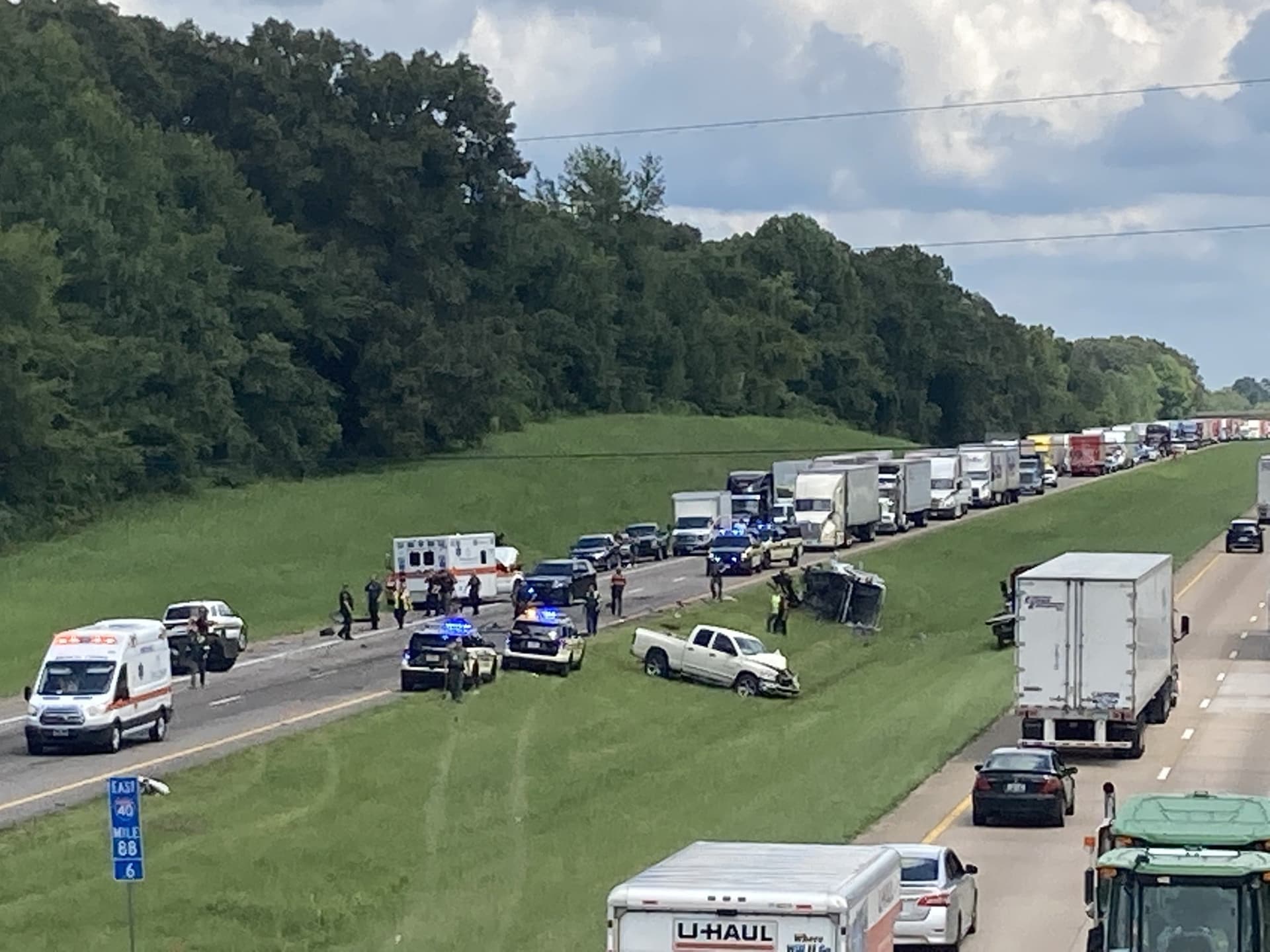
A pedestrian identified as 35-year-old Arun K. Sandram was killed after being struck by a vehicle on I-40 East near the I-440/US-1 interchange in Raleigh. The crash occurred late Sunday, Jan. 19, and emergency responders pronounced Sandram dead at the scene. Raleigh police said Sandram had been out of his vehicle when he was struck; the driver of the striking vehicle was not seriously injured. No charges had been filed while the investigation continued.
The location is one of Wake County’s busiest roadway junctions, where I-40 meets the Beltline and US-1. The interchange funnels commuter, truck and regional through-traffic and is a frequent site of congestion. Closures or slowdowns there often ripple across Raleigh and neighboring communities, affecting morning and evening commutes as well as freight and delivery routes that serve local businesses.
Police investigators spent hours at the scene collecting evidence and examining traffic camera and scene data to establish the sequence of events. Authorities did not provide details about why Sandram was out of his vehicle or whether weather, lighting or vehicle speed were factors. The absence of immediate charges indicates investigators are still determining fault and whether any traffic violations or criminal conduct occurred.
For Wake County residents, the crash underscores perennial safety questions about pedestrians on limited-access highways and how emergency response, roadway design and enforcement intersect. Walking or standing on an interstate creates obvious hazards; interchanges and ramps are not designed for pedestrian traffic. The event may prompt renewed attention from transportation planners and law enforcement about signage, shoulder access and enforcement in the Beltline corridor.
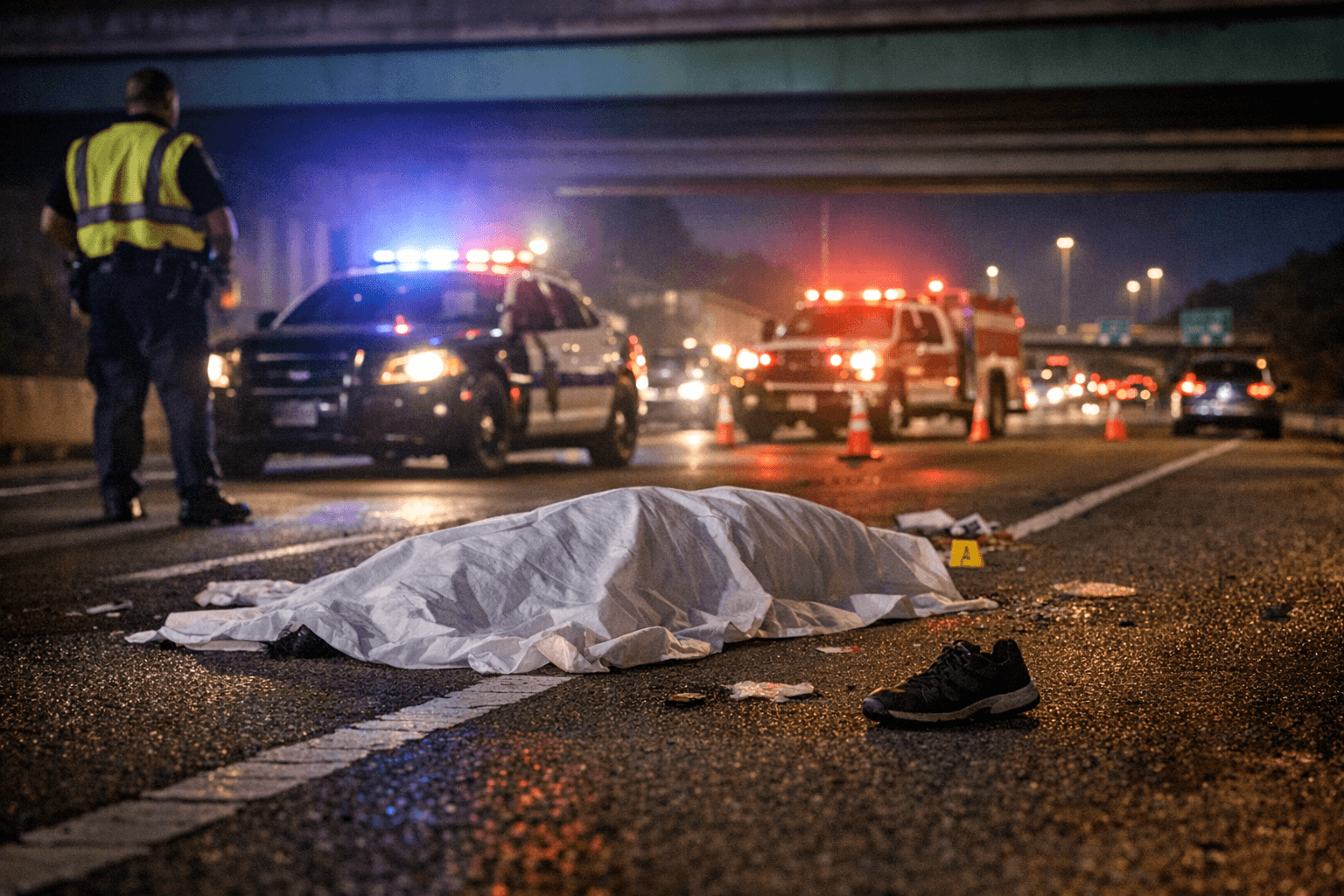
Local officials and transportation agencies typically review serious crashes to identify short-term fixes such as increased patrols or temporary barriers and longer-term engineering changes like redesigned ramps, improved lighting or signage. Any policy response will be shaped by the ongoing investigation and by data on whether similar incidents are clustered at this interchange.
This incident also has a human and economic dimension: fatal collisions impose direct medical and emergency costs and indirect costs through lost worker productivity and traffic disruption for businesses that rely on timely deliveries. How Wake County balances safety investments with traffic flow priorities will affect commuters, logistics operators and residents who live or work near the Beltline.
Raleigh police said the investigation remains active; readers should expect updates from authorities as they release more information. In the meantime, drivers and pedestrians should exercise extra caution around interchanges and report hazards to the North Carolina Department of Transportation or local law enforcement.
This article was produced by Prism’s automated news system from verified source data, official records, and press releases, then run through automated quality and moderation checks before publishing. The system is built and supervised by the people who set the standards it runs under. Read our full AI policy.
Did this article answer your question?