Adopting Dogs and Cats in Wake County: Where to Go, Costs, Tips
Wake County has two main adoption routes: SPCA of Wake County (appointments, VIP remote and Dress Rehearsals) and the Wake County Animal Center at 820 Beacon Lake Drive (open daily noon–6 p.m.); both have different rules that affect access.
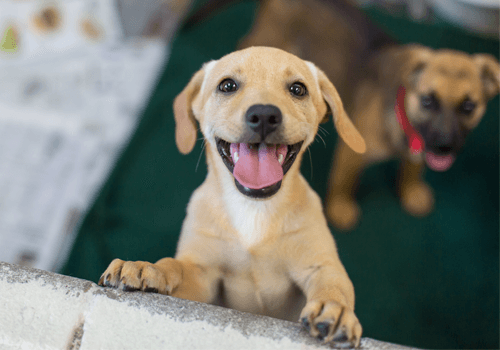
Wake County animal shelters and rescues remain an important local safety-net for pets, and many families in Raleigh, Cary, Apex, Wake Forest and surrounding towns consider adoption each year. The SPCA of Wake County and the Wake County Animal Center offer different pathways: the SPCA uses appointment windows, a VIP remote option and Dress Rehearsals for adult animals, while Wake County operates an in-person adoption center at 820 Beacon Lake Drive that is open every day from noon to 6 p.m.
1. SPCA of Wake County, how to find and reserve a pet
The SPCA publishes separate pages for adoptable animals, “Adopt A Dog,” “Adoptable Dogs,” “Adopt A Cat,” “Adoptable Cats,” and “Adopt A Small Pet”, and invites people to browse online or meet animals at its Pet Adoption Center. Before you can hold a pet, “But first, you will need to submit an Adoption Survey to put the pet on hold.” The SPCA offers appointment options “within a certain time period,” letting you “choose whether to meet in person or use our new VIP remote option,” so plan your interaction around an appointment slot.
2. SPCA appointment expectations and same-day pickup
The SPCA advises adopters to “be prepared to take the pet home the same day,” though it cautions that “some holds may be carried over to the next day depending on when the adoption process was started.” That means when you schedule an appointment (in-person or VIP remote) you should arrange transportation and any needed supplies in advance or be prepared to purchase them at the shelter retail store. The SPCA’s appointment-based workflow affects access for people who cannot commit to same-day pickup, check availability windows when you submit an Adoption Survey.
3. SPCA introductions, Dress Rehearsals and species rules
The SPCA will arrange controlled introductions for same-species animals: “We are glad to accommodate dog-to-dog introductions (and even guinea pig-to-guinea pig and bunny-to-bunny)!” To request an introduction, submit the Adoption Survey to hold the animal and tell an Adoption Specialist you want the pet introduction at your scheduled appointment. The SPCA is explicit: “Please note: We are not able to do cat-to-cat meetings or intros for pets of different species (such as a dog and a cat).” The SPCA also runs Dress Rehearsals: “Adult dogs and cats (1 year and older) are eligible for a program called Dress Rehearsals where you can bring the pet home as a temporary foster to try them out in your home prior to finalizing adoption.” (Details such as trial length and paperwork require confirmation from the SPCA.)
4. Wake County Animal Center, location, hours and browsing
“The adoption center at 820 Beacon Lake Drive in Raleigh is open every day from noon to 6 p.m. We invite you to come interact with our adoptable pets in-person.” Wake’s online Adoption Gallery “includes all animals that are available for adoption, as well as those on stray hold that may not be available for adoption,” so the gallery can show animals that are not yet adoptable while the stray-hold runs. Wake’s in-person hours and gallery approach mean walk-in visibility is practical during midday and afternoon hours.
5. Wake County rules on in-person pet meetings and minors
Wake is strict about on-site safety and predictability: “Can I bring my pet from home to meet pets at the adoption center? No. For everyone’s safety, pets on our adoption floor are not able to meet with privately owned animals.” Wake also restricts access by age: “The Wake County Animal Center restricts visitors under the age of 18 from entering the adoption floor, including those accompanied by an adult.” Those policies affect families who want to bring children or their current pets to introductions and influence how you plan a visit.
6. Compatibility, post-adoption help and unknowns at Wake
Wake cautions adopters about unpredictability: “How do I know if these pets will get along with my pets at home? […] You don’t. Even if we know that a pet has previously lived with or met other animals with no issues, we cannot predict how they will react to new pets in a new environment.” Wake offers follow-up support: “Not every pet will be a great match for every home and family, so if the adoption is not going well, please contact us, we are here to help.” Note: Wake’s site also states there are “two common reasons” an adopter might not be able to take a pet home immediately, but the two reasons were not included in the excerpt and should be confirmed with the center.
7. Spay/neuter and medical requirements (policy difference with access implications)
Wake’s policy on surgery is explicit: “Does a dog or cat have to be spayed or neutered before adoption? Yes.” and “Can my vet perform the surgery? No.” That indicates Wake requires animals to be altered before adoption and that the adopter’s own veterinarian cannot perform the required procedure. The SPCA excerpts do not state their spay/neuter workflow in the supplied text, so confirm whether SPCA performs surgeries before adoption or schedules them after, who performs them and what costs are covered. Differences in who performs surgery and when can be a significant barrier for adopters with limited time or transportation.
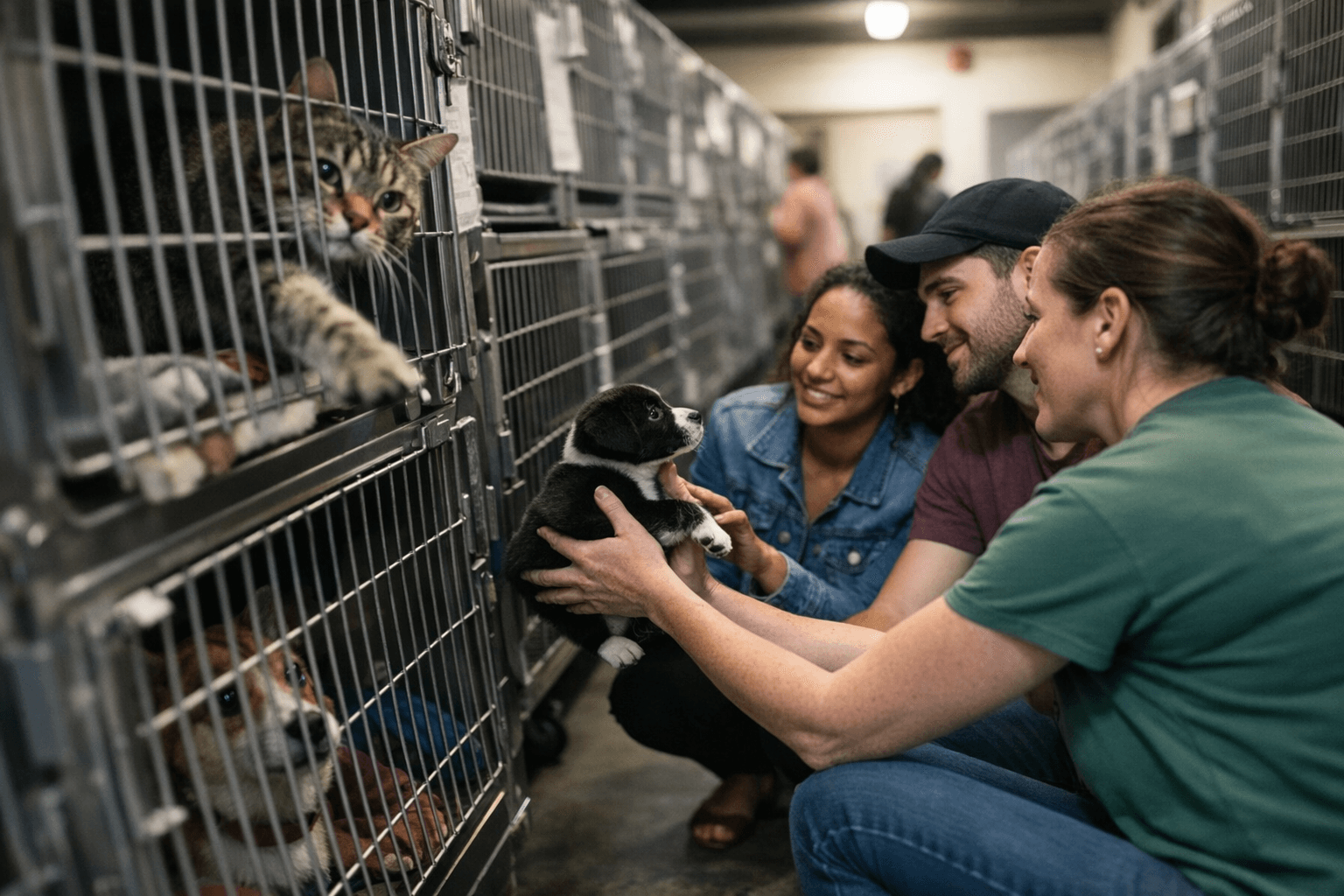
8. What you must bring and on-site payment rules (SPCA specifics)
The SPCA lists concrete requirements: “You will need to bring your government issued photo ID. All dogs must leave on a leash and martingale collar/harness, and all cats and small pets must leave in species-appropriate carriers (no cardboard boxes, please).” If you lack gear, “you can conveniently purchase them through the SPCA Retail Store at competitive prices, where all proceeds go directly to help the SPCA’s life-saving mission.” Payment at SPCA: “The Retail Store accepts cash or cards for payment of adoption fees and other purchases (no checks).” Wake’s payment methods and ID/transport requirements were not included in the excerpt and should be verified before you arrive.
9. Where the two organizations diverge, operational implications
Operationally, the SPCA emphasizes appointment-based access and offers virtual visits and trial fosters, while Wake runs a daily open adoption floor with strict on-site safety rules and a mandatory spay/neuter policy performed outside an adopter’s vet. These differences have practical consequences: appointment and remote options can expand reach to busy adopters but may exclude same-day walk-ins; Wake’s no-external-vet rule centralizes medical control but may create logistical burdens for adopters who expected to use a private clinic.
- exact adoption fee amounts and what’s included (vaccines, microchip, spay/neuter, county licensing),
- which payment methods are accepted at the adoption counter,
- whether checks are accepted anywhere, and
- whether any discounts or fee-waiver programs exist for seniors, active-duty military or low-income adopters.
10. Costs, transparency gaps and what to check before you go
Neither excerpt included adoption fee amounts or a fee breakdown (vaccines, microchip, spay/neuter, licensing). Missing fee transparency is material: adoption costs and what they cover directly affect low-income households and policy debates about accessibility. Before you visit, confirm these items with each organization:
11. Quick practical checklist for adoption day
1. Browse animals online via the SPCA adoptable pages or Wake’s Adoption Gallery and note animal IDs.
2. Submit an SPCA Adoption Survey to put a pet on hold or check Wake’s gallery for stray-hold status.
3. Schedule an SPCA appointment (in-person or VIP remote) or plan your visit to Wake between noon–6 p.m. at 820 Beacon Lake Drive.
4. If adopting from SPCA, expect to take the pet home same day when possible and bring a government-issued photo ID.
5. Bring or buy transport: dogs must leave on a leash and martingale collar/harness, cats and small pets in species-appropriate carriers (no cardboard boxes).
6. Confirm spay/neuter and medical timing with the shelter, Wake requires animals be altered before adoption and “Can my vet perform the surgery? No.”
12. What reporters and officials should follow up on (transparency checklist)
The pages leave gaps that matter for public accountability and access: publish fee schedules and exactly what fees cover, clarify who performs required surgeries and when, spell out the SPCA VIP remote mechanics and Dress Rehearsal terms, list the “two common reasons” Wake sometimes delays outgoing adoptions, and disclose whether shelters accept checks or offer fee assistance. Clear, published answers to these items would help residents across Raleigh, Cary, Apex and Wake Forest make timely, informed decisions.
Conclusion Adopting in Wake County is a viable option through two systems with different operational models: SPCA’s appointment and trial-foster emphasis, and Wake County Animal Center’s daily open adoption floor at 820 Beacon Lake Drive with strict safety and medical rules. The policy differences, spay/neuter workflows, age and pet-meeting restrictions, and the absence of published fee details, have direct consequences for who can adopt and how quickly. For adoption to remain an equitable safety-net for Wake County families, shelters should make fees, timelines and medical procedures transparent and consistent across institutions.
Know something we missed? Have a correction or additional information?
Submit a Tip