Apex police use license plate readers to arrest three in theft case
A plate-reader alert in Apex led to three arrests from one car, putting a new spotlight on where the cameras are and how long the data can stay.
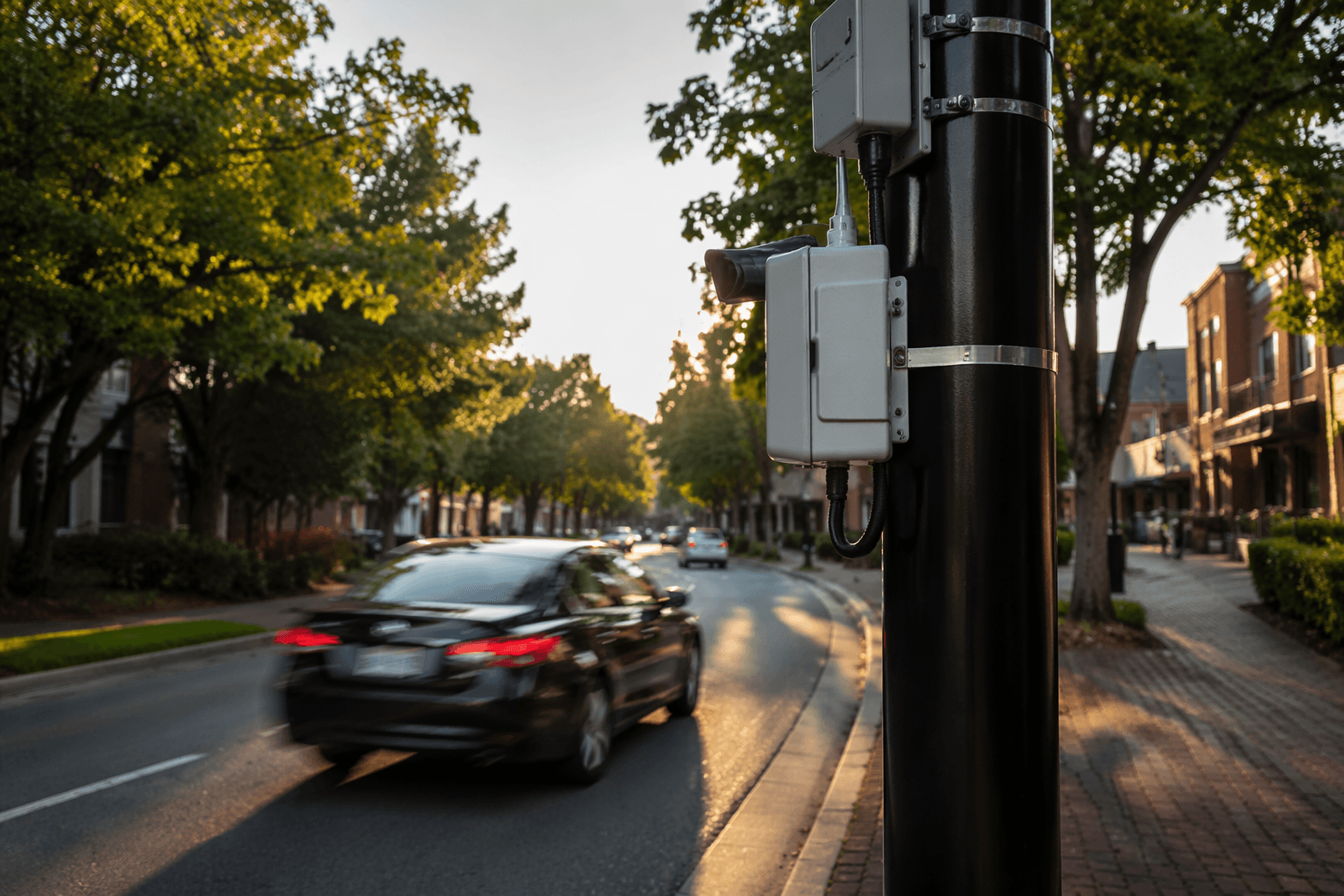
License plate reader alerts led Apex police to stop a car Wednesday night and arrest three people on charges including possession of stolen property and a habitual larceny charge from Pitt County. The department said the system flagged a plate tied to criminal activity, turning a routine traffic encounter into a property-crime arrest.
The case shows how quickly automatic license plate readers can change day-to-day policing in Apex and across Wake County. The cameras are used to compare passing plates against law-enforcement hot lists, which can include stolen vehicles, missing persons and felony warrants. In practical terms, that means a car can be identified before a stop escalates, and officers can move in with a clearer sense of who they are dealing with.
Apex police have already credited the same technology in another arrest this spring. In April, the department said license plate readers helped locate and arrest Brian Cruz in a secret-peeping case at Kohl’s in Apex, where allegations also included inappropriate photographs of the victim. That earlier case, paired with Wednesday night’s arrests, shows how the department is using the readers for more than just vehicle thefts.
Supporters in the community see that as a safety benefit. Apex resident Maggie Turnbull said police officers need help and that the cameras let law enforcement know who they are stopping. But the technology has drawn pushback from the ACLU of North Carolina, which has warned that automated readers do more than search for suspects because they also track the movements of ordinary drivers.
State law puts a legal framework around that debate. North Carolina General Statute 20-183.31 requires any state or local law enforcement agency using an automatic license plate reader system to adopt a written policy before the system becomes operational. The policy has to address the databases used for comparisons, data retention, sharing with other agencies and operator training. Another state law, 20-183.32, says captured plate data obtained for law-enforcement purposes cannot be preserved for more than 90 days after it is captured.
The Apex Police Department says its general orders are available through its policy portal under North Carolina public records law. In a town where residents want faster answers on theft and break-ins, the readers are becoming a more visible part of street-level policing, with a built-in tradeoff between quick arrests and the reach of routine surveillance.
This article was produced by Prism’s automated news system from verified source data, official records, and press releases, then run through automated quality and moderation checks before publishing. The system is built and supervised by the people who set the standards it runs under. Read our full AI policy.
Know something we missed? Have a correction or additional information?
Submit a Tip