Raleigh warns 100-plus homeowners for water restriction violations
Raleigh warned more than 100 homeowners in a week as Stage 1 water rules tightened, with sprinkler and irrigation violations driving 639 recorded cases.
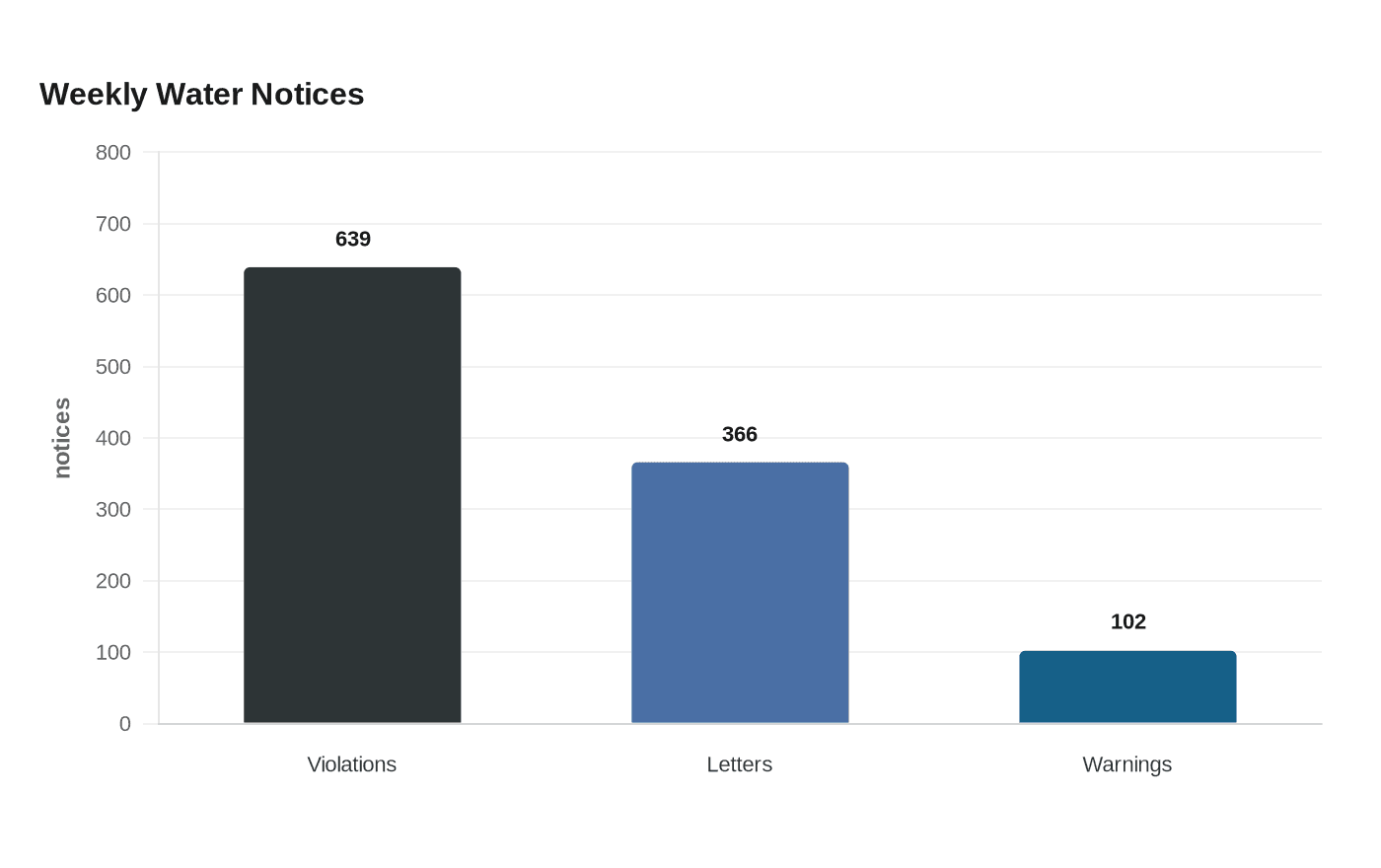
Raleigh warned more than 100 homeowners last week for violating Stage 1 water restrictions, a sign that the city’s summer conservation campaign has moved well past reminders and into active enforcement. The notices came as Raleigh Water tracked 639 violations, 366 educational letters and 102 official warnings in the latest week, with officials using early-morning crews and irrigation records to identify problem properties.
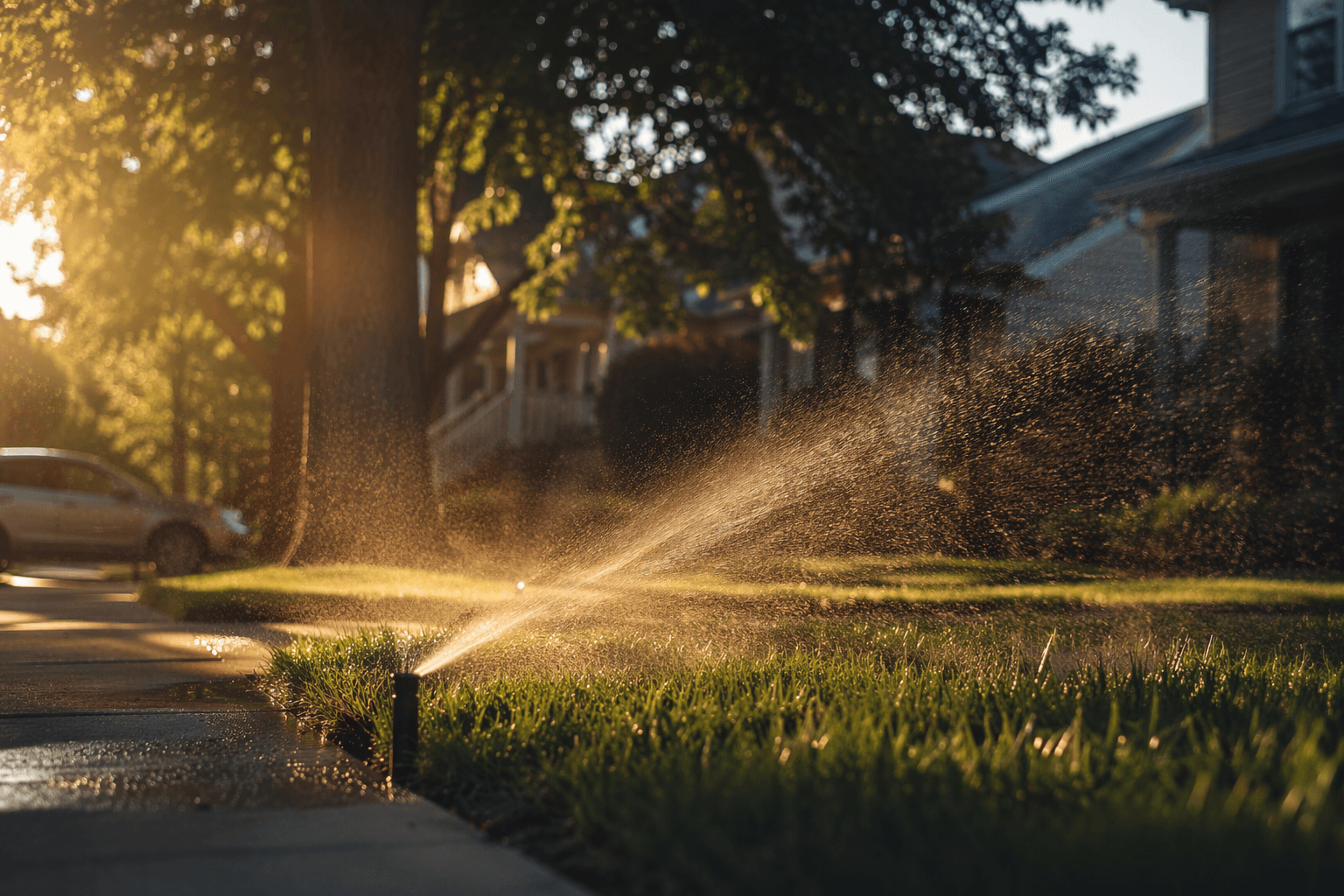
The rules that trigger those notices are specific. Since April 20, Stage 1 has allowed in-ground irrigation and hose-end sprinklers only during restricted windows, while handheld watering and drip irrigation remain allowed. Raleigh also tells residential customers to keep use to 65 gallons per capita per day as a best practice and to avoid wasting water, including spraying onto streets and other impervious surfaces.
That matters across a service area that reaches more than 650,000 people in Raleigh, Garner, Knightdale, Rolesville, Wake Forest, Wendell and Zebulon. For homeowners, that means lawn care is no longer just a matter of convenience or appearance. Running sprinklers outside the approved hours, letting water hit pavement or using irrigation when the city has restricted it can bring direct attention from Raleigh Water.
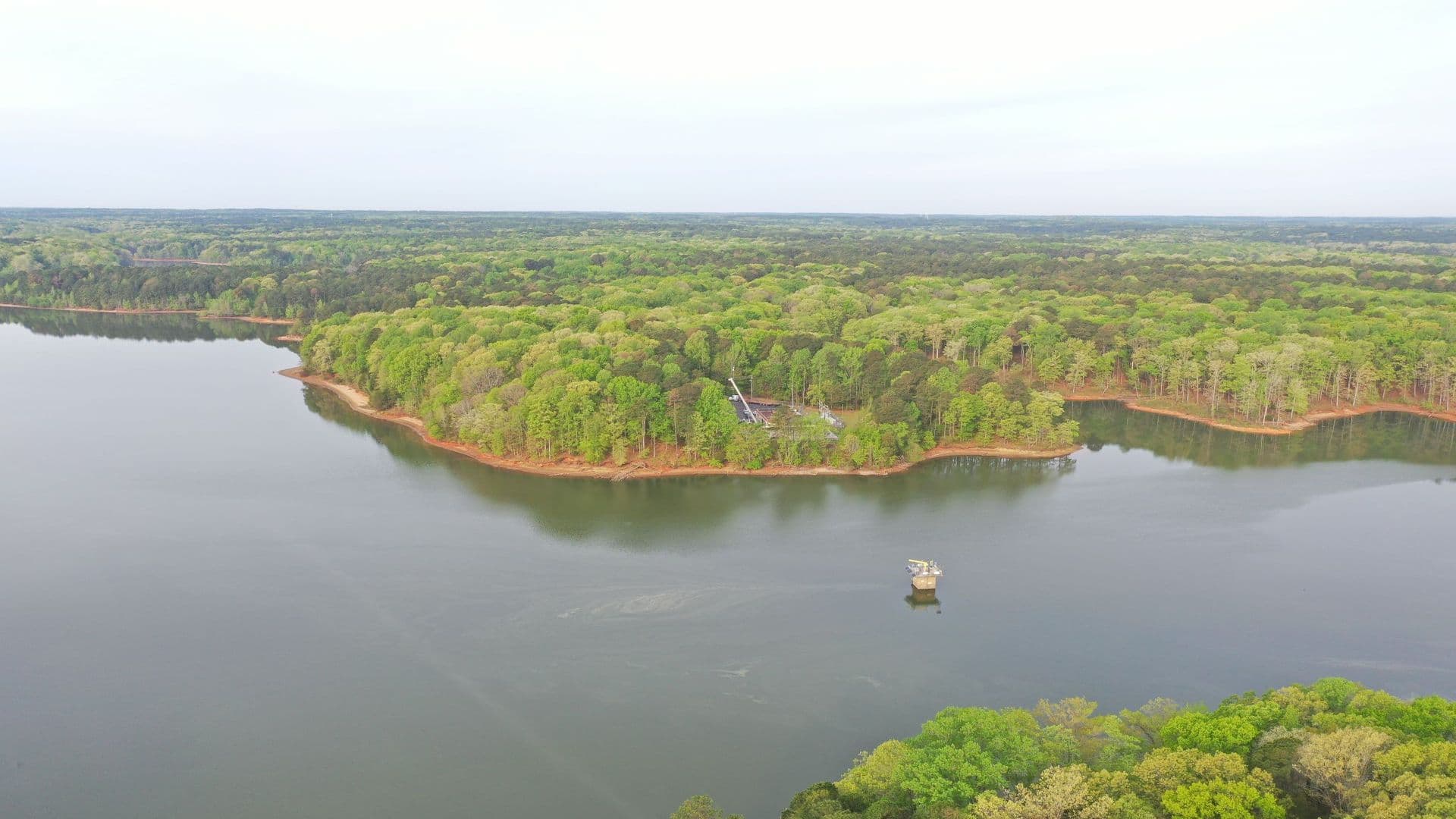
The city’s push has intensified as demand has risen. In mid-June, officials said average daily water use had climbed above 76 million gallons, more than 10 million gallons higher than the previous week, while Falls Lake sat at 69% capacity. By June 24, the lake had fallen to 64%, down from 66% the week before, underscoring how quickly the system is being drawn down.
Ed Buchan, a Raleigh Water assistant director, said the drought is especially hard because it began in winter and spring, when reservoirs and groundwater normally refill. WUNC reported that Falls Lake levels had dropped steadily since August 2025, from about 253 feet to about 245 feet. Officials have also said the last comparable drop in the lake came during the 2007-2008 drought.
Conservation has already made a measurable difference. Earlier this spring, Raleigh officials said water use dropped by 35 million gallons in a week after residents cut back. The North Carolina Drought Management Advisory Council said June 23 that parts of the state were in D4 exceptional drought and urged water users to follow their Water Shortage Response Plans, putting Raleigh’s warnings in the middle of a wider regional strain on supply.
This article was produced by Prism’s automated news system from verified source data, official records, and press releases, then run through automated quality and moderation checks before publishing. The system is built and supervised by the people who set the standards it runs under. Read our full AI policy.
Know something we missed? Have a correction or additional information?
Submit a Tip