Cary roundup shows community arts, small business and recycling
A community newsletter distributed December 26 highlighted local business feedback, seasonal theater performances, and Wake County tree recycling options, offering practical information residents can act on now. The items matter because they connect cultural life to community health, environmental stewardship, and support for local economy.
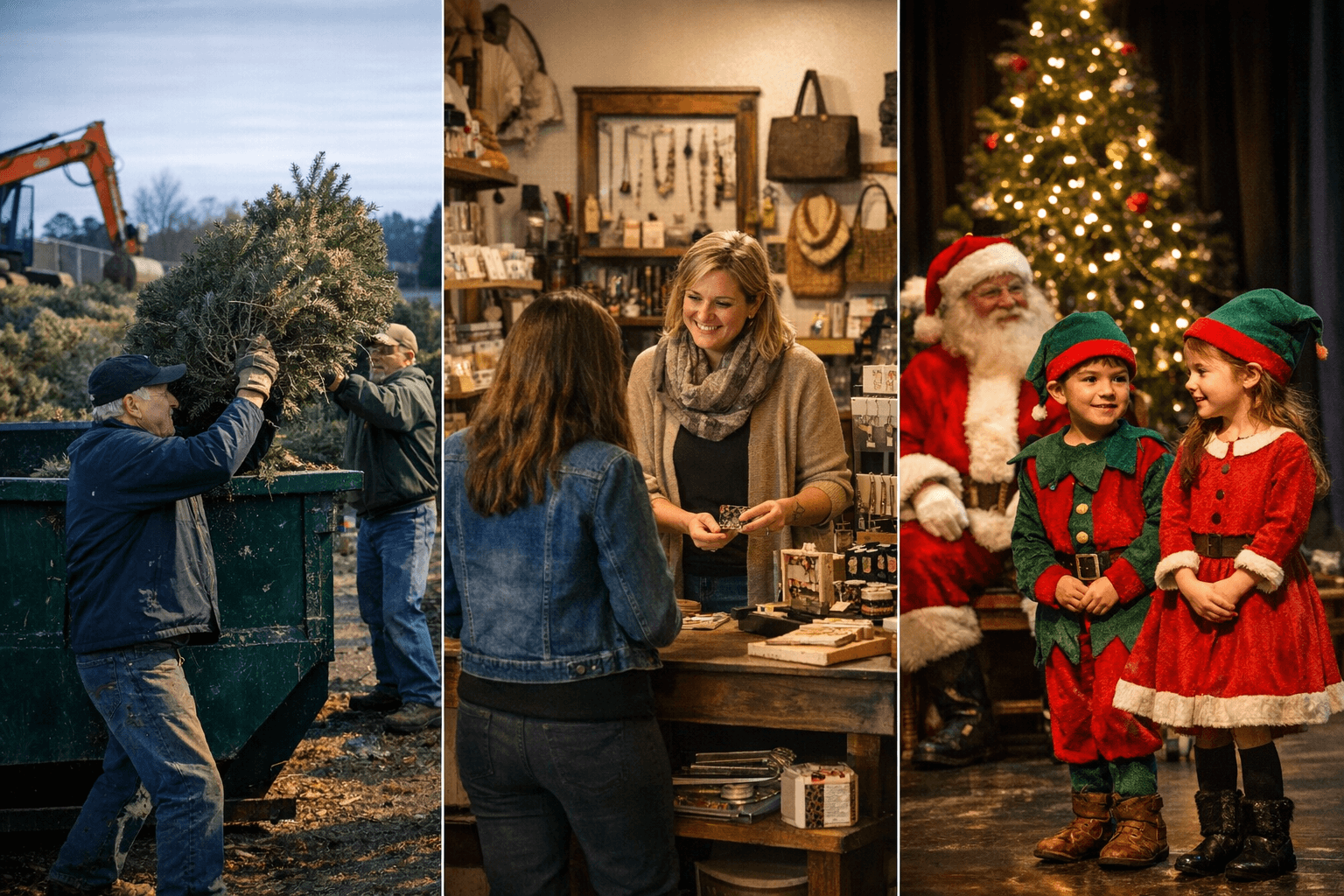
On December 26 Cary residents received a compact roundup of community news that emphasized three practical areas for holiday cleanup, local culture, and small business vitality. The most immediately actionable item guided residents to Wake County Happy Trails drop off locations for Christmas tree recycling, with dates and locations provided for convenient community disposal. Proper tree recycling keeps large organic waste out of landfills, reduces fire risk at private properties, and returns mulch for parks and trails, creating direct environmental and public health benefits for neighborhoods across the county.
The same newsletter offered a preview of Motown and Soul Christmas performances staged with Pure Life Theatre Company, signaling continued investment in local arts during the holiday season. Community theater provides social connectedness and mental health value for audiences and performers alike, and accessible performances can help bridge cultural inclusion gaps by bringing diverse music traditions to Cary stages.
Local commerce received attention through a review and reader poll about Crosstown Pub and Grill, where aggregated feedback highlighted patron preferences and the role dining venues play in neighborhood life. Reader driven evaluations can shape patronage patterns and influence small business resilience, which in turn affects local employment and street level economic health. For residents navigating cost of living pressures, sustaining nearby businesses supports walkable commerce and community cohesion.
An events roundup listed top picks for the week that included community runs, holiday performances, and local workshops, reinforcing opportunities for physical activity and civic participation during the holiday lull. Community runs and workshops provide low barrier ways for people to maintain physical and mental health, but access depends on transportation, scheduling, and cost. Local leaders and organizers can increase equity by continuing to offer sliding scale or free options, by locating events near public transit, and by publicizing accessibility features.
Taken together the items show how cultural programming, environmental services, and small business support intersect with public health and social equity. Clear information about recycling, events, and neighborhood commerce helps residents make safer, healthier choices and points to areas where public investment can widen access for all Wake County communities.
This article was produced by Prism’s automated news system from verified source data, official records, and press releases, then run through automated quality and moderation checks before publishing. The system is built and supervised by the people who set the standards it runs under. Read our full AI policy.
Did this article answer your question?