Duke Wins 49 32 at Wallace Wade, Community Health Questions
Duke defeated Wake Forest 49 to 32 on November 29, 2025 at Wallace Wade Stadium, building an early lead and sustaining pressure through the fourth quarter. The outing matters to Wake County residents because large rivalry games have ripple effects on local health services, traffic and community well being, and it highlights ongoing concerns about student athlete care and resource equity.
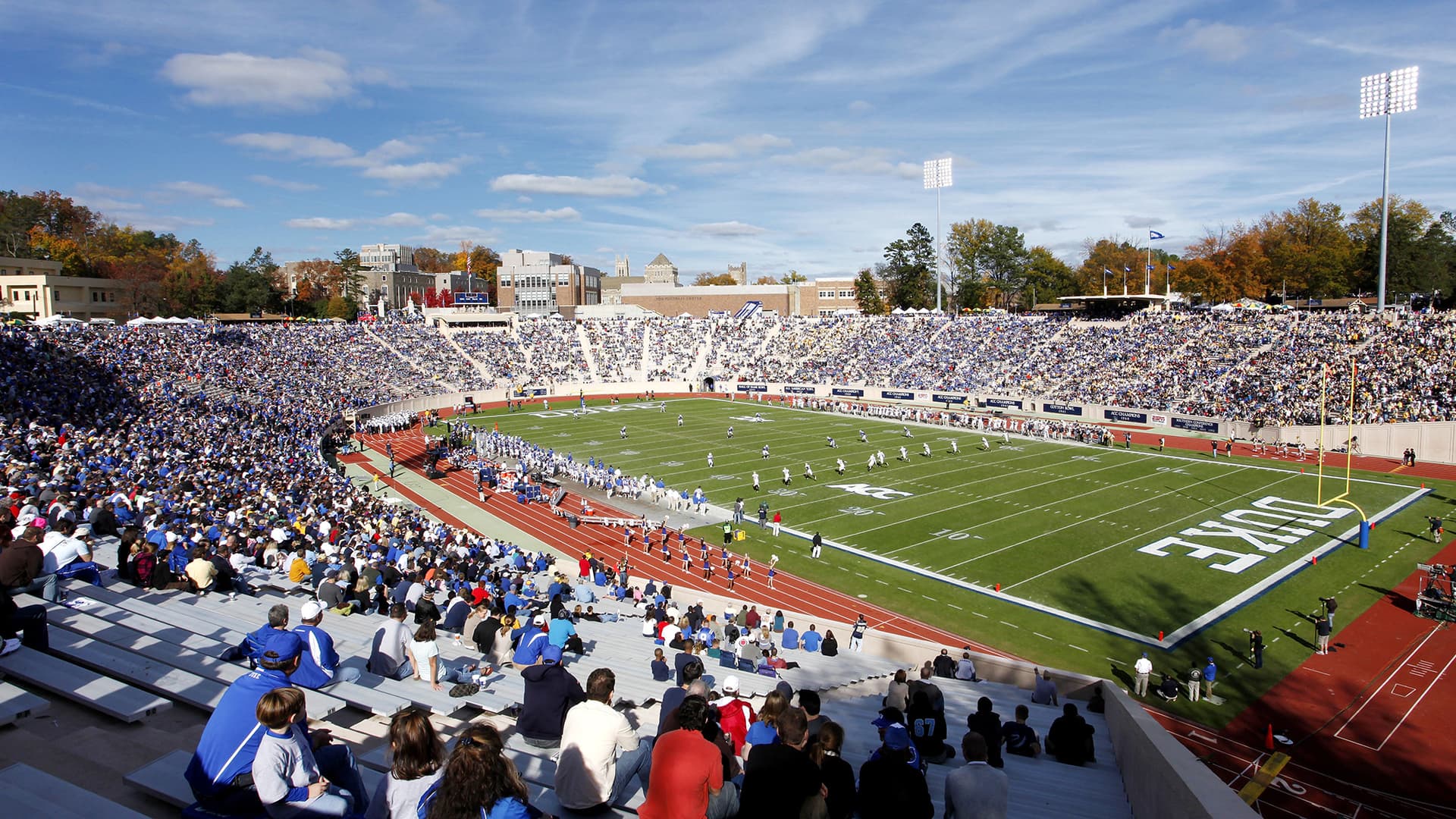
Duke beat Wake Forest 49 to 32 in an Atlantic Coast Conference matchup at Wallace Wade Stadium on November 29, 2025. Duke built a lead early and continued to press through the fourth quarter, finishing with a 49 point output while Wake Forest mounted scoring drives including a late 83 yard touchdown but could not overcome Duke’s balanced attack and momentum. For drive by drive details and individual statistics see the ESPN play by play and box score.
Beyond the scoreboard, the game produced immediate public health and community implications for Wake County. Large college football events concentrate tens of thousands of people in a small area and place predictable demands on emergency medical services, traffic management and nearby health providers. Local clinics and hospitals plan and staff for those surges, and residents who attended or worked the event may face delayed routine care because of stretched resources on game days.
The matchup also raises questions about athlete health and safety that extend beyond a single contest. High scoring games with heavy physical play remind the public and policymakers that concussion protocols, access to follow up care and long term medical support for student athletes remain essential priorities. The spotlight on a major regional game underscores differences in institutional resources and highlights the need for consistent standards that protect athletes regardless of where they play or live.

Economic and social benefits from the game are real for restaurants, transit services and local vendors, yet those gains can mask inequities. Residents who live near stadium corridors often shoulder the negative impacts of noise, traffic and increased enforcement without proportionate benefit. Planning that centers community health can help ensure game day operations provide safety, fair access and measurable local returns.
Wake County leaders, health officials and university administrators can use events like this to reassess emergency readiness, transport coordination and athlete health services. As the season closes, attention to these systemic issues can help translate the excitement of rivalry football into safer, healthier outcomes for everyone in the community.
This article was produced by Prism’s automated news system from verified source data, official records, and press releases, then run through automated quality and moderation checks before publishing. The system is built and supervised by the people who set the standards it runs under. Read our full AI policy.
Did this article answer your question?