FBI Warns Wake County of Rising Romance Scams Before Valentine's Day
FBI warns Wake County residents of rising romance scams ahead of Valentine's Day; watch red flags and report suspicious contacts to protect your money and privacy.
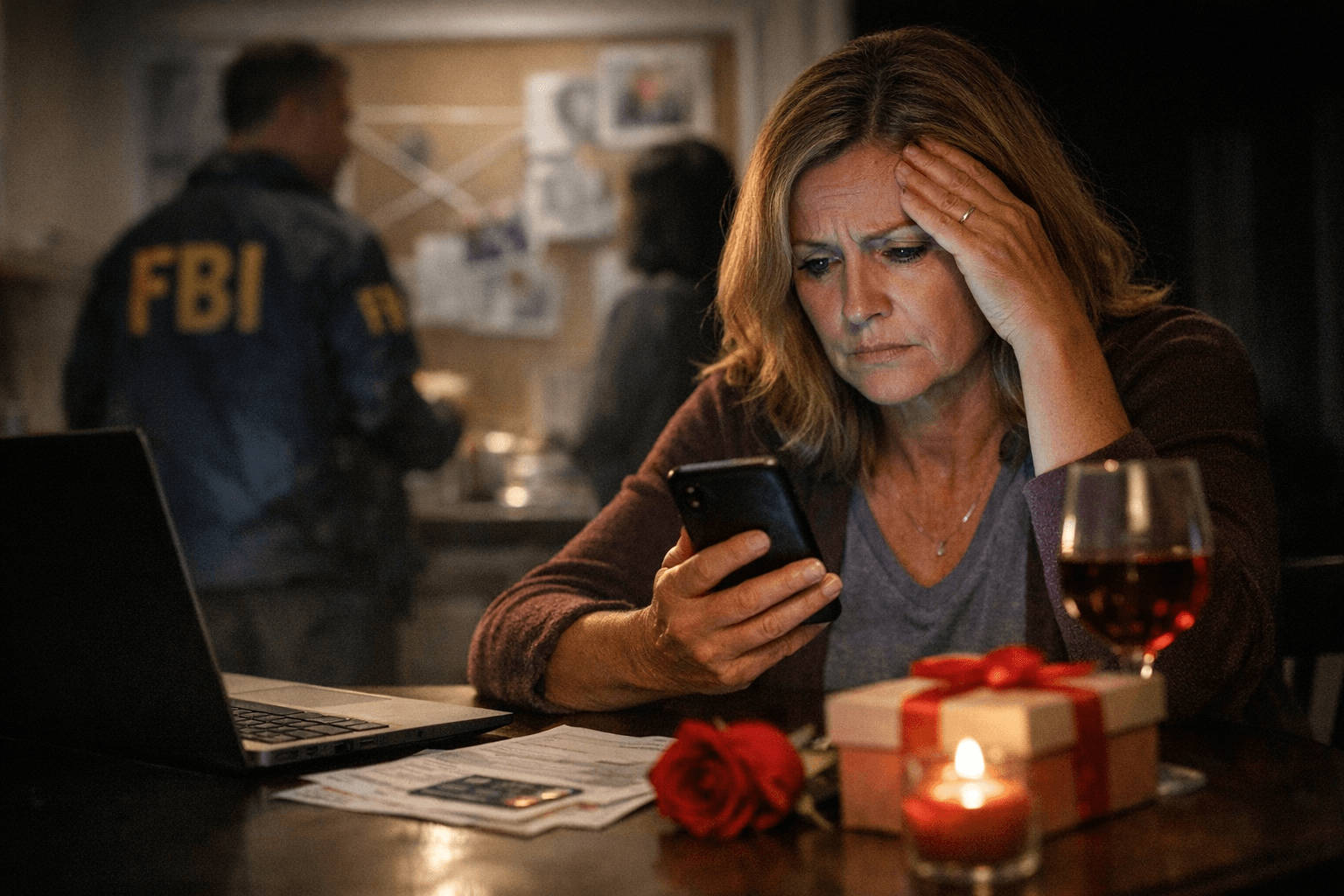
Romance scams spike around Valentine’s Day as fraudsters use dating apps, social media and increasingly sophisticated tools to build fake relationships and extract money, federal officials warn. The trend is already visible in national and regional complaint data, and Wake County residents are advised to be extra cautious.
The FBI San Francisco advisory highlighted a sharp increase in reported losses in its Northern California territory, more than $40 million in 2025 versus nearly $22 million in 2024, with complaints coming from 14 of the division’s 15 counties. Those figures underscore how widely the schemes can spread and how costly they can be. Nationally, reported romance-scam cases topped 65,000 in 2024, with the average victim losing more than $4,000, illustrating the broader scale of the problem.
“Romance scammers are master manipulators who exploit trust emotion and they are becoming more sophisticated by the day with the use of artificial intelligence,” Sanjay Virmani, Special Agent in Charge of the FBI’s San Francisco Division, said in the advisory. He added a clear rule of thumb: “If someone you've never met in person asks you for money, cryptocurrency or investment help, it is a red flag - no matter how convincing the story or connection may seem.”
FBI agents emphasize common tactics: scammers quickly try to move conversations off the dating platform to private channels, research targets’ interests on social media, cultivate emotional dependence over weeks or months, then request money or drive urgent financial demands. “This is where it upticks - it's usually during the holidays and obviously during Valentine's Day,” said Christopher Giordano, an FBI assistant special agent. “You get a suspicious DM, but you think it's just a regular person you know reaching out, wanting to be your friend.”
Local residents should watch for requests to send money, cryptocurrency or gifts, premature declarations of love, reluctance to meet in person, unsolicited messages and urgent financial pleas. Practical steps include keeping conversations on reputable platforms, consulting a trusted friend or family member before sending money, and stopping communication if contact turns to money or personal details.
If you suspect fraud, take action promptly. “We see how romance scams exploit trust, crossing borders to harm victims financially and emotionally. If you suspect fraud, cease contact and report it immediately,” said David R. Fitzgibbons, Special Agent in Charge of the FBI’s Birmingham Field Office. Immediate steps include stopping communication, contacting your bank if you sent funds, and reporting the incident to local law enforcement, your regional FBI office and the FBI’s Internet Crime Complaint Center (IC3). “They are really good at what they do,” FBI Assistant Special Agent in Charge Eugene Wu added, “Anyone can be a victim.”
Prompt reporting helps authorities track networks, hold offenders accountable and prevent others from becoming victims. For Wake County singles and those reconnecting online this Valentine’s Day, vigilance and quick reporting are the best defenses.
This article was produced by Prism’s automated news system from verified source data, official records, and press releases, then run through automated quality and moderation checks before publishing. The system is built and supervised by the people who set the standards it runs under. Read our full AI policy.
Did this article answer your question?