Federal Grant Brings $850,000 in Renovations to Raleigh Homeless Shelter
Second Street Place, Wake County's only county-run low-barrier shelter, will close for renovations after landing $850,000 in federal funds secured by Rep. Deborah Ross.
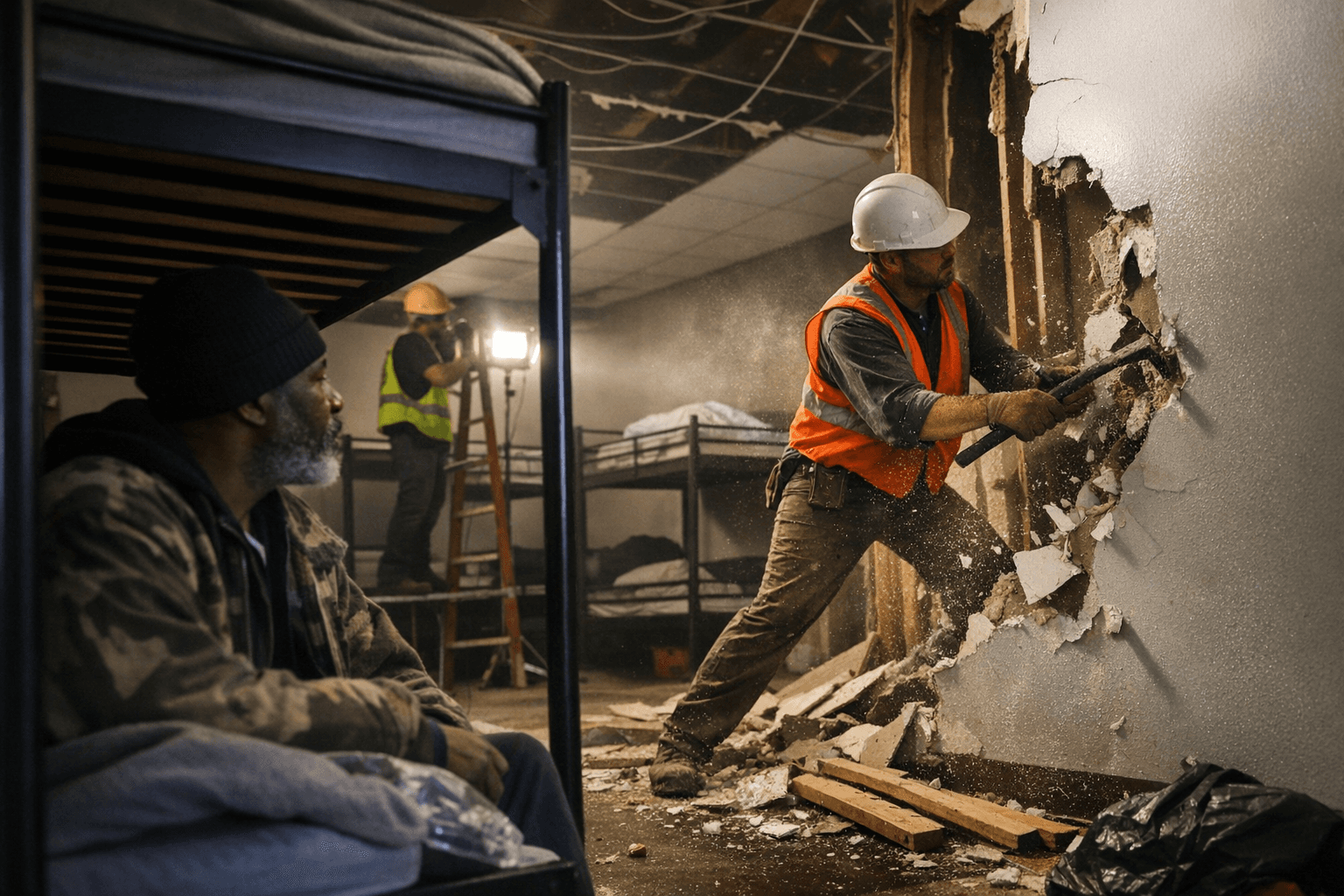
Second Street Place, the 98-bed shelter in downtown Raleigh that accepts residents regardless of sobriety status or criminal history, will undergo a federally funded overhaul after U.S. Rep. Deborah Ross announced $850,000 in renovation funding on March 13.
The grant is part of roughly $13 million Ross helped secure for 15 projects across Wake County, which she described as a broader response to rising housing costs and homelessness in the region. For Second Street Place, operated by The Bryant Center, the money means the first significant structural upgrades since the facility opened as Wake County's first county-operated low-barrier shelter.
Planned renovations include ADA-accessible bathrooms and showers, accessibility upgrades throughout the building, secure storage for personal belongings, and dedicated space for counseling and case management. Organizers say those last two additions are central to the shelter's mission: connecting guests with housing, employment, and behavioral health services that can move them toward permanent housing.
Vance Haywood, executive director of The Bryant Center, framed the investment in terms that went beyond construction. "These funds help transform a building into something more important — a place of stability, a space that is safe and a place that provides opportunity," Haywood said.
The shelter will close during renovations, with its 98 residents temporarily relocated to another facility. The specific site for that temporary relocation has not been disclosed. Second Street Place is expected to reopen in November.
The low-barrier model at Second Street Place sets it apart from many area shelters. Guests can enter without meeting sobriety requirements or passing background checks, a design choice intended to reach people who might otherwise remain on the street. Walter Slater, who has lived in Wake County for about a year, offered a street-level account of what that population faces. "There's a lot of mental illness out here," Slater said. "It really is, and it's sad."
Several details surrounding the grant remain unconfirmed, including the specific federal agency and program providing the $850,000, the renovation start date, and the name and capacity of the temporary relocation facility. The Bryant Center and Ross's office are the primary contacts for those outstanding questions.
This article was produced by Prism’s automated news system from verified source data, official records, and press releases, then run through automated quality and moderation checks before publishing. The system is built and supervised by the people who set the standards it runs under. Read our full AI policy.
Did this article answer your question?