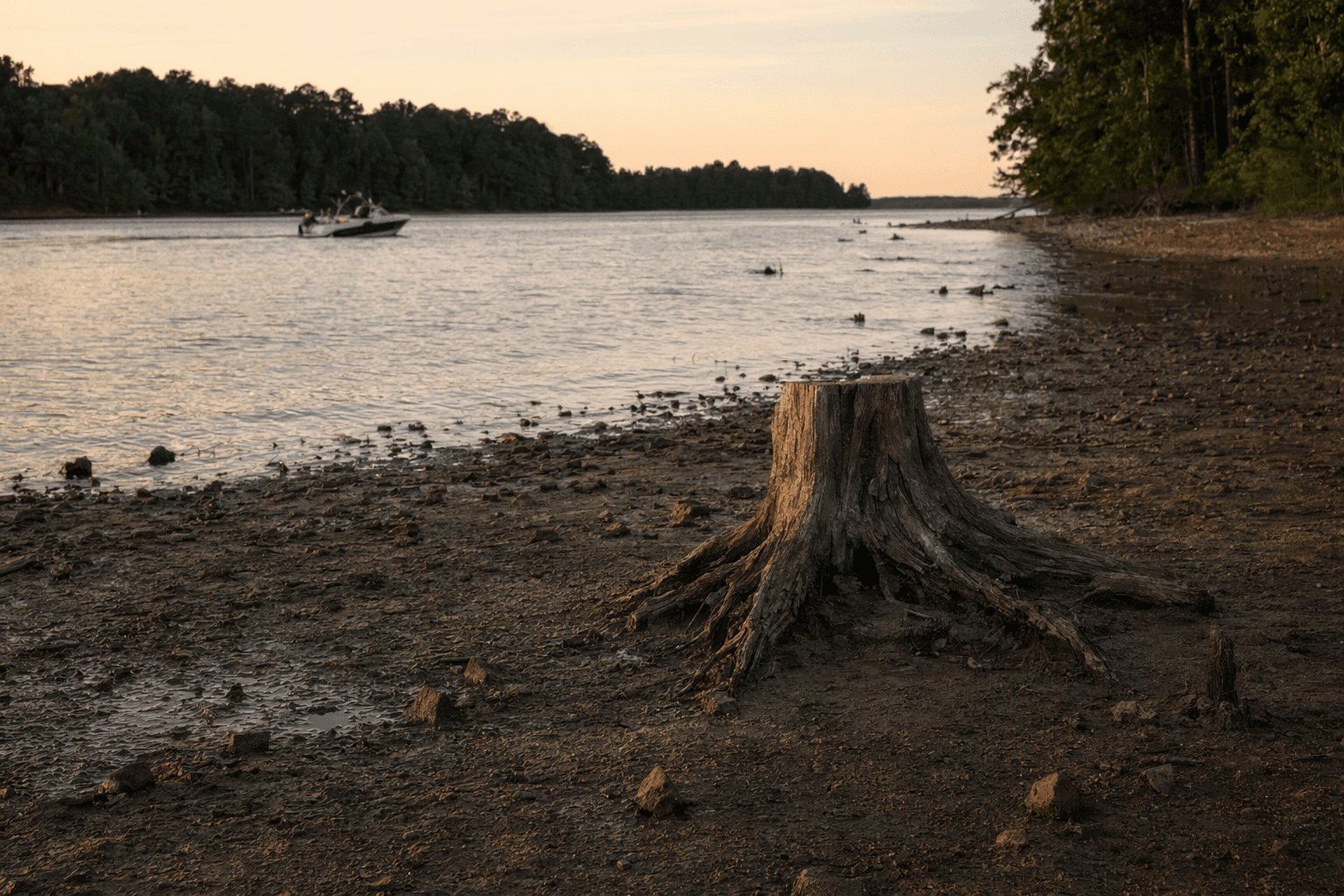
Five-Foot Shark Carcass Found Dumped on Wake Forest Roadside
A shark with a missing fin and removed entrails was found dumped on Ligon Mill Road in Wake Forest, prompting questions about illegal finning and who transported it inland.
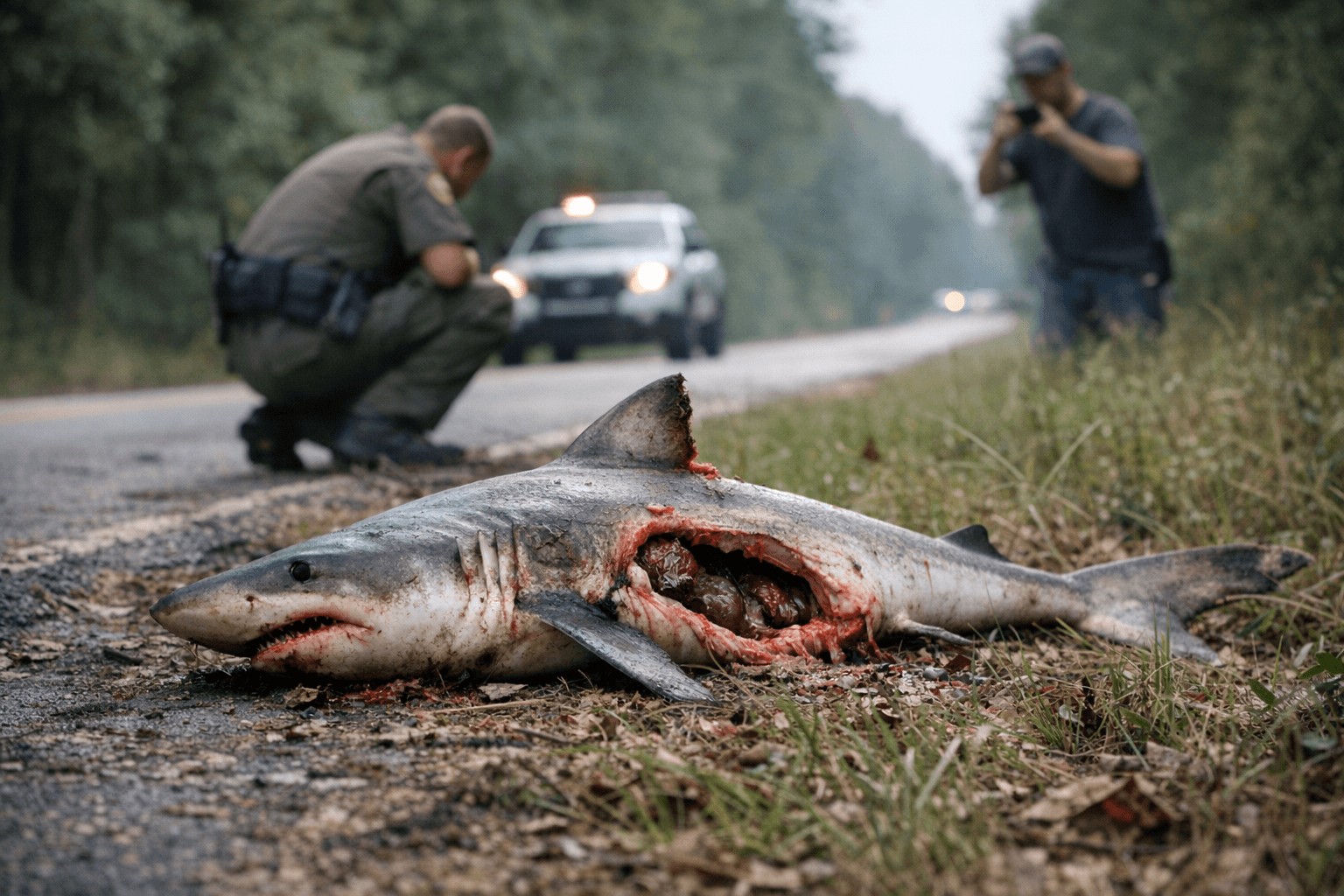
A five-foot shark carcass, its entrails removed and its fin conspicuously missing, was found discarded along Ligon Mill Road near Burlington Mills Road in Wake Forest on Sunday, March 29, raising immediate questions about illegal shark finning and how an ocean species ended up on a suburban North Carolina roadway.
Wake Forest Police Department received the initial call at 4:30 p.m. Sunday. Town spokesman Bill Crabtree confirmed officers were dispatched to the scene, and they in turn contacted the North Carolina Department of Transportation to handle removal. NCDOT crews picked up the carcass, and by Tuesday afternoon, March 31, it had been cleared from the roadside.
The shark did not stay a quiet local incident for long. On Monday morning, resident Glenn Telombila pulled over to record a video of the carcass and posted it online. Within hours, photos were circulating widely across social media platforms, with commenters zeroing in on two details: the gutted condition of the body and the absent fin. Many residents expressed disgust and called for marine or wildlife authorities to examine the remains for species identification and cause of death.
Those two physical details carry potential legal weight. Shark finning, the practice of slicing off a shark's fin and discarding the rest of the body, is illegal in U.S. waters under federal law and is linked to international wildlife trafficking. Whether the Wake Forest shark was finned before being transported and dumped, or lost its fin through other means, had not been confirmed as of Tuesday.
The dumping itself is also a criminal matter under state law. North Carolina General Statute 14-399 classifies a dead animal as litter, making roadside disposal a criminal offense. The baseline penalty for intentional littering of 15 pounds or less is a Class 3 misdemeanor, carrying a fine between $250 and $1,000 and up to 24 hours of community service. A five-foot shark far exceeds that weight threshold, placing potential charges in higher penalty tiers. North Carolina Department of Environmental Quality rules allow civil fines for illegal solid waste disposal to reach $15,000 per day per violation.
Wake Forest has no dedicated wildlife enforcement unit. Jurisdiction in a case involving ocean wildlife dumped inland would likely require coordination between Wake Forest Police, the NC Wildlife Resources Commission, and potentially federal marine authorities, depending on what any investigation determines.
As of Tuesday's removal, no state marine authority or wildlife commission had confirmed an active criminal investigation. If one opens, it would focus on the shark's species, the origin of the missing fin, and what route brought a saltwater animal more than 100 miles from the nearest coastline to a Wake Forest roadside.
Report similar incidents to the NC Wildlife Resources Commission enforcement line at 1-800-662-7137 or the public wildlife helpline at 1-866-318-2401. Document from a safe distance, record the time and exact location, and avoid contact with the remains, which can carry pathogens.
Know something we missed? Have a correction or additional information?
Submit a Tip