Heavy rain topples oak tree onto Wake County home
A large oak slammed into a Daycroft Court home as days of rain softened Wake County soil, leaving homeowners to sort out damage and insurance questions.
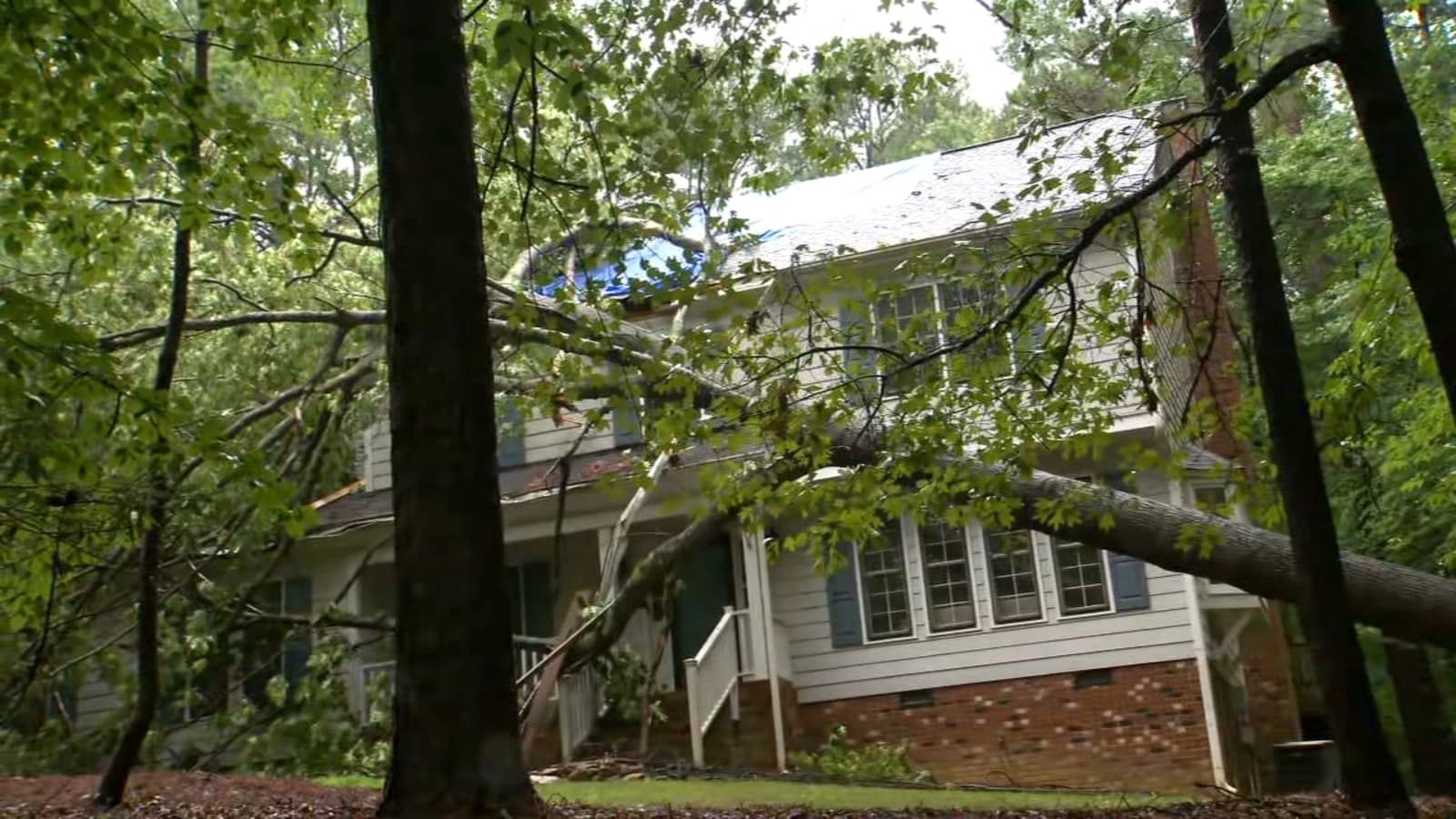
A large oak tree crashed into a home on Daycroft Court in northern Wake County during heavy rain Thursday, damaging the property. No injuries were mentioned in the coverage, but the strike added to a string of storm-related problems across the county.
The fall came as saturated ground made trees more likely to topple with little warning. Officials said days of rain had left the soil unable to firmly support some trees, and the Northern Wake Fire Department had recently responded after another tree fell onto a home. A companion report the same day said storms were waking homeowners to damage across Wake County, a reminder that the risk is no longer confined to one neighborhood or one bad hour of weather.
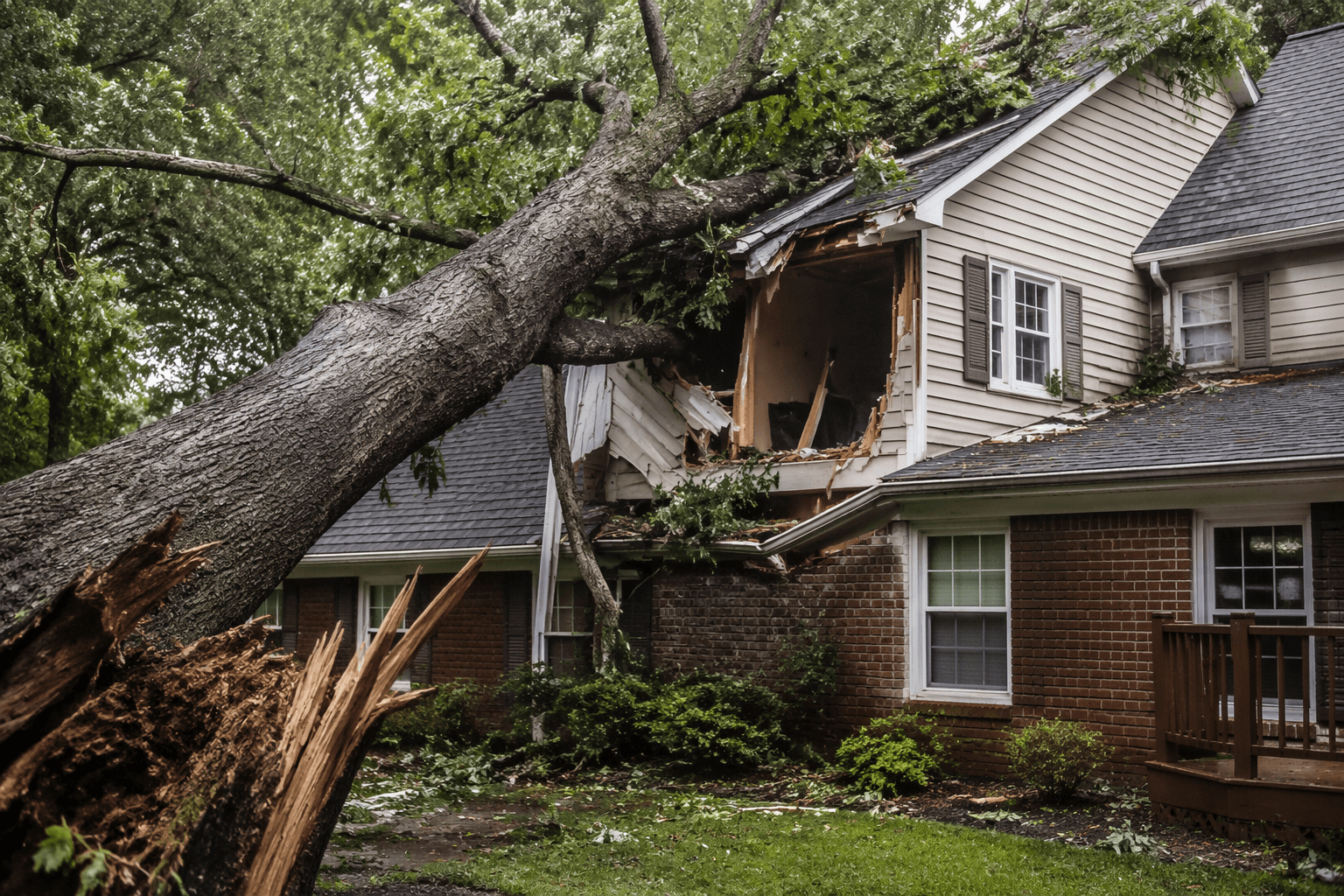
For homeowners, the first question after a tree hits a house is usually liability. In North Carolina, a healthy tree that falls in a storm generally leads to a claim on the homeowner’s own policy, with the deductible usually landing on the property owner. Liability shifts if a neighbor knew the tree was dead, diseased or dangerous before it fell, which is why maintenance records and prior warnings can matter after a roof strike.
Arborists and tree-care guidance point homeowners to warning signs that can signal higher risk before the next storm. Those include cracks or holes in the trunk, loose or dead bark, excessive sap flow, abnormal root growth, damaged root plates, fungal conks, a leaning tree and root plate lifting. In plain terms, a tree that has started moving, splitting or shedding structural clues is no longer just part of the landscape.
The latest Wake County storm damage underscores how quickly a soaked yard can turn into a structural problem for Raleigh, northern Wake and nearby neighborhoods. With more heavy rain pressing on aging trees, the practical question for many homeowners is not whether a tree can fall, but whether the warning signs were already there before it did.
This article was produced by Prism’s automated news system from verified source data, official records, and press releases, then run through automated quality and moderation checks before publishing. The system is built and supervised by the people who set the standards it runs under. Read our full AI policy.
Did this article answer your question?