Historic Oakwood offers winter walking, history and community
Historic Oakwood in Raleigh welcomes residents to a self guided winter walk that highlights cemetery monuments, Victorian houses, and a scenic axis linking to downtown landmarks. The route matters because it supports local businesses, promotes outdoor activity during cold months, and exposes gaps in accessibility and municipal maintenance that affect older adults and people with mobility needs.
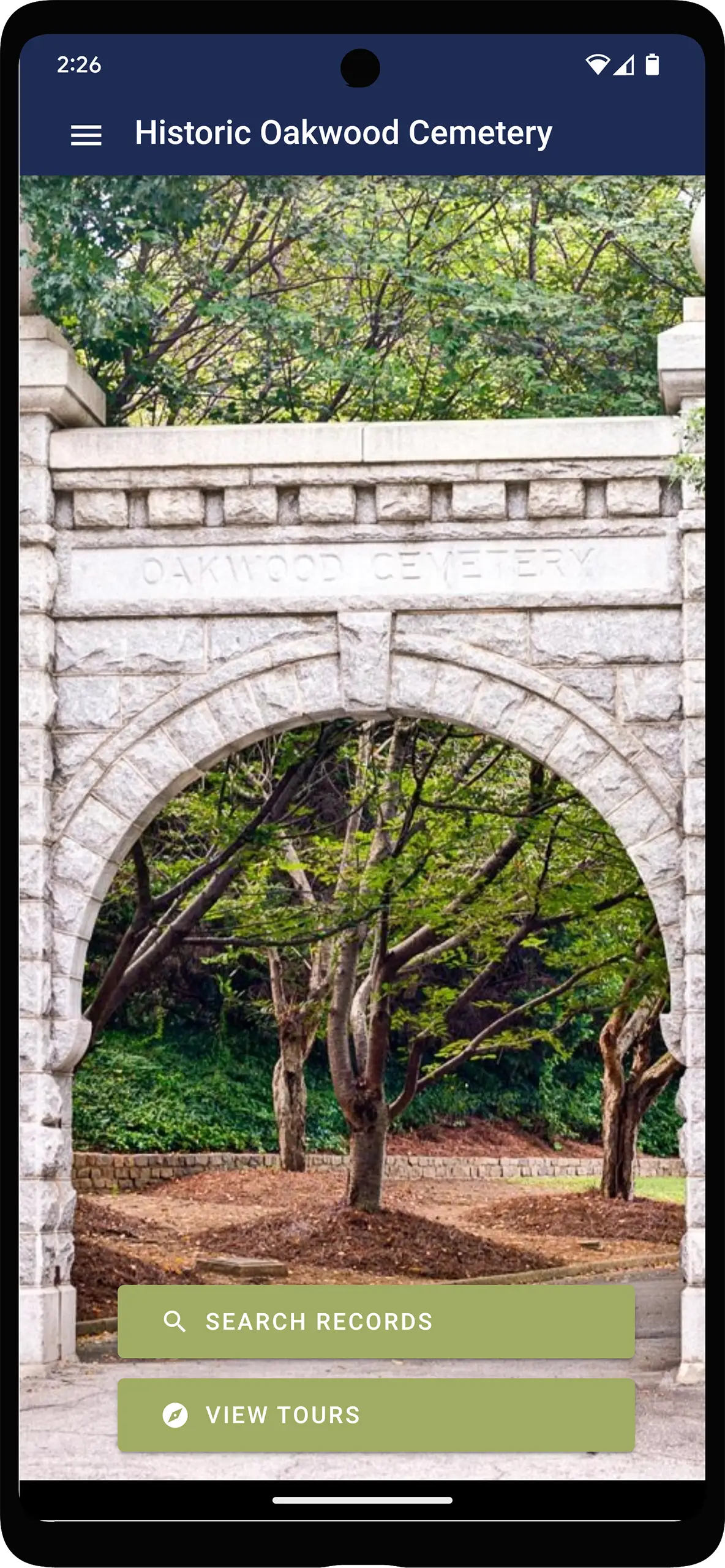
Historic Oakwood remains one of Raleigh's best preserved 19th and early 20th century neighborhoods, and it is a popular destination for year round walking. A self guided winter route begins at the Oakwood Cemetery entrance where noted monuments offer both history and quiet green space. Strolling along Oakwood Avenue and East Lenoir Street reveals restored gingerbread trim and period porches on Victorian houses, and the Mordecai Oakwood axis provides a direct pedestrian connection to downtown landmarks.
The walk is more than a tour. Nearby cafés and shops on Person and Glenwood avenues provide warm drinks and quick bites that sustain walkers and funnel business to local merchants during a typically slow season. Benches and accessible green spaces along the route offer rest stops for older adults and families. For residents seeking context while they walk, consult the Wake County historical marker database and the City of Raleigh historic resources pages for the texts of plaques to read at monuments and house markers.
Practical considerations matter for safety and equity. Wear sturdy shoes because a few sidewalks are uneven, and bring a small flashlight for evening strolls. Check municipal parking rules and downtown event schedules before you go, since special events can restrict parking and affect access for visitors who rely on curbside drop off. Uneven sidewalks and limited curb ramps create real barriers for people using mobility devices, strollers, and walkers. Those conditions point to the need for prioritized sidewalk repair and accessible route planning in municipal budgets and preservation efforts.

From a public health perspective, encouraging outdoor walking in winter supports cardiovascular health, social connection, and mental wellbeing, especially when routes include seating and nearby food options. City leaders and neighborhood advocates can use Oakwood as an example of how historic preservation and basic infrastructure investments must work together to ensure equitable access. For those planning a winter walk, the neighborhood delivers charm and history, and it also highlights where local policy and community action can make a practical difference in who gets to enjoy it.
Know something we missed? Have a correction or additional information?
Submit a Tip