Juneteenth events light up Wake County with free family celebrations
Wake County’s Juneteenth calendar stretches from Raleigh parks to Garner’s civic stage, with free events that split neatly between family fun, history, and Black community culture.
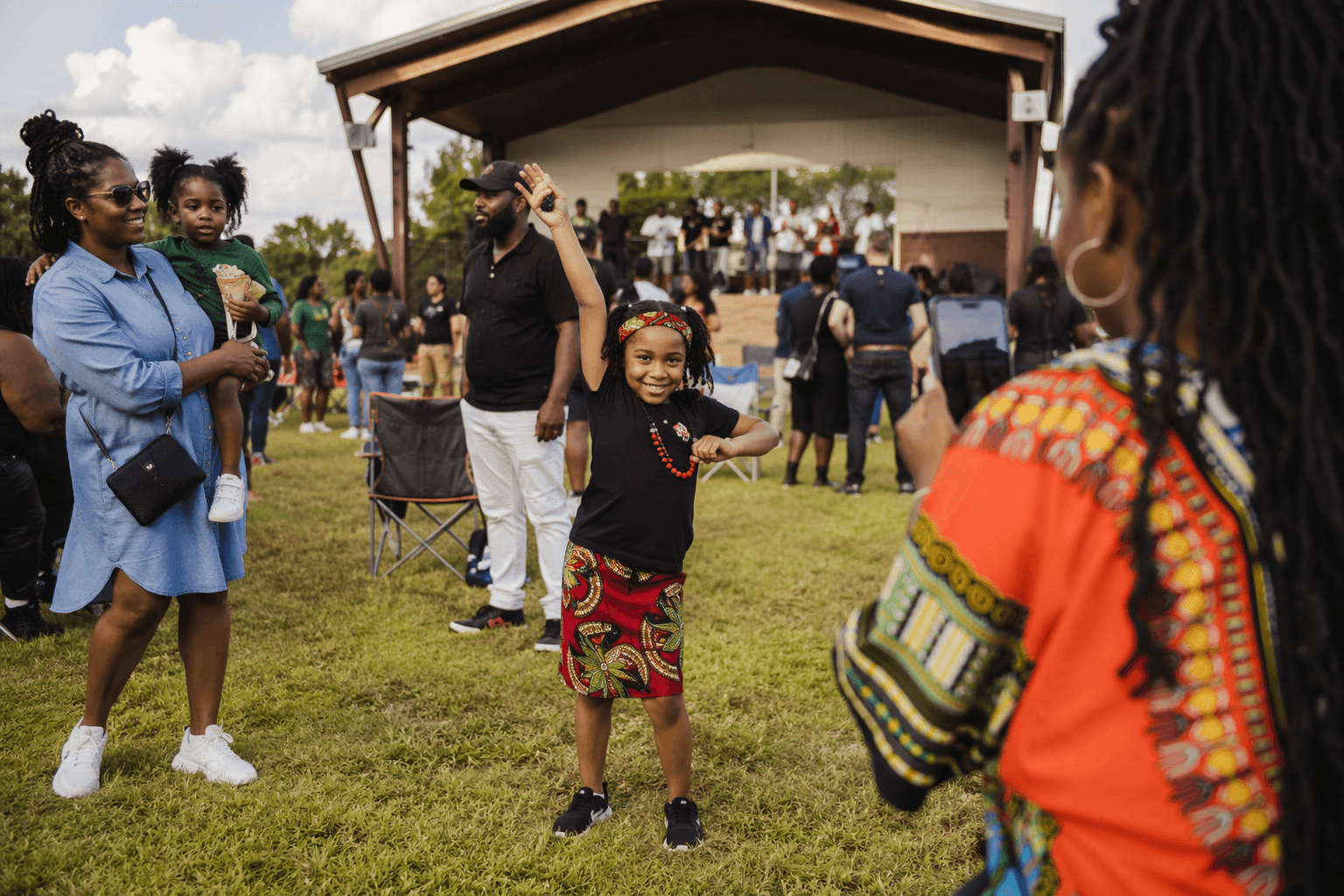
Free Juneteenth celebrations are spreading across Wake County, and the clearest pattern is not just where they happen but what each one is trying to do. Raleigh’s park events lean into family-friendly fun, Garner is centering Black landownership history, and Moore Square and Dorothea Dix Park add a stronger public-history and community-culture layer to the holiday.
Where families can find the biggest all-ages celebrations
Raleigh’s Juneteenth Celebration at The Pines is built for families who want a simple, free evening outdoors. The event is set for Thursday, June 11, 2026, from 7 to 10 p.m. at Carolina Pines Park, with doors opening at 6:45 p.m., and the city says it is free and open to all ages. The lineup includes DJ entertainment, local musical performers, food trucks, interactive activities, informational tables, photo opportunities, line dancing, and sing-a-longs.
The Kidz Zone at The Pines makes the event especially useful for parents looking for something more structured than a concert in the park. Raleigh says it is designed for children ages 5 to 12 and will include games, arts and crafts, and snacks, with parents or guardians required to sign children in and out. The city is presenting the celebration in partnership with the Human Relations Commissions, which underscores its public-facing, community-wide approach.
John Chavis Memorial Park will host the city’s largest Juneteenth gathering on Friday, June 19, 2026, from 10 a.m. to 9 p.m. The event, Juneteenth: A Chavis Celebration, is split into a day party from 10 a.m. to 4 p.m. and a night party from 5 p.m. to 9 p.m., giving families a long window to come and go. Raleigh says the day and night programming will include waterslides, water games, arts and crafts, a live DJ, vendor booths, wellness screenings, a splash pad, food trucks, live bands, performances by local artists, face painting, and inflatables.
That Chavis event matters because it does more than entertain. The city frames it as a historic Juneteenth celebration honoring history, freedom, resilience and community, and the park setting gives that message real weight in east Raleigh, where public space and cultural memory meet.
Where the holiday turns more explicitly toward history
For readers looking for Juneteenth programming with a stronger historical spine, Dorothea Dix Park is the most program-driven stop on the calendar. The Capital City Juneteenth Celebration is scheduled for Saturday, June 20, 2026, from 2 to 6:30 p.m. at Harvey Hill near Gipson Play Plaza, and its itinerary reads less like a concert bill and more like a public remembrance.
The program includes a welcome and prayer by Rev. Dr. Steven L. Lyons, dignitary comments by Mayor Janet Cowell and Deshea from Dix Park, a genealogist presentation by Desi Campbell, HBCU recognition and line dancing, remarks by Earl Ijames of the NC History Museum, an appearance by the Greater Raleigh Pan-Hellenic Council, a presentation on The Life of Patsy Young / Piety Cotton, and closing remarks. The mix of ceremony, genealogy, and historical storytelling makes this one of the county’s clearest links between celebration and preservation.
Garner’s Juneteenth Celebration is also organized around history, but with a more local and specific focus. The town’s event is set for Saturday, June 20, 2026, from 11 a.m. to 12:15 p.m. at the Garner Performing Arts Center, and this year’s theme centers on telling the story and recognizing the importance of Black landowners in Garner. Special remarks will be shared by Deborah Ross and Buddy Gupton, and the town says the event will use choirs, dance, and narrative segments based on residents’ voices and ancestors.
That focus reflects a longer community effort. The Town of Garner says its Juneteenth Committee was formed in September 2020 by the mayor and approved by council, showing that the town’s observance has been built deliberately rather than added as a one-off celebration. In a county where many Juneteenth events are still broad and festive, Garner is using the holiday to make a local historical claim about land, memory and ownership.
Where Black business culture shows up most clearly
Moore Square stands out as the clearest example of Juneteenth programming tied to Black business and cultural curation. Raleigh’s Juneteenth calendar says the square will host a Juneteenth celebration curated by Taste of Black, and the city also lists a collaborative event there with Marbles and the John P. Top Greene African American Cultural Center, though details are still listed as TBA.

Even without a full schedule attached, that combination matters. Taste of Black signals a stronger emphasis on Black-owned food, vendors or cultural programming, while the partnership with the African American cultural center suggests that Moore Square is being used as a downtown platform for community identity, not just another public event space. For readers trying to support Black-led local culture, this is the Raleigh event to watch most closely.
The broader Wake County calendar also points to local commerce and vendor activity as part of the holiday’s fabric. The Chavis celebration includes vendor booths and food trucks, while the Capital City Juneteenth event at Dix Park also includes vendors. Those details matter because they show Juneteenth functioning not only as a remembrance day but as a local marketplace for Black entrepreneurship, arts and community services.
What Juneteenth means in Wake County now
Juneteenth commemorates June 19, 1865, when federal troops arrived in Galveston, Texas to enforce emancipation. It became a federal holiday on June 17, 2021, and Wake County’s lineup shows how quickly the holiday has become part of the region’s public calendar.
ABC11’s Triangle roundup places Raleigh, Garner and the wider Durham-Chapel Hill region in the same civic frame, but Wake County stands out because the events are so varied in purpose. The Pines is the best fit for families looking for a free evening outing. Chavis offers the biggest all-day celebration. Garner is the most explicitly historical and locally specific. Dix Park blends public ceremony with cultural performance. Moore Square points toward Black business and downtown collaboration.
That spread is the story. Juneteenth in Wake County is no longer being treated as a single gathering or a symbolic gesture. It is becoming a countywide set of free, accessible public events that ask residents to choose how they want to participate: through music and play, through history, through support for Black-owned culture, or through a direct look at the people and institutions that shaped freedom in North Carolina.
This article was produced by Prism’s automated news system from verified source data, official records, and press releases, then run through automated quality and moderation checks before publishing. The system is built and supervised by the people who set the standards it runs under. Read our full AI policy.
Know something we missed? Have a correction or additional information?
Submit a Tip