More than 200 cyclospora cases reported in Wake, Durham counties
State health officials are still trying to find the source of a cyclospora surge that has pushed Wake County to at least 270 cases, with Durham County also affected.
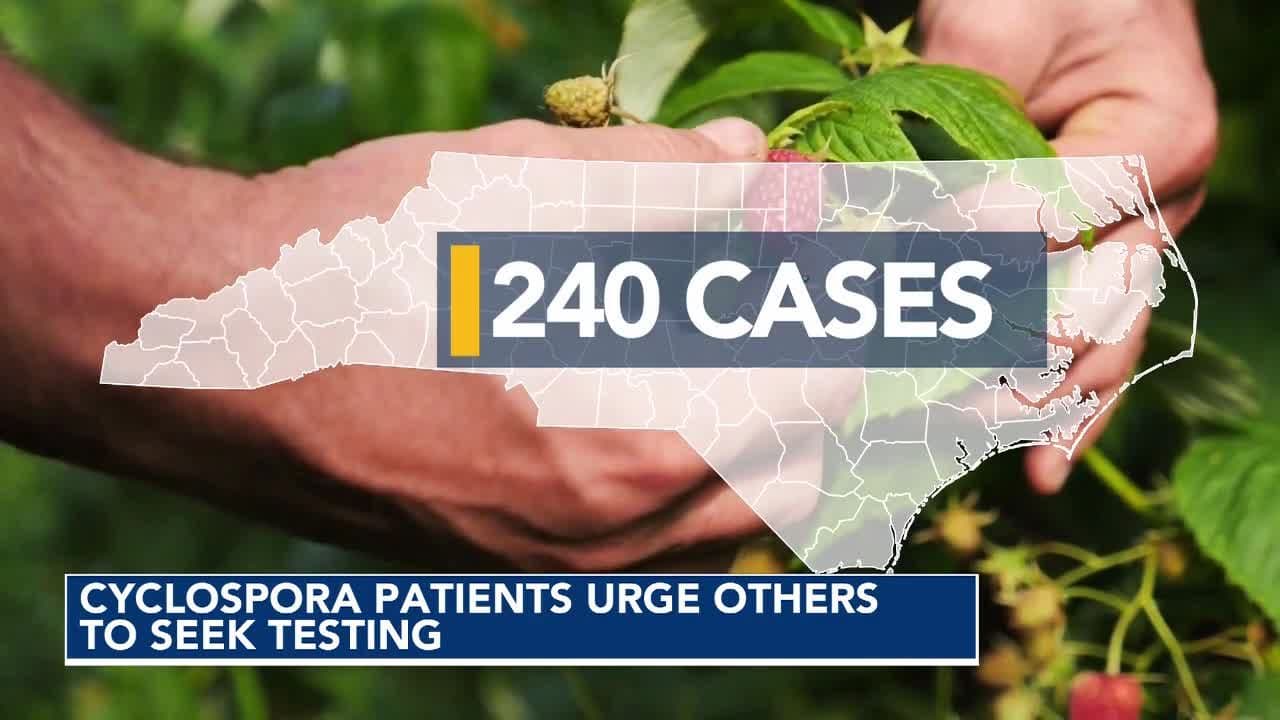
State health officials are still trying to pin down the source of a cyclospora surge that has sickened people in Wake and Durham counties, even as Wake County’s case count climbed to at least 270 by July 17. The North Carolina Department of Health and Human Services said July 17 it was still working to find a cause, after warning July 14 that North Carolina was seeing an increase and was among dozens of states with elevated cases.
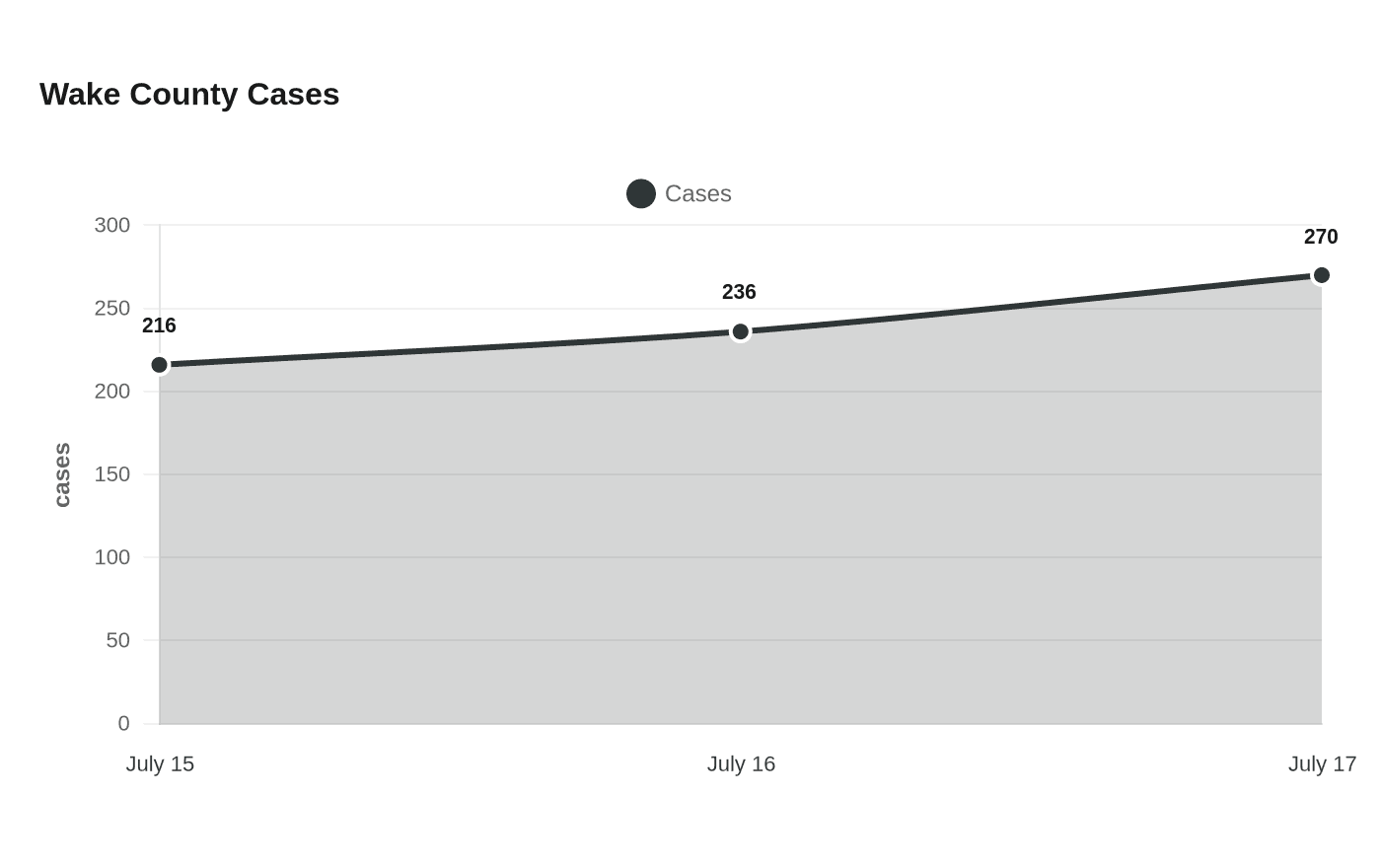
In Wake County, the numbers moved quickly. WRAL reported at least 216 cases on July 15, 236 cases on July 16 and 270 cases on July 17. Five people had been hospitalized in Wake County. Another report put the statewide total at more than 300 cases and 13 hospitalizations, with 186 of those cases in Wake County as of Tuesday. ABC11 also reported that Wake County had more than 300 confirmed cyclospora cases since May 1.

That unsettled count is the accountability question now facing local public health teams: whether investigators can connect the illnesses to a shared restaurant, a produce supplier or the handling of food somewhere in the Triangle. So far, NCDHHS has not identified a cause. WRAL reported the outbreak was not linked to the Taco Bell lettuce outbreak, narrowing one possible explanation but not ending the investigation.
Cyclospora, a parasite that causes prolonged gastrointestinal illness, is often tied to contaminated food or water, especially raw produce and herbs. NCDHHS says symptoms can include watery diarrhea, stomach cramps, fatigue, nausea and loss of appetite. Symptoms usually begin about a week after exposure, not within a few hours, which can make it harder for families to connect a meal to the illness that follows days later.
The pattern matters in Wake County because a foodborne problem can spread across many households before anyone realizes they share the same exposure. Wake County Public Health has identified cyclosporiasis as a foodborne illness investigation topic, and the county’s large population means cases can surface in Raleigh, Cary, Garner, Apex and beyond before the source is clear.
North Carolina has dealt with this before. In 2024, investigators closed one outbreak after the U.S. Food and Drug Administration identified imported parsley as the source in 49 illnesses. Another 2024 investigation covered 61 people and was linked to shrimp salad made with fresh produce, though no specific ingredient was identified. Those cases showed how often cyclospora points back to produce or prepared foods, and why investigators are still working the current Wake and Durham County cluster now.
This article was produced by Prism’s automated news system from verified source data, official records, and press releases, then run through automated quality and moderation checks before publishing. The system is built and supervised by the people who set the standards it runs under. Read our full AI policy.
Did this article answer your question?