WakeMed costs could rise for state health plan members in 2027
State workers and retirees could pay thousands more for WakeMed care in 2027, while UNC Health visits may get steep discounts under the new plan tiers.
North Carolina’s State Health Plan board approved a new tiered benefit structure in July that will make WakeMed care more expensive for members beginning in 2027, a move that could hit the plan’s 750,000 members in Raleigh, Cary and across Wake County. For many patients, the change could mean thousands of dollars more in out-of-pocket costs if they keep using WakeMed, while care through UNC Health could come with equally large discounts.
The plan’s leaders have said the new structure is meant to steer members toward “preferred providers” and lower overall costs. Duke Health was added to the access tier, but the biggest local shift lands on WakeMed, one of the Triangle’s most visible hospital systems and a central part of care for state workers, retirees and their families who live near Raleigh.

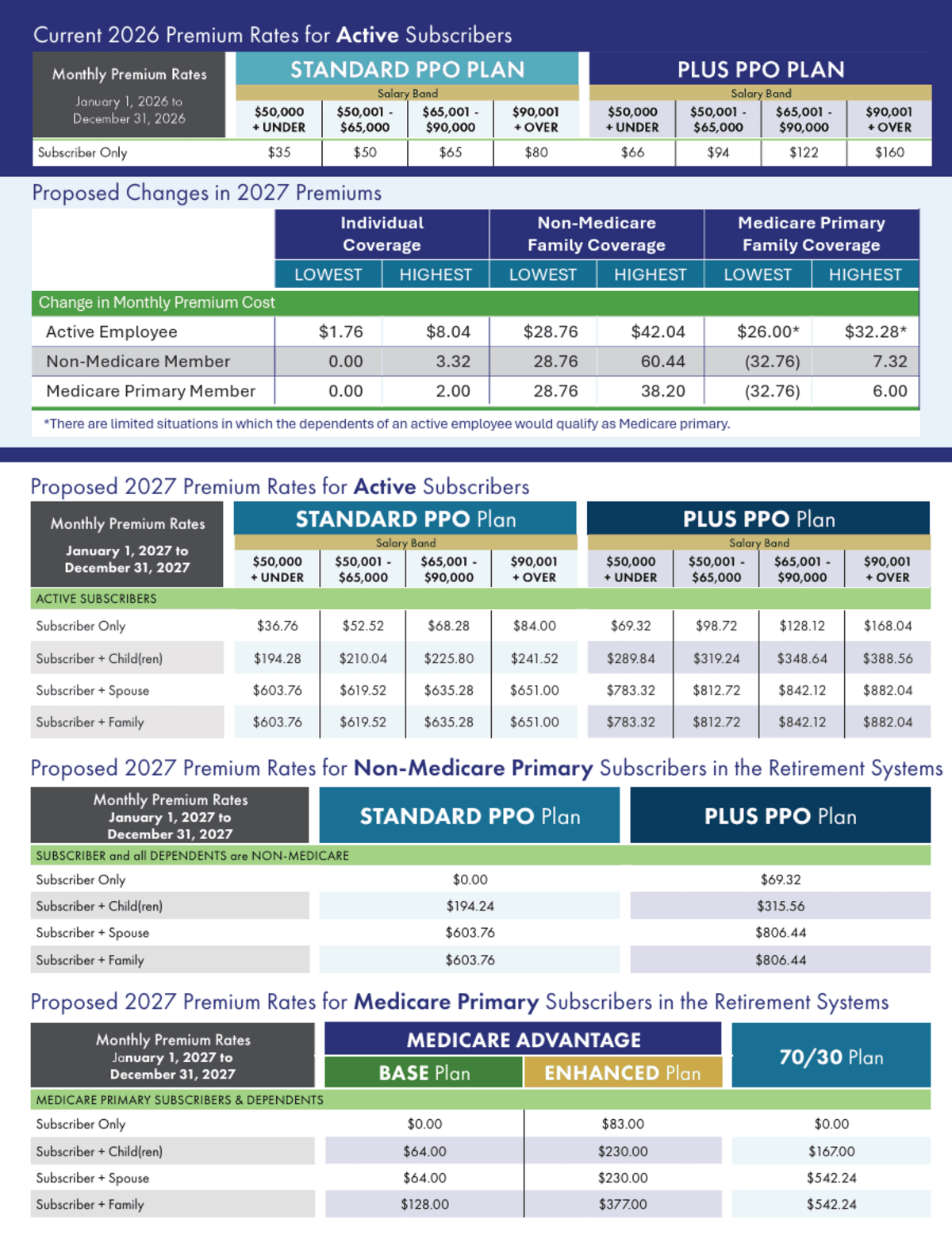
The price changes come on top of a 5% premium increase the board approved for most members. In one presentation, that increase translated to roughly a $2 monthly bump for many people, a small figure on paper but one that comes as the plan also reshapes deductibles, copays and other out-of-pocket costs by provider. For families already budgeting tightly around insurance and prescriptions, the combination of higher premiums and higher hospital bills could make the choice of where to seek care even harder.
The shift also deepens a broader fight over how the state pays for health care. State Health Plan leaders have been warning for months that the system is running out of money, and legislators have not spelled out how they will fill the gap. In June, plan leaders warned that a proposed WakeMed-Atrium Health merger could push premiums higher. WakeMed pushed back, saying the deal would lower costs.
For Wake County, the stakes are not abstract. WakeMed is woven into daily care in Raleigh and surrounding communities, and many state employees and retirees have long-standing relationships with its doctors, clinics and hospitals. If the new tiering structure forces them to look elsewhere to avoid higher bills, those choices could shift routine appointments, specialist visits and surgeries toward UNC Health or other preferred systems. That would change not only what patients pay, but where health care dollars flow across the Triangle.
This article was produced by Prism’s automated news system from verified source data, official records, and press releases, then run through automated quality and moderation checks before publishing. The system is built and supervised by the people who set the standards it runs under. Read our full AI policy.
Did this article answer your question?