New accuser emerges in Raleigh police impersonation case, charges expanded
A second alleged victim surfaced after seeing Cromartie's arrest on social media, and prosecutors added charges in a Raleigh fake-stop case.
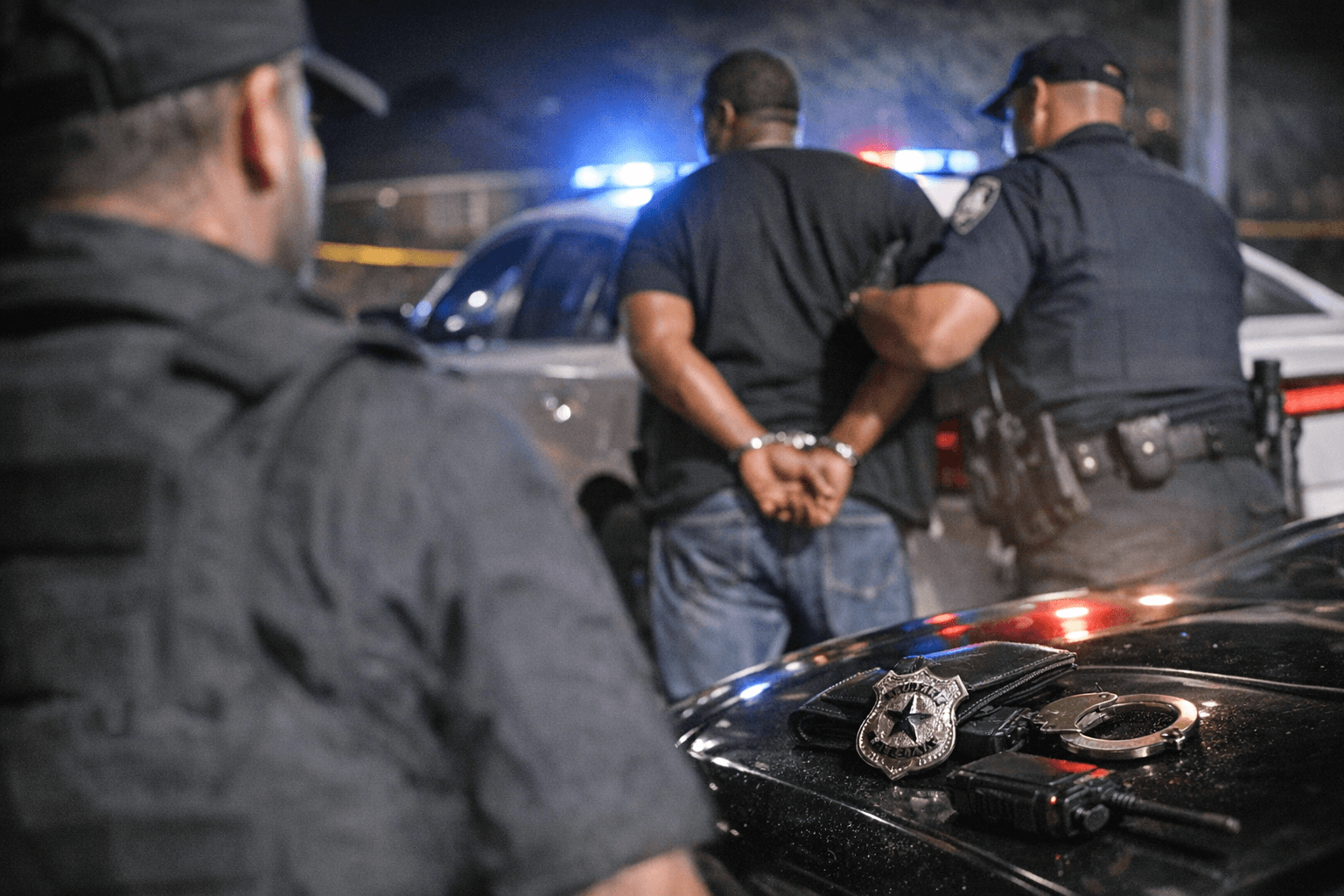
A second person has come forward in the case against Raleigh man Meredith Cromartie Jr., deepening a police-impersonation investigation that already included allegations of kidnapping and sexual battery. The new accuser told police about the encounter after seeing Cromartie’s arrest on social media, and the Wake County District Attorney’s Office approved additional charges.
Cromartie, 33, now faces counts including second-degree kidnapping, sexual battery and impersonation of a law-enforcement officer. WRAL reported that he turned himself in to the Orange County Sheriff’s Office on March 24, 2026, after being served with outstanding Wake County charges. CBS 17 reported that the first alleged impersonation incident occurred on March 18, 2026, during what police described as a fake traffic stop on Capital Boulevard near Old Wake Forest Road.
The allegations point to a pattern that investigators are treating as especially serious. Court documents cited by WRAL say Cromartie has been arrested at least six times in the past decade for impersonating a police officer. Earlier cases also included a charge of indecent liberties with a child, adding to the concern around the latest allegations and the possibility that other people in Wake County may have had similar encounters.
North Carolina law specifically bans falsely representing oneself as a sworn law-enforcement officer. State statute G.S. 14-277 covers verbal claims, badges or identification that would lead a reasonable person to believe the person is police, and unlawful use of a vehicle with an operating red light. The General Assembly also strengthened the law in 1995 by making impersonation through unlawful use of a vehicle with a blue light a felony offense. That legal history reflects how seriously the state treats anyone who tries to borrow the authority of a badge.
The public-safety warning for Raleigh residents is direct: a real officer should not rely on intimidation or a fake stop to gain compliance. If a traffic stop or street encounter feels wrong, do not trust threats from the person claiming to be an officer. Verify the agency independently by hanging up and calling back using a number you find yourself, not one provided by the caller. The North Carolina Department of Justice gives that same advice as a basic defense against law-enforcement imposters.
The case remains open, and the new accuser’s decision to come forward suggests investigators may still hear from more victims or witnesses. Anyone with information can contact Crime Stoppers. For Raleigh police, whose stated mission is to build trust and reduce crime in the community, the case underscores how quickly a fake badge can turn into a real public-safety threat.
This article was produced by Prism’s automated news system from verified source data, official records, and press releases, then run through automated quality and moderation checks before publishing. The system is built and supervised by the people who set the standards it runs under. Read our full AI policy.
Did this article answer your question?