New forensic testing leads to arrest in 2019 Raleigh homicide
New forensic testing matched evidence in Jorge Zelaya’s 2019 killing to a 49-year-old suspect, ending a six-year wait for his family and Wake County detectives.
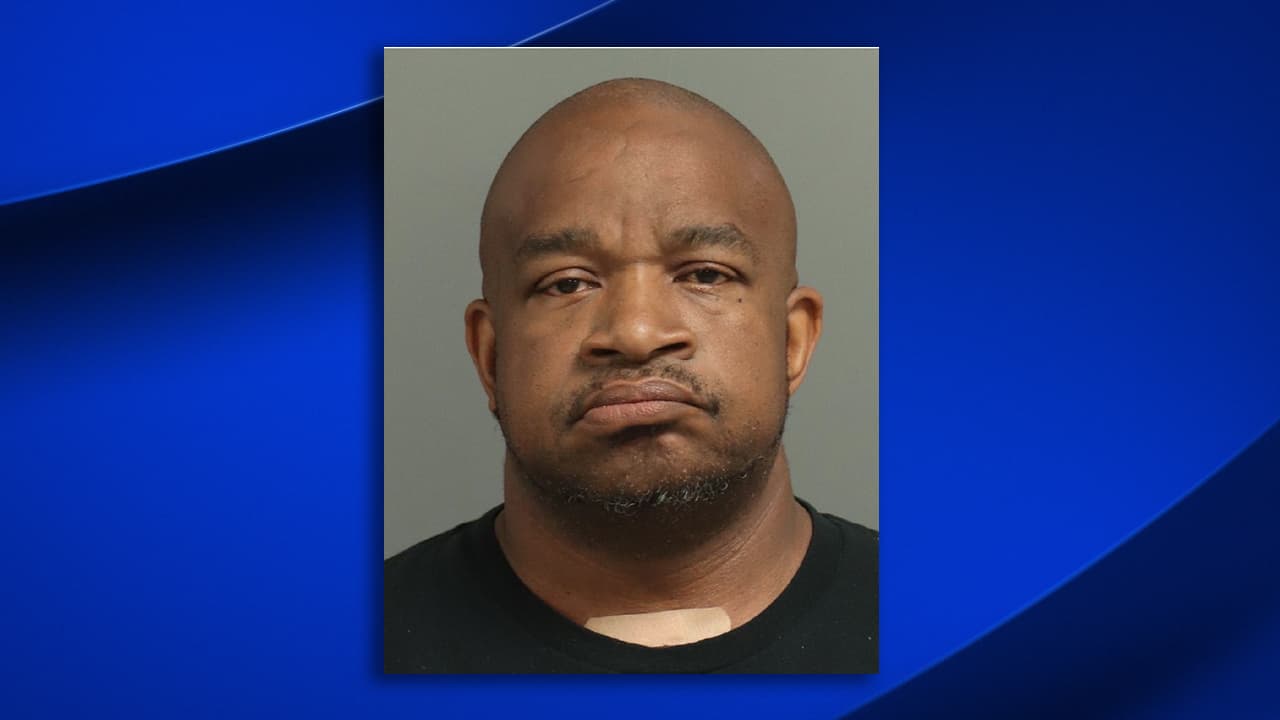
Fresh forensic testing turned a long-unsolved Raleigh homicide into an arrest, linking evidence from Jorge Zelaya’s 2019 killing to Roger Riddick after years without an answer for the family.
Raleigh police said detectives reopened the file in February 2026 and sent evidence to the North Carolina State Bureau of Investigation Crime Laboratory. The newer testing used technology that was not available when Zelaya was killed, and investigators later received a positive match tied to Riddick, 49. Wake County prosecutors approved the charge, and police announced the arrest on May 21. CBS 17 reported that Riddick was being held without bond at the Wake County Detention Center.
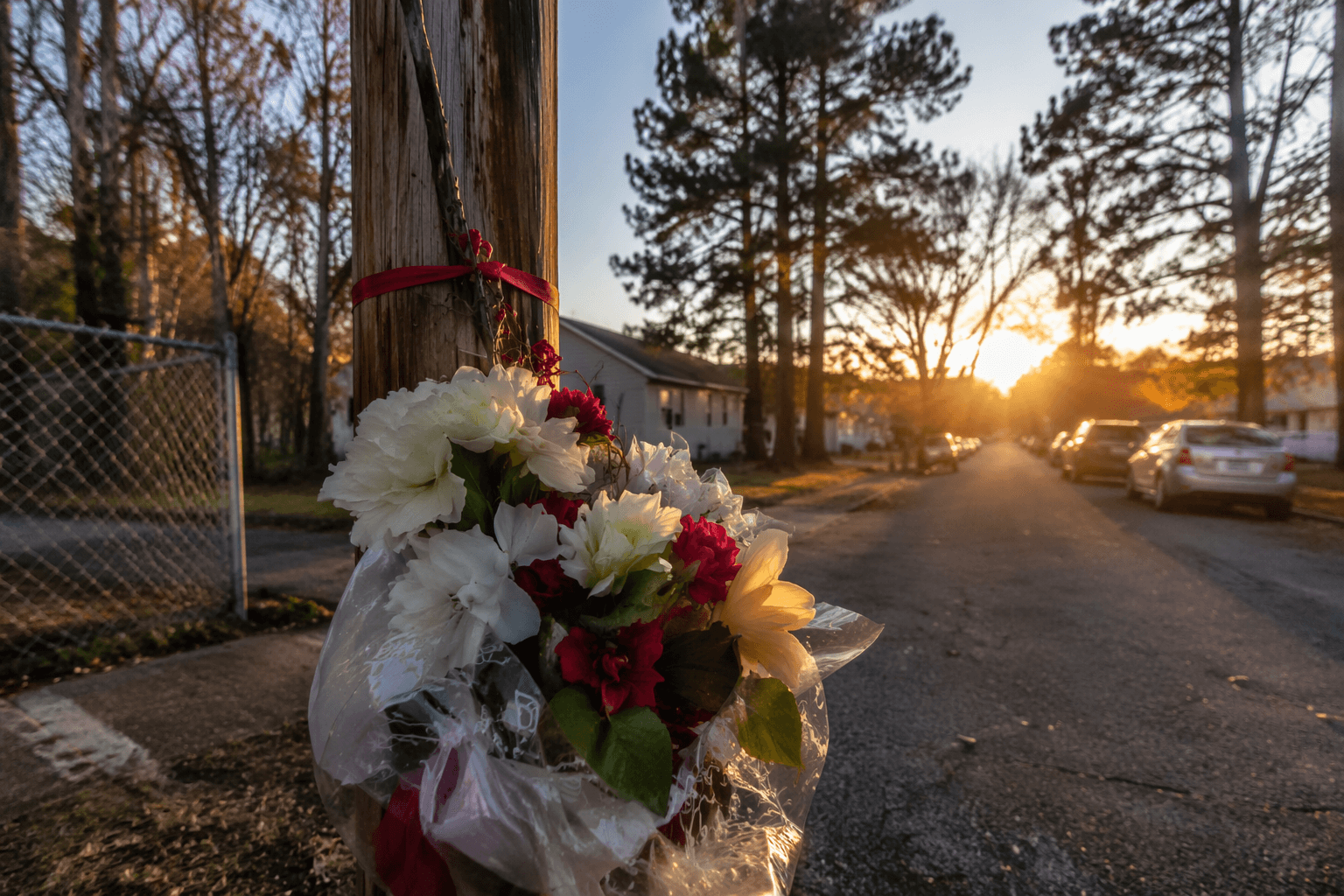
Zelaya was 24 when he died. Officers were sent just before 7 a.m. on June 6, 2019, to 3315 Vinson Court in northeast Raleigh, near Brentwood Park, after a man walking his dog found a body and called 911. Police said Zelaya had suffered stab wounds and died from those injuries. The killing immediately raised alarm in the neighborhood, but the case remained open for years while investigators interviewed people connected to Zelaya and others in the area.
For Zelaya’s family, the arrest restores a measure of accountability that had been missing since the killing. His mother, Lesly Zelaya, had described the loss as devastating and said she wanted the person responsible found. The renewed case now gives Wake County prosecutors a chance to test how far new forensic methods can carry an old homicide when witness accounts and other leads have not been enough.
The arrest also puts a spotlight on Raleigh police’s cold-case capacity. The department says its Homicide Unit includes one captain, one lieutenant, 10 detectives and two sergeants, and that detectives are expected to keep victims’ families updated throughout investigations. In a city and county still carrying unsolved violent crimes, the Zelaya case shows that preserved evidence can remain useful long after an initial investigation stalls. It also suggests that other dormant Wake County homicides could be revisited if investigators still have physical evidence that modern testing can reach.
For Jorge Zelaya’s family, the case has moved from uncertainty to a new stage in court. For Raleigh, it is a reminder that the timeline of justice can stretch across years, but it does not always stop there.
This article was produced by Prism’s automated news system from verified source data, official records, and press releases, then run through automated quality and moderation checks before publishing. The system is built and supervised by the people who set the standards it runs under. Read our full AI policy.
Did this article answer your question?