North Carolina court interpreters to halt assignments over pay dispute
Certified interpreters are set to stop taking North Carolina assignments Friday, putting Wake County hearings that depend on language access at risk.
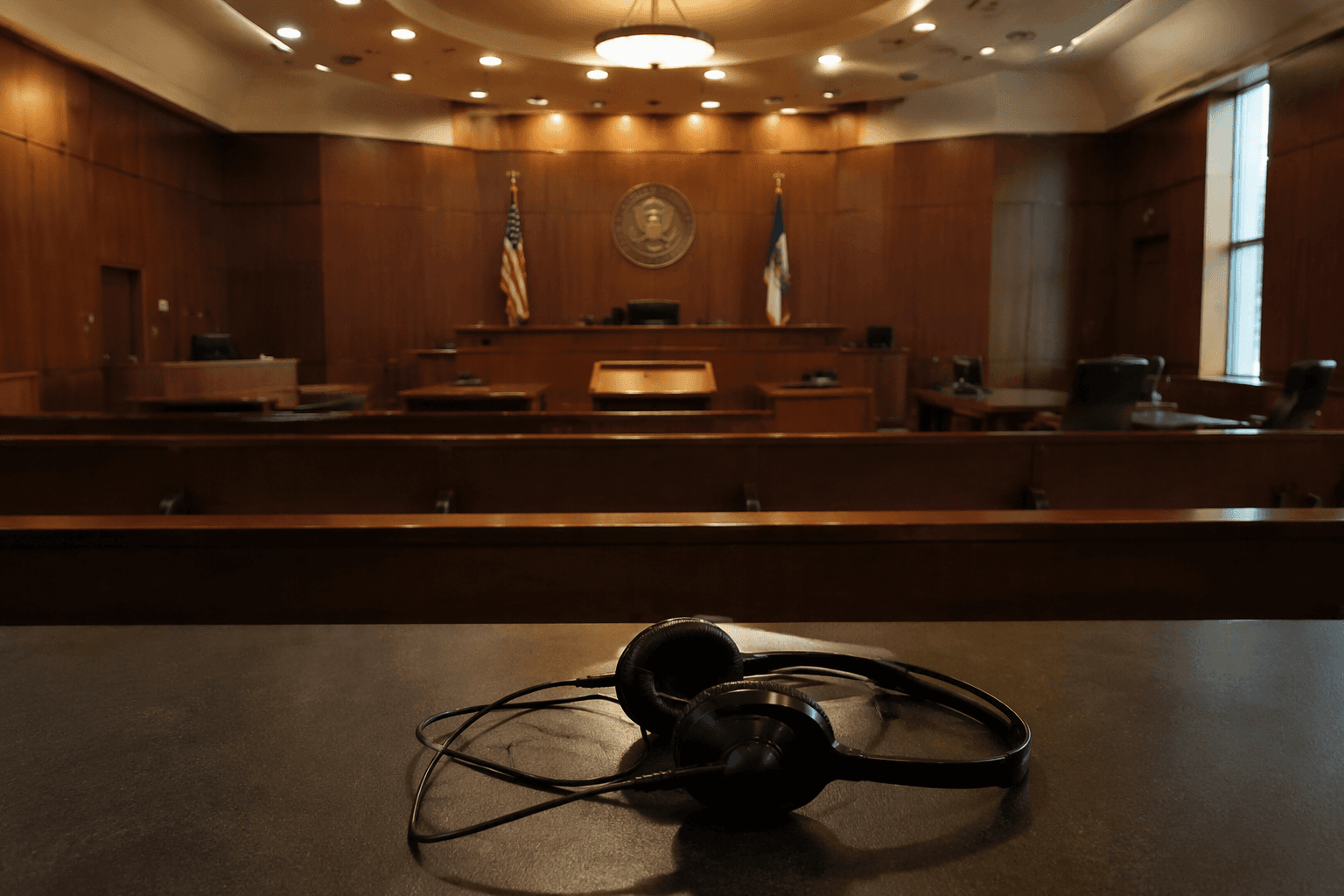
Wake County courtrooms could feel the interpreter walkout immediately if certified court interpreters across North Carolina stop accepting assignments Friday after higher pay was not funded. Criminal hearings, family court matters and immigration proceedings are among the cases most likely to be delayed or compromised when a qualified interpreter is not available.
The risk falls hardest on defendants, victims, witnesses and parents, guardians or custodians involved in cases where English is not their primary language. North Carolina court guidance says a qualified interpreter should be required for any proceeding involving a party in interest with limited ability to read, speak or understand English, and it defines parties in interest broadly to include not only the parties themselves but also victims, witnesses and parents, legal guardians or custodians of minor or adult parties.
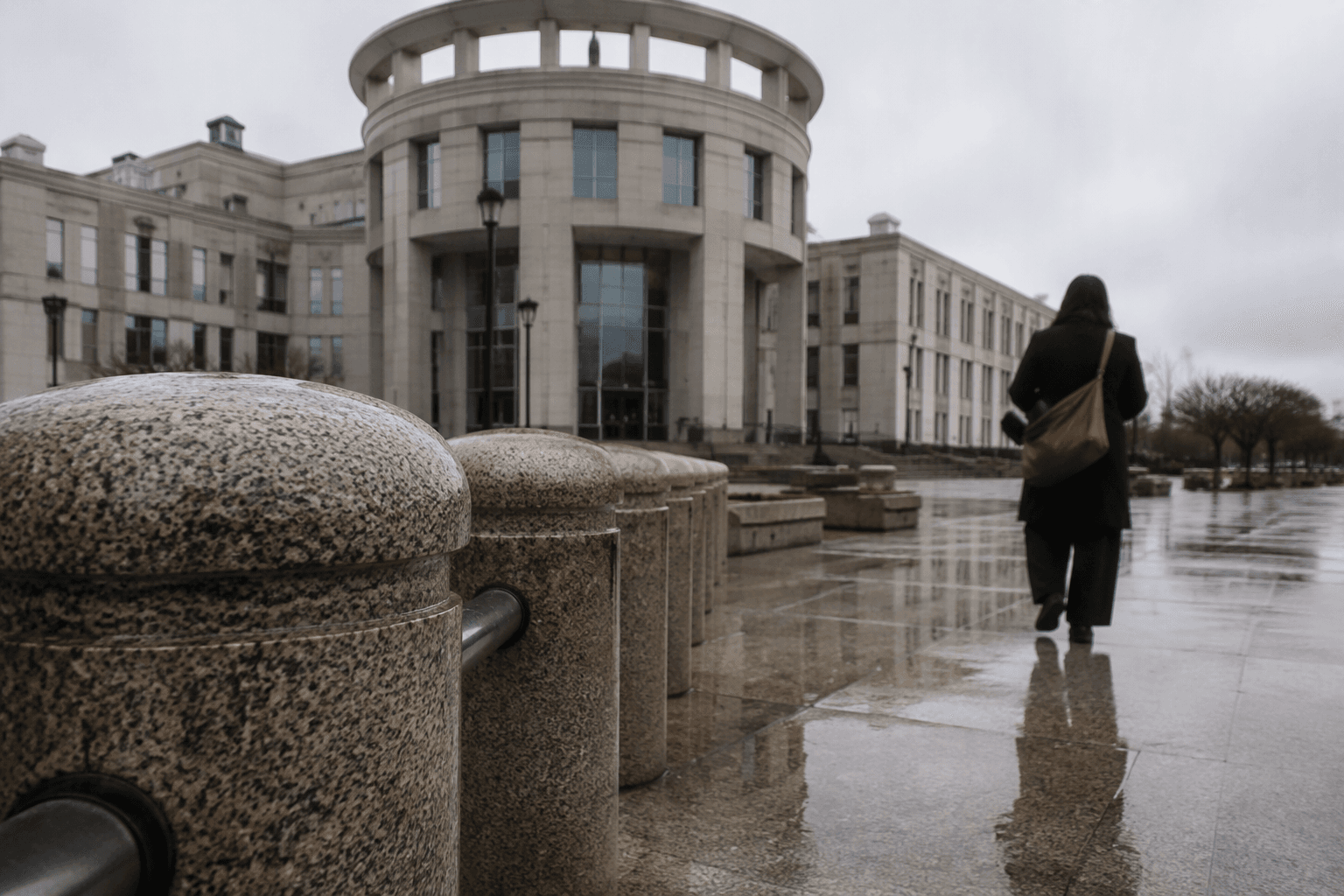
In Raleigh and across Wake County, that matters because the court system depends on a formal interpreter pipeline. The North Carolina Judicial Branch says litigants and witnesses in courtrooms throughout the state speak more than 50 different languages and need court interpreter services. It also says interpreters provide an essential public service. Local Language Access Coordinators use the Registry of Spoken Foreign Language Court Interpreters to schedule coverage for court proceedings in their counties, so a work stoppage would hit the scheduling system at the point it is supposed to fill gaps.
The shortage would not just create inconvenience for attorneys and clerks. If a plea offer is not understood, a witness cannot be heard clearly, or a family court matter stalls because the people in the room do not share a common language, the delay can ripple through crowded dockets and keep people waiting in jail for their next court date. In a county as large as Wake, even a short disruption can quickly back up calendars that already move tightly from one hearing to the next.
The interpreter workforce is also specialized and not easy to replace. North Carolina Judicial Branch training materials say candidates must attend interpreter orientation and pass written screening tests to pursue certification. The branch scheduled orientation sessions in Raleigh for June 2-4, 2026, and in Charlotte for Oct. 5-7, 2026, underscoring how long it takes to build the supply of qualified interpreters the courts rely on every day.
This article was produced by Prism’s automated news system from verified source data, official records, and press releases, then run through automated quality and moderation checks before publishing. The system is built and supervised by the people who set the standards it runs under. Read our full AI policy.
Did this article answer your question?