Raleigh to lift stage 1 water restrictions after recent rain
Raleigh will end Stage 1 water restrictions Aug. 3 after Falls Lake rose more than 2 feet, but city leaders still want residents to conserve.
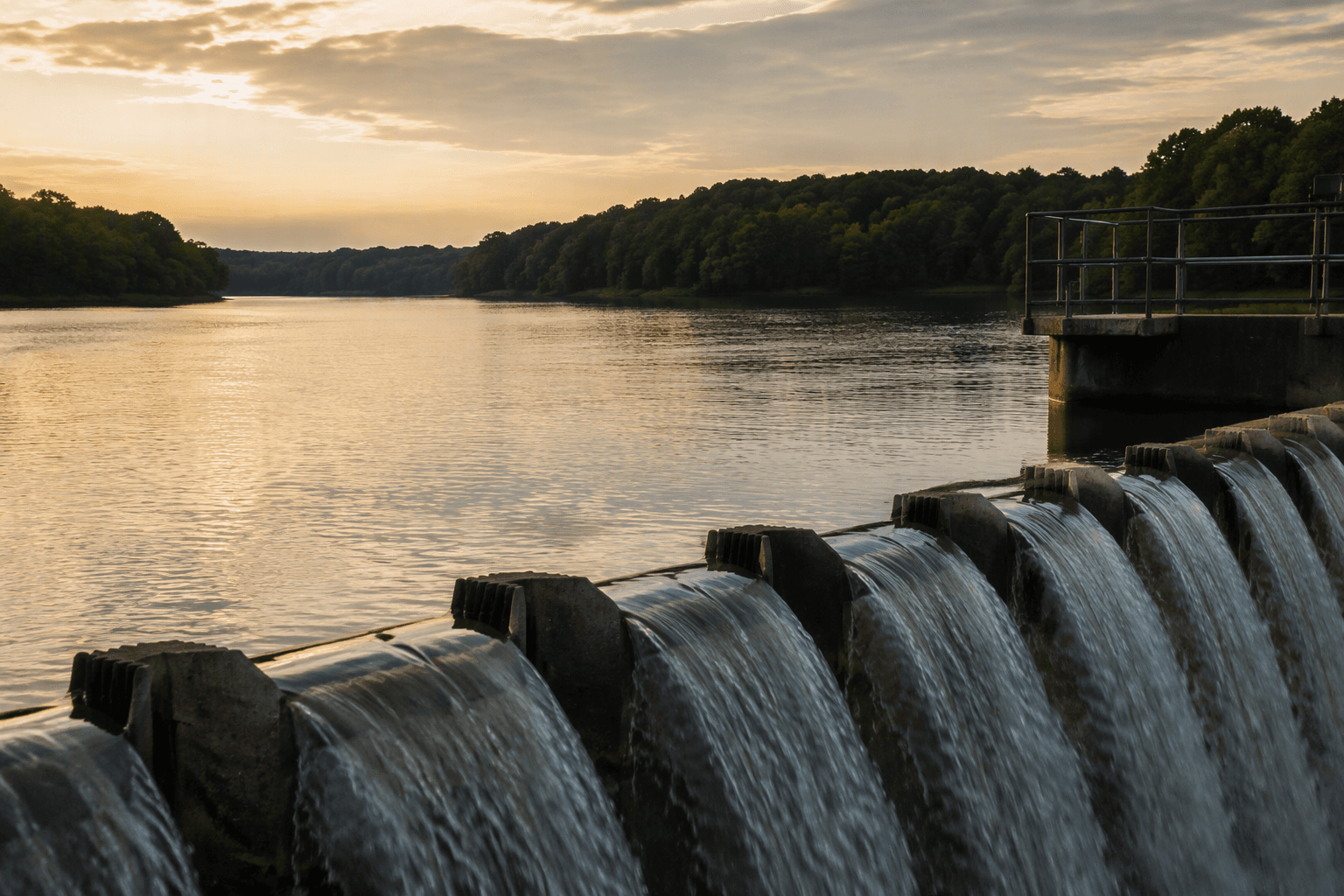
Raleigh will lift Stage 1 water restrictions on Aug. 3 after recent rain pushed Falls Lake high enough for city leaders to relax the rules. The city still wants customers to use water wisely, a reminder that the improvement is helpful but not final.
Raleigh put Stage 1 restrictions in place on April 20, when Falls Lake had fallen to 84% and drought conditions were tightening across the area. WRAL said the limits had been in effect for more than three months by the time the city announced the change, and the U.S. Army Corps of Engineers said the lake rose more than 2 feet over the past week.
Stage 1 is the first phase of voluntary water conservation, and ABC11 said it is designed to reduce overall water use by 3% to 5%. That means the city is easing back from mandatory limits while still asking households and businesses to keep up the habits that helped stretch supplies during the dry stretch, especially when it comes to outdoor watering and other discretionary use.
The practical relief for Raleigh and Wake County is real. People will have more room to water lawns, wash cars and handle other outside chores without the same pressure that came with the restrictions, and businesses that depend on landscaping or outdoor water use will have more flexibility. City leaders said Falls Lake has recovered enough to meet the region’s water needs for the rest of the year.
Even so, the system is not back to a carefree place. The Corps said more rain will still be needed to erase the remaining deficit, and Raleigh’s own drought messaging has continued to stress why short bursts of rain do not always clear drought impacts right away. The city updated its drought page on July 9, and its public explanation has made clear that visible improvement at Falls Lake does not mean the reservoir is fully secure.
For now, the move looks less like a durable reset than rainfall-driven breathing room. The restrictions are ending, but the risk calculus has not disappeared, and another stretch of hot, dry weather could force Raleigh back into a tighter conservation posture.
This article was produced by Prism’s automated news system from verified source data, official records, and press releases, then run through automated quality and moderation checks before publishing. The system is built and supervised by the people who set the standards it runs under. Read our full AI policy.
Did this article answer your question?