Olympian Jenny Simpson collapses at Raleigh mile race, remains hospitalized
Jenny Simpson collapsed after pacing a mile in Raleigh, but CPR and an AED restored her pulse. The 39-year-old Olympian remains hospitalized under observation.
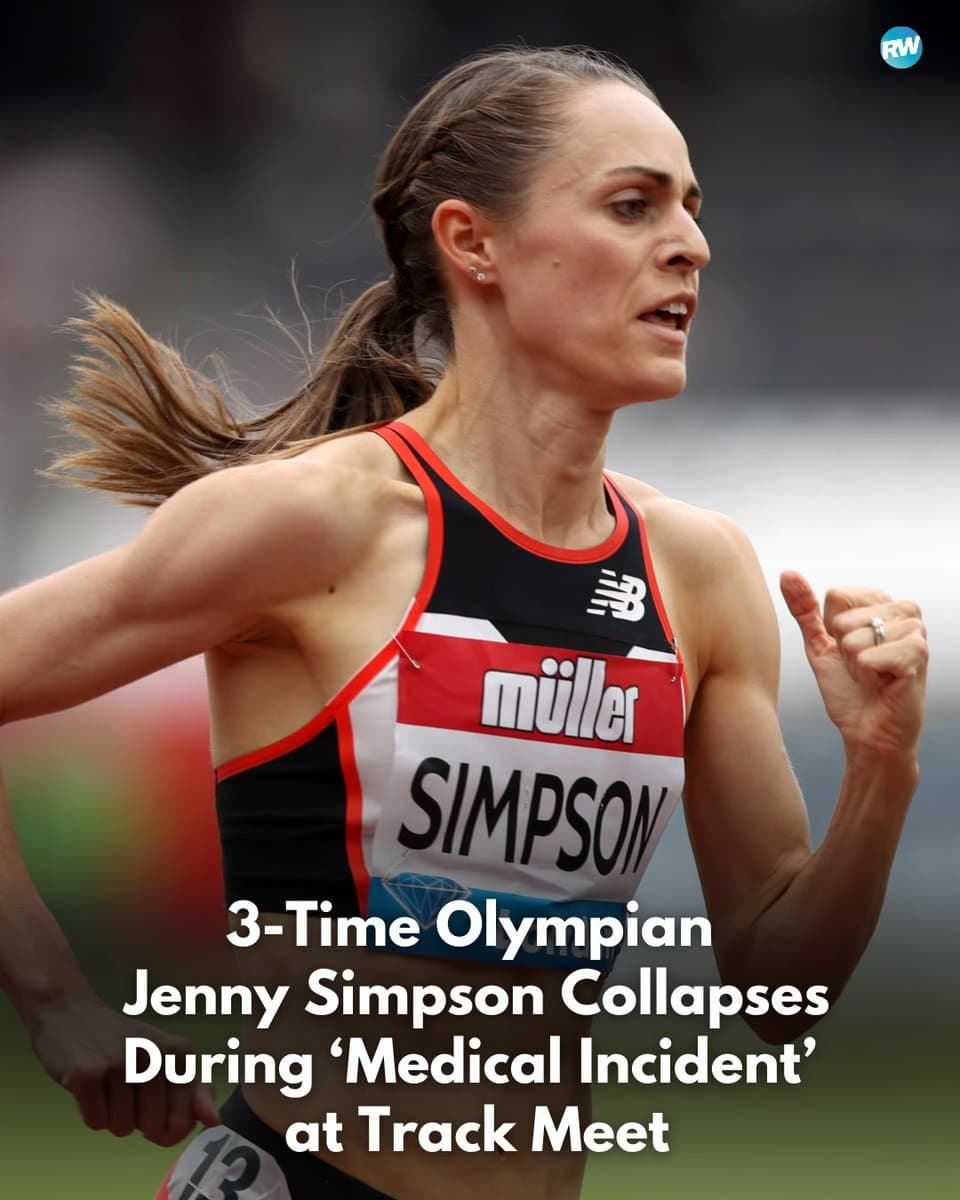
Fast action at a Raleigh track meet helped save Jenny Simpson after the 39-year-old collapsed Tuesday night while pacing a mile group at the Sir Walter Pop Up Miles event. Responders could not find a pulse for a time, then revived the three-time Olympian with CPR and an AED. She remained hospitalized under observation Wednesday morning.
The incident unfolded at a Sir Walter Running event in Raleigh, where the Pop Up Miles format centers on three mile races each week. The track opens at 6 p.m., and races start at 7 p.m., turning the venue into a weekly gathering place for runners, spectators and race organizers in Wake County. Attendees at the scene said Simpson had been pacing the 5:30 mile group and appeared exhausted before she went down.

Simpson has long been one of the most recognizable names in American middle-distance running. USA Track & Field lists her as a three-time Olympian in 2008, 2012 and 2016, and says she won bronze in the 1,500 meters at the Rio de Janeiro Olympics in 2016. At 39, she has remained a prominent figure in the sport, and her presence at a local mile race underscored the link between elite competition and Raleigh’s neighborhood running scene.
Pat Price, a co-founder of the Sir Walter Miler, confirmed the incident. The episode brought attention back to the practical side of staging races and public events: how quickly volunteers, staff and medical response can reach an athlete in distress, and whether an AED is close enough to matter in the first critical minutes of a cardiac emergency. In this case, the response was immediate enough to restore Simpson’s pulse.
For Raleigh’s running community, the collapse turned a familiar summer race into a stark reminder that emergency readiness is not abstract. On a track in Wake County, where the clock usually measures split times and finishing kicks, CPR and an AED made the difference between a frightening scene and a life saved.
This article was produced by Prism’s automated news system from verified source data, official records, and press releases, then run through automated quality and moderation checks before publishing. The system is built and supervised by the people who set the standards it runs under. Read our full AI policy.
Did this article answer your question?