Raleigh festival tests downtown safety one week after July 4 violence
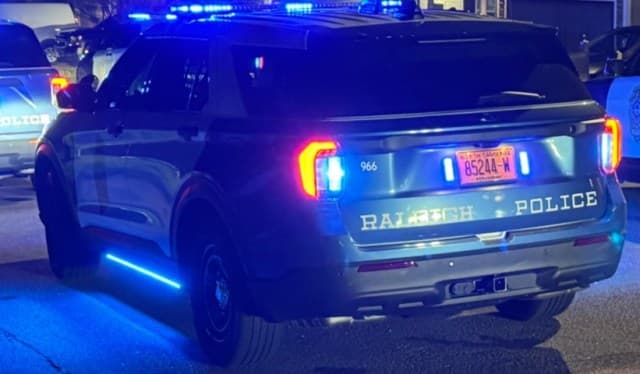
Downtown Raleigh stayed open with carnival games and live music as police stood visibly nearby, one week after violence that left nine people hurt. The crowd was a test of whether families would come back.
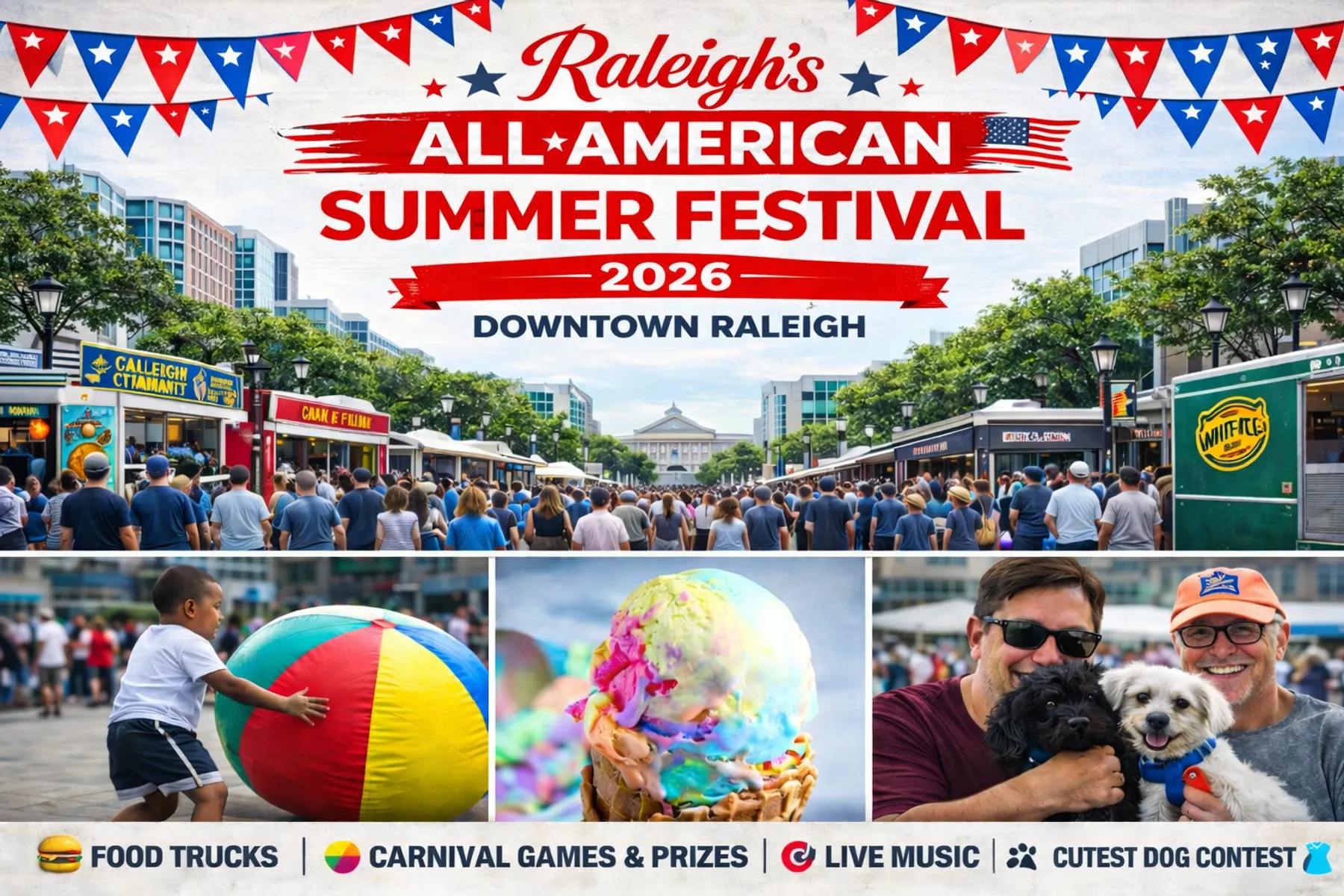
Downtown Raleigh kept its summer calendar moving at the All-American Summer Festival, where carnival games, food trucks, ice cream and live local music filled the core while Raleigh police stayed visibly on watch. The July 12 gathering came exactly one week after the July 4 weekend violence that shook Glenwood South and Brier Creek and pushed city leaders into a fresh debate over curfews and youth gatherings.
The scene was meant to show that downtown could still function as a place for families, visitors and businesses after the holiday weekend disorder. Organizers kept the event on schedule instead of letting the city center be defined by the earlier violence, but the heavier police presence also made clear that Raleigh was not treating the problem as over. For merchants, vendors and performers, the festival mattered as much for the people it brought back into downtown as for the entertainment it offered.
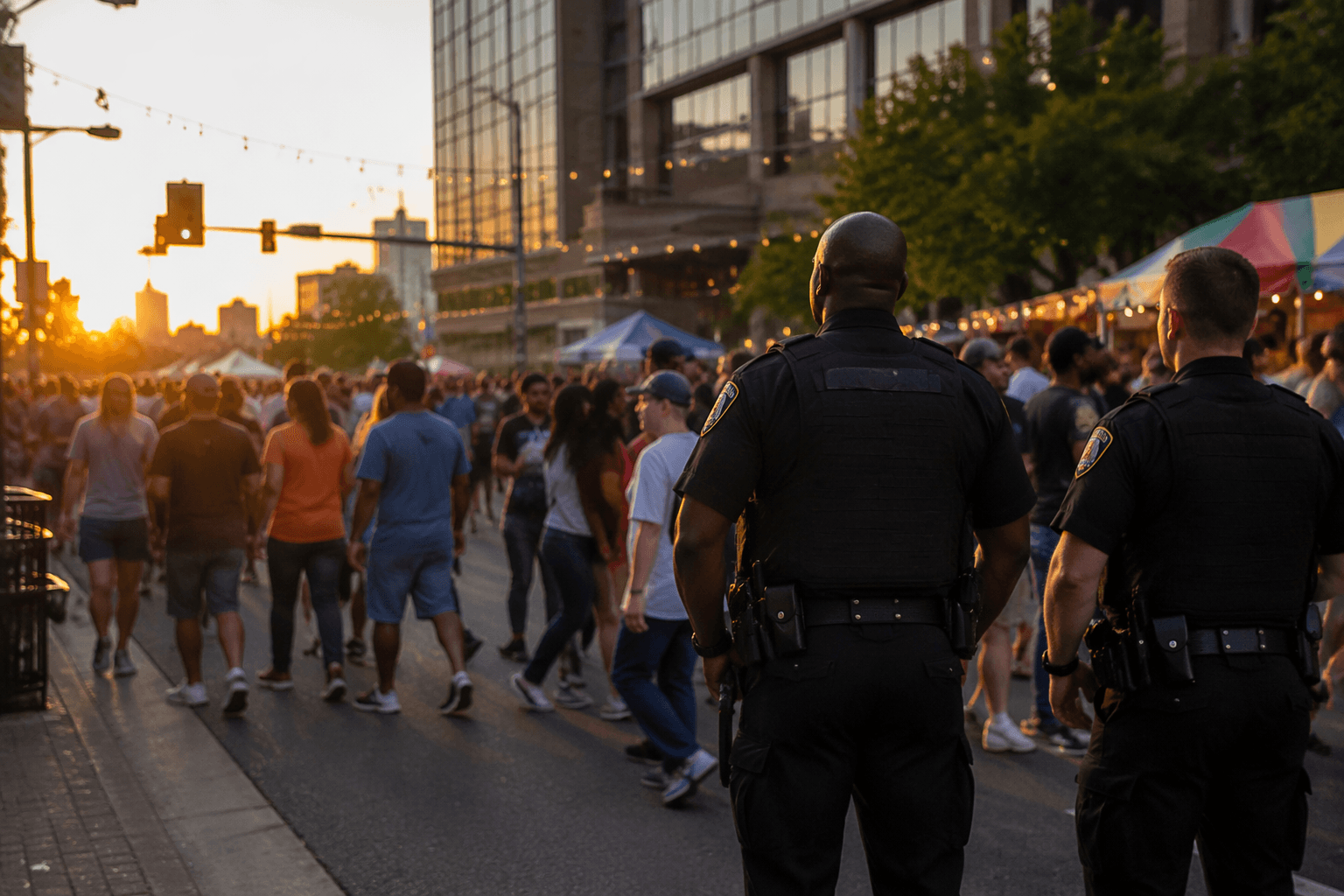
The tension behind that display is rooted in the July 4 weekend, when thousands of teenagers overwhelmed celebrations at Brier Creek and on Glenwood South. Raleigh police said nine people were hurt in shootings tied to those teen takeovers, and later estimates put the crowds at about 3,000 teens in Brier Creek and about 5,000 in Glenwood South, with nearly 300 officers on duty. Police also responded to a related shooting at 850 Capital Blvd., and reports said it took about three hours to get the situation under control after teens reassembled in Glenwood South.
The fallout quickly reached City Hall. Mayor Janet Cowell said a youth curfew was under consideration after the holiday events got out of hand, and Police Chief Rico Boyce backed a proposed citywide teen curfew. Boyce said the Glenwood South disorder was unlike anything he had seen in his career. City leaders have also said they may look at holding parents more accountable as they draft the ordinance for juveniles 17 and under.
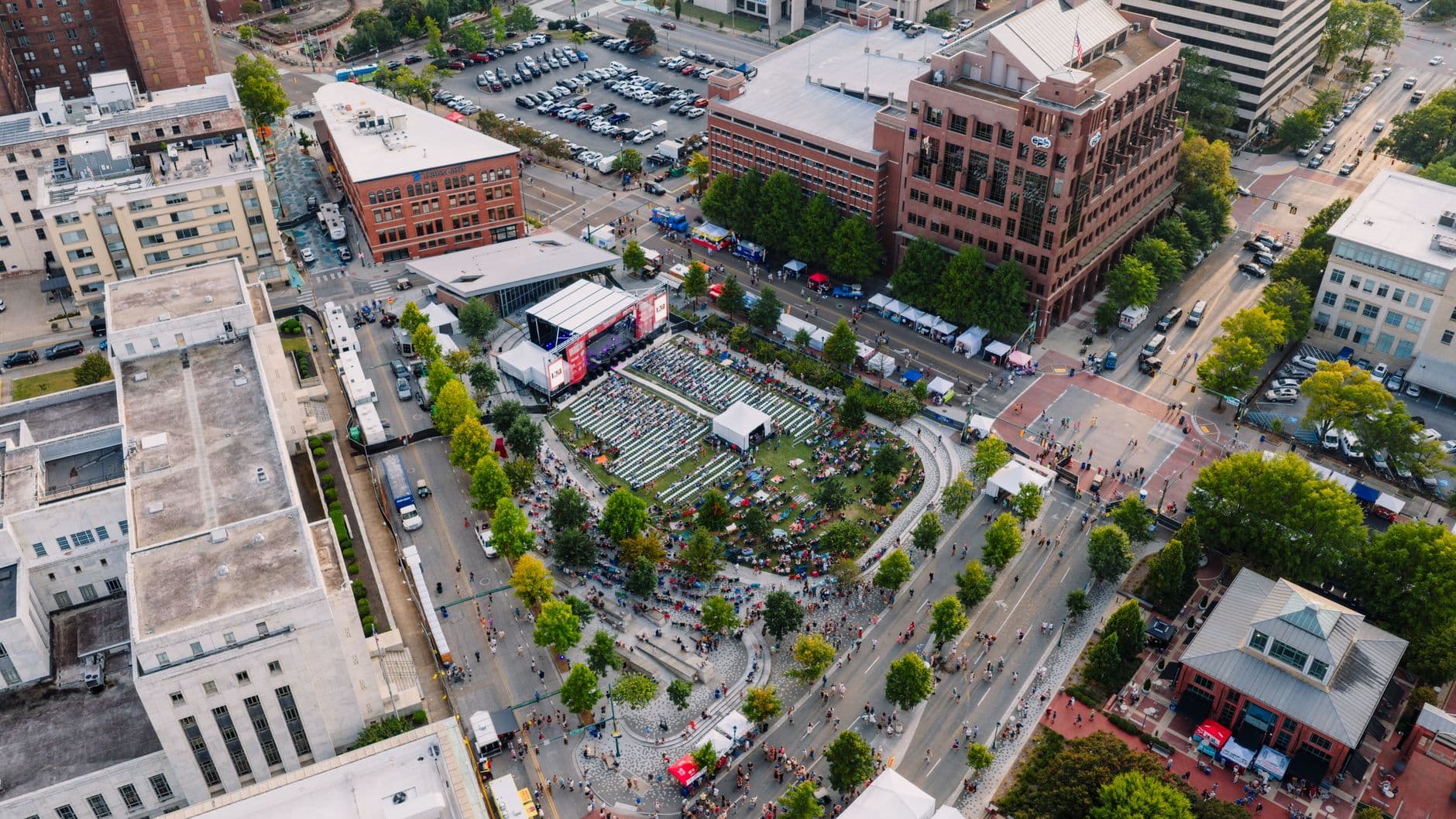
That broader debate hung over the festival crowd in downtown Raleigh. The event was a public-confidence test as much as a summer celebration: if families and shoppers returned, the city would have evidence that visible policing and steady programming could keep downtown active. If they stayed away, officials would be left trying to reassure residents with promises that had not yet been earned.
This article was produced by Prism’s automated news system from verified source data, official records, and press releases, then run through automated quality and moderation checks before publishing. The system is built and supervised by the people who set the standards it runs under. Read our full AI policy.
Did this article answer your question?