Raleigh Mother Distributes Gear, Raises Over $1,200 to Remember Son
Susan Plattner of Raleigh collected donations and used them to buy skateboards, scooters and helmets for children across the Triangle on December 26, 2025, in memory of her son Caleb Mehlman who died in 2017. Her effort raised more than $1,200 and partnered with local organizations to distribute gear while drawing attention to the heightened overdose risk during holiday months and the role of fentanyl in recent fatal overdoses.
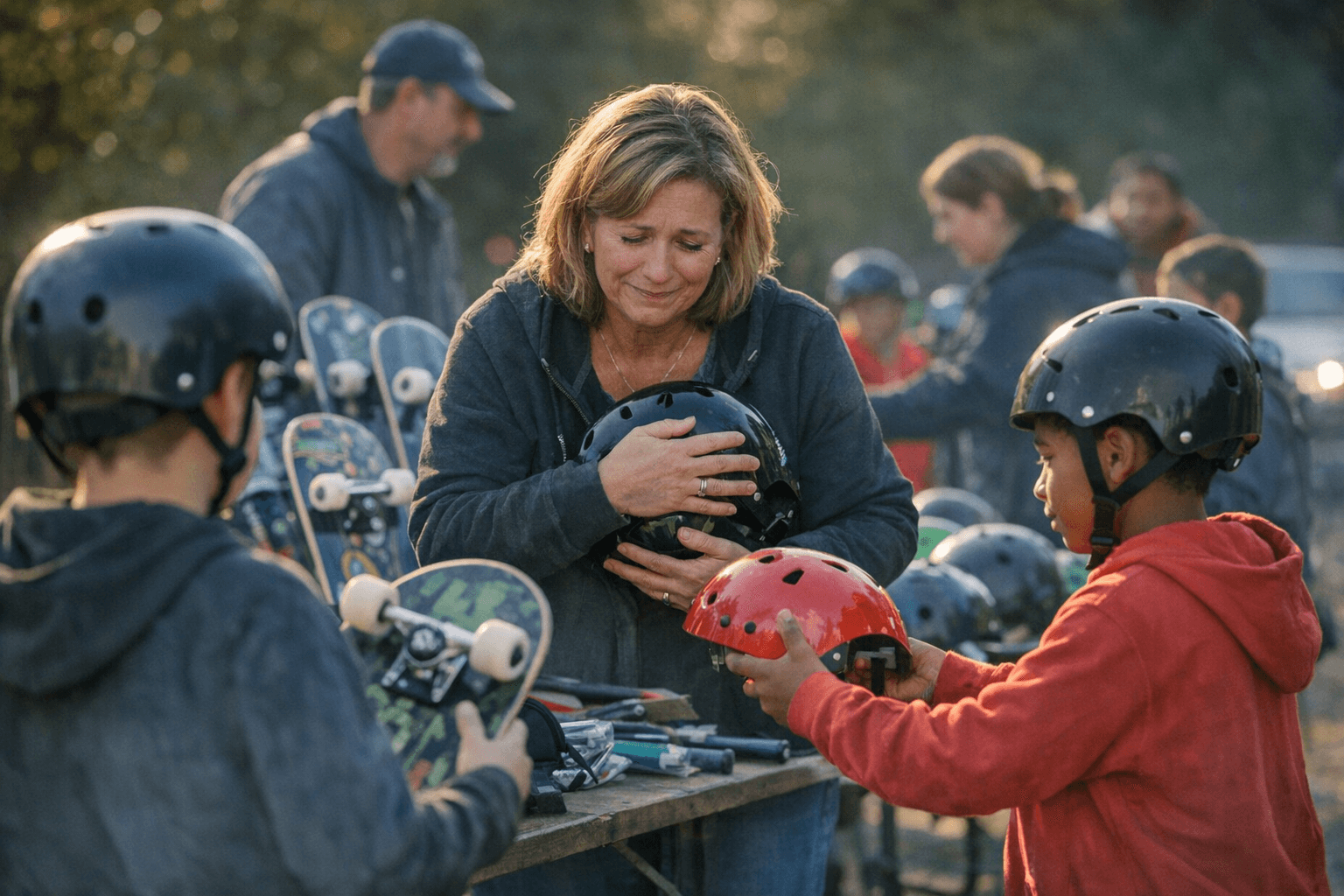
On December 26, 2025, Raleigh resident Susan Plattner completed another year of a personal campaign to turn grief into community support. Plattner spent years collecting donations to buy skateboards, scooters and helmets for children across the Triangle in memory of her son Caleb Mehlman, who died of an accidental drug overdose in 2017. For 2025 she raised more than $1,200 and worked with local groups including the Boys and Girls Club of Wake County and Neighbor to Neighbor to distribute the gear.
Plattner said she uses each gift as an occasion to share her son’s story and to raise awareness about the increased risk of overdose during holiday months. Public health data from the Centers for Disease Control and Prevention show an elevated risk of overdoses around holiday periods, and local investigative reporting has documented fentanyl’s growing role in overdose deaths. Those trends have made Plattner’s combination of tangible child safety items and outreach a form of community level prevention and remembrance.
The distribution focused on young people who might otherwise not receive helmets or recreational equipment. Helmets and properly sized gear reduce injury risk while skateboards and scooters provide low cost, active outlets that community groups say can support healthy activity. Partnering organizations used their existing networks to place items where children gather, stretching the modest fundraisings impact beyond individual families.
For Wake County residents the gesture carries multiple local implications. The immediate benefit is safer play for children who receive helmets and equipment. The broader effect is public awareness at a time when emergency rooms and public health officials note seasonal shifts in overdose calls and hospital visits. Plattner’s annual effort highlights how small scale philanthropy can intersect with prevention messaging and community services.
Plattner’s work also underscores the gap between individual initiatives and larger policy responses. As local and federal health agencies track overdose patterns and the spread of fentanyl, community driven distributions and awareness campaigns can complement prevention, treatment and harm reduction strategies. In Raleigh and across the Triangle, the mix of remembrance and outreach may encourage residents and officials to sustain attention to overdose risks throughout the year.
Know something we missed? Have a correction or additional information?
Submit a Tip