Raleigh police arrest suspect in 2001 sexual assault cold case
Raleigh police used modern DNA work to arrest a suspect in a 2001 sexual assault case, signaling that long-delayed rape-kit testing is still reshaping cold-case investigations.
Raleigh police have made an arrest in a 2001 sexual assault case, using forensic tools that were not available, or not fully deployed, when the case first stalled. The move closes a decades-old investigation and underscores how DNA testing, the Combined DNA Index System and the Sexual Assault Kit Initiative are changing what cold-case justice can look like in Raleigh and Wake County.
Police announced the arrest on Friday, May 29, 2026, and described the case as a decades-old sexual assault from 2001. Officials have not yet identified the suspect, the charges, the victim’s age or the exact location of the assault. Even so, the arrest marks another example of Raleigh police revisiting older cases through evidence that can now be tested, re-tested and compared against national databases.
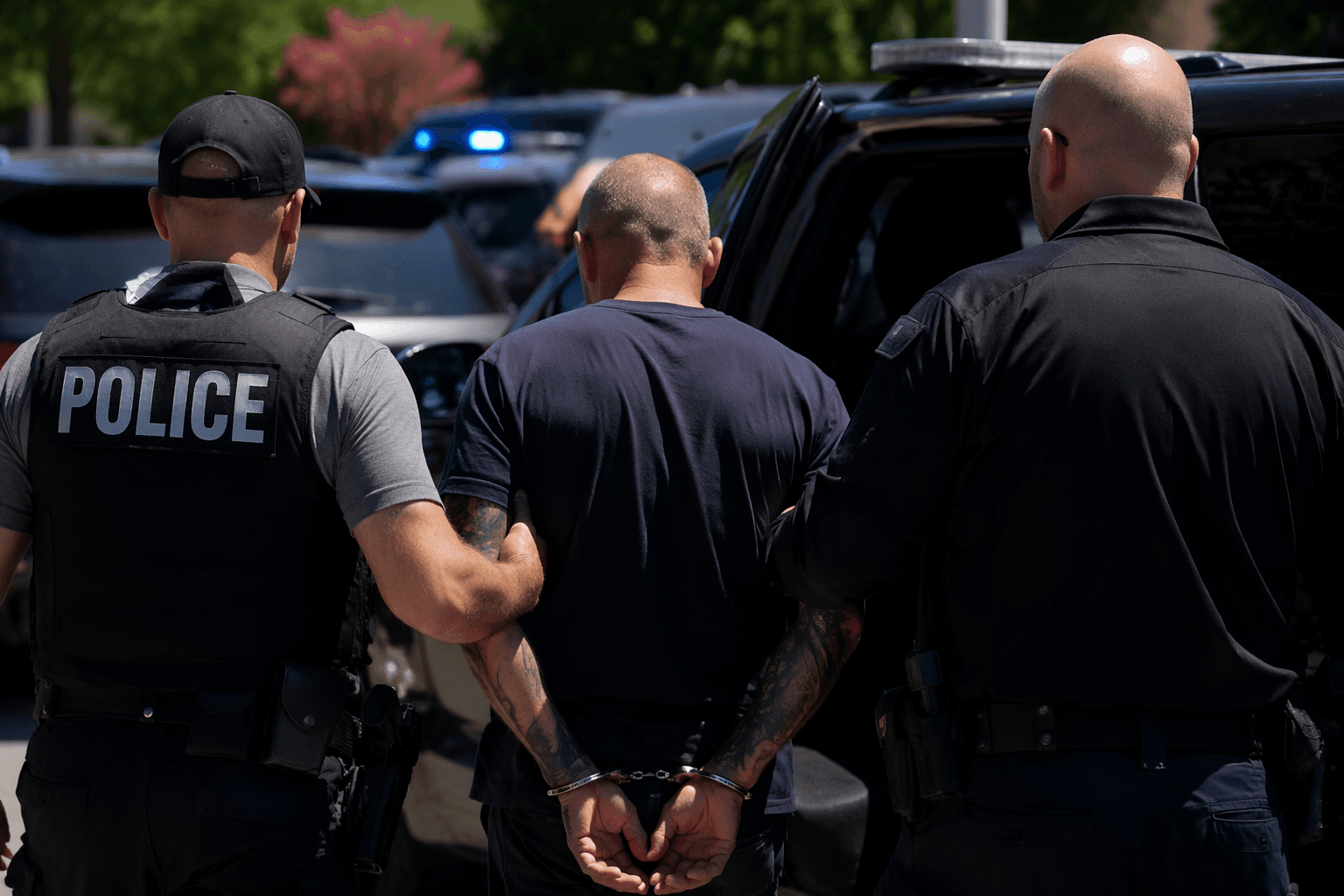
The department has increasingly relied on DNA work in older sexual assault investigations. In prior cold-case arrests, Raleigh police said delayed testing of rape kits and improved DNA technology made the difference. In 2023, police announced an arrest in a 1998 sexual assault cold case after delayed DNA testing. In March 2024, Raleigh police said charges had been filed in three sexual assault cold cases tied to one suspect after rape kits were tested. In another 2024 case, police said a positive CODIS match led to an arrest in a cold-case rape investigation.
Those cases show how a single biological sample can sit for years before a laboratory result or database match gives investigators a path forward. CODIS, the national DNA database used by law enforcement, has become central to that process. Raleigh police have also used the North Carolina Department of Justice’s Sexual Assault Kit Initiative, which has helped move older kits through testing and into cases that can be prosecuted.
The latest arrest matters beyond one investigation. It adds to a growing record in Raleigh that old cases can still move when agencies invest in evidence testing and database comparisons. It also fits with how the Raleigh Police Department has described its broader mission on public-facing crime and records pages, where the department says it aims to build community trust and improve safety.
For survivors and families who have waited years for answers, the arrest is another sign that a case does not disappear just because it goes cold. In Raleigh, the backlog is being revisited case by case, with modern forensic work giving law enforcement a second chance at accountability.
This article was produced by Prism’s automated news system from verified source data, official records, and press releases, then run through automated quality and moderation checks before publishing. The system is built and supervised by the people who set the standards it runs under. Read our full AI policy.
Know something we missed? Have a correction or additional information?
Submit a Tip