Raleigh tightens water restrictions as drought lowers Falls Lake levels
Falls Lake’s supply pool has slipped to 69%, and Raleigh is using code enforcement and metering to police lawn watering across Wake County.
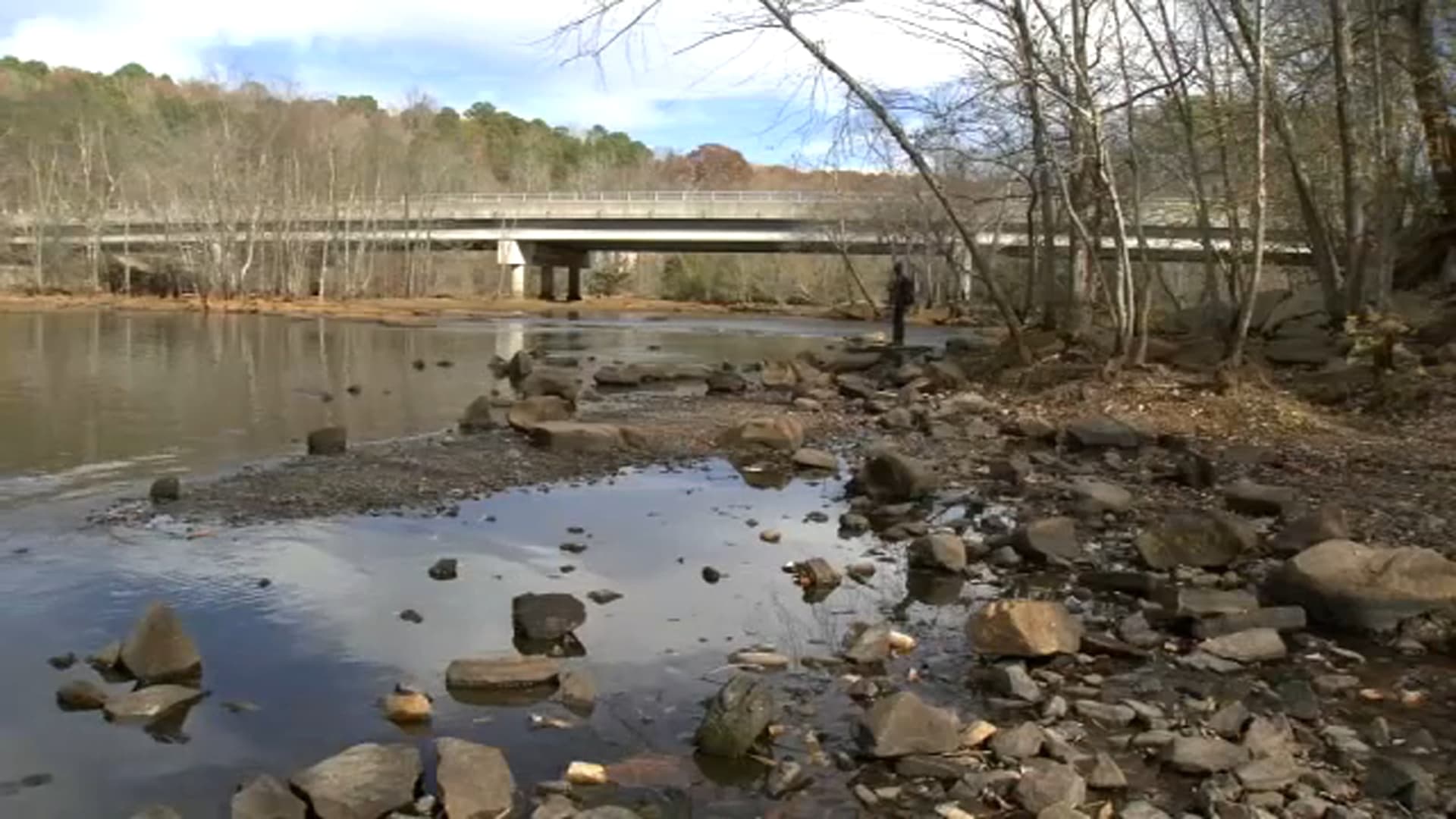
Raleigh is tightening its watch on water use as Falls Lake keeps dropping, with the city’s supply pool now at 69% remaining and still below the 85% trigger that pushed Stage 1 restrictions into place. The crackdown reaches beyond Raleigh into Garner, Knightdale, Rolesville, Wake Forest, Wendell, Zebulon and Fuquay-Varina, where ordinary lawn watering is now the most visible target for scrutiny.
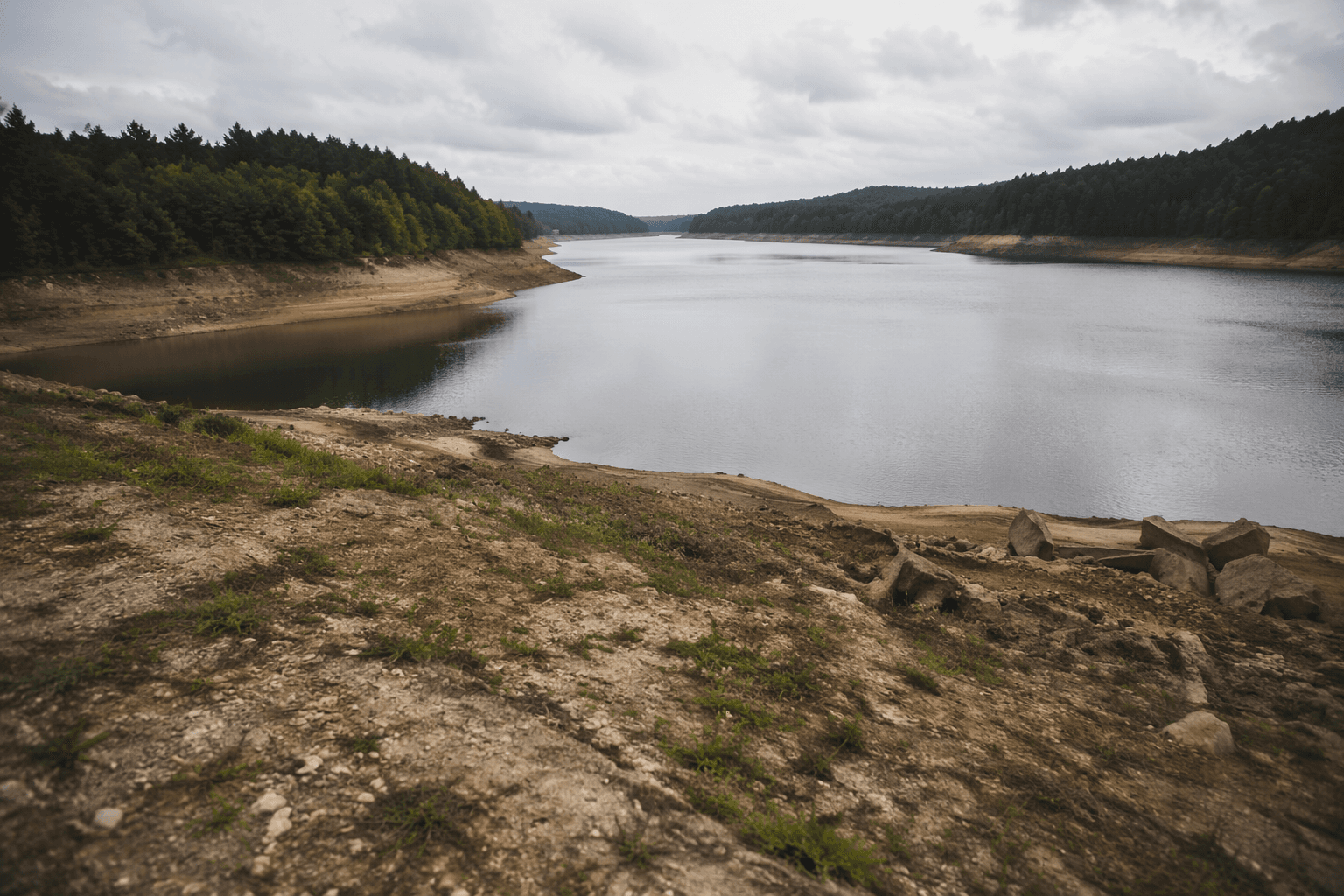
Raleigh Water says central North Carolina is in a severe drought affecting the watersheds that feed Falls Lake and Swift Creek. The city says Falls Lake is its primary drinking-water source and that it has access to about 58% of the lake as its water supply pool, a setup that makes conservation decisions more consequential for homes, businesses and landscaping across Wake County.
Under Stage 1 rules, automatic and non-automatic spray irrigation is limited to midnight through 10 a.m. Odd-numbered addresses may water on Tuesdays, while even-numbered addresses may water on Wednesdays. Hose-end sprinklers are restricted to 6 a.m. to 10 a.m. or 6 p.m. to 10 p.m. Handheld hoses, drip irrigation, soaker hoses and handheld spray nozzles may be used at any time.
The city says enforcement will start with education and warnings before moving to code enforcement, and it will also use metering technology to monitor compliance. That puts the greatest pressure on residents and property managers who rely on automatic systems, along with landscapers trying to keep new plantings alive during the drought. A city notice says new landscaping installed after April 20 does not qualify for watering exemptions, while some existing landscaping may receive a 10-day variance if proof of installation is provided.
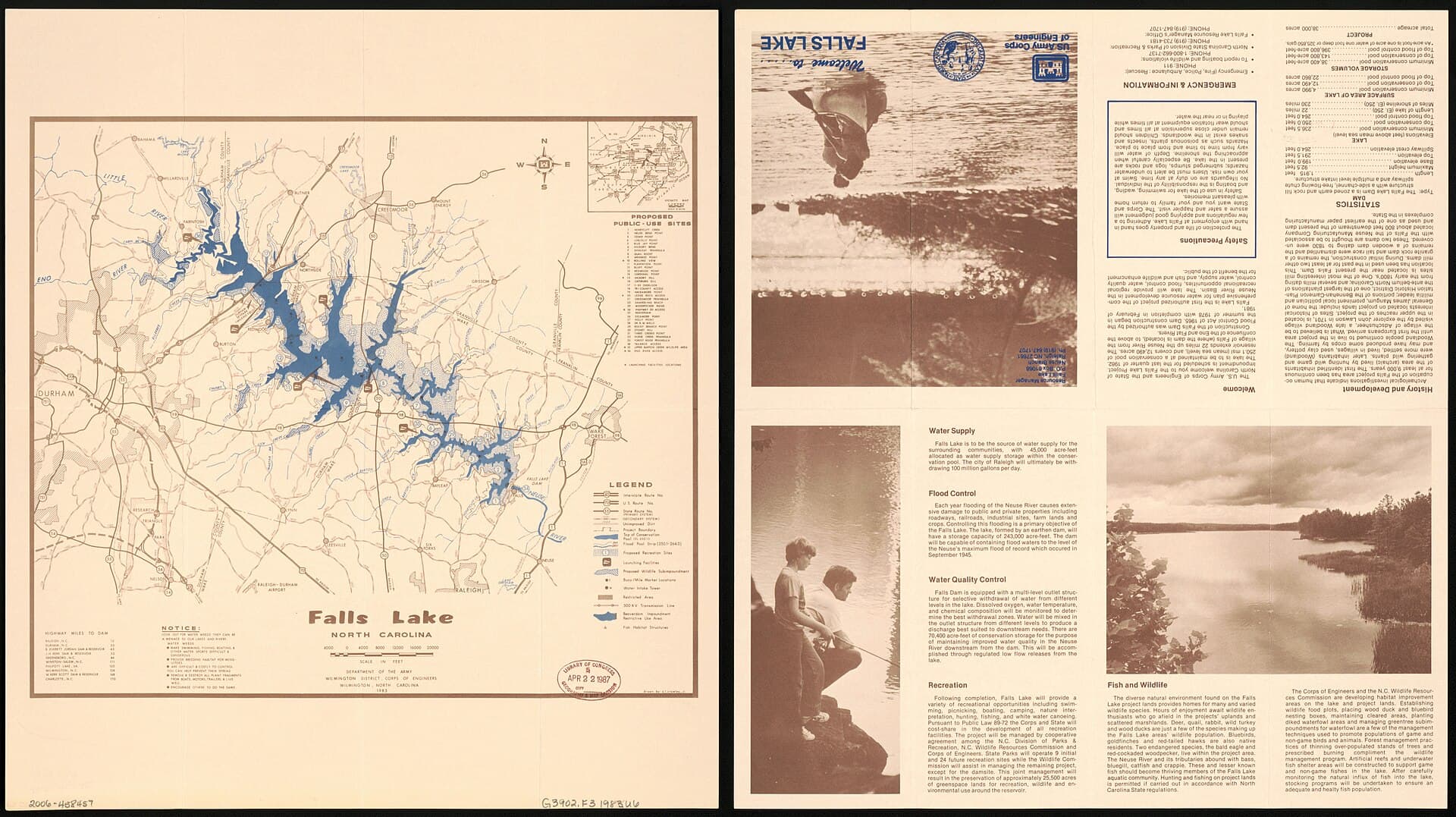
Ed Buchan, Raleigh’s environmental coordinator, said the restrictions could last through at least June and possibly longer, depending on rainfall. Raleigh says its shortage response plan is based on more than 100 years of data and the lake’s natural fill-and-drawdown cycle, and officials note that 5.6 billion gallons were added to the Falls Lake supply pool in 2019, making today’s triggers more conservative than before.
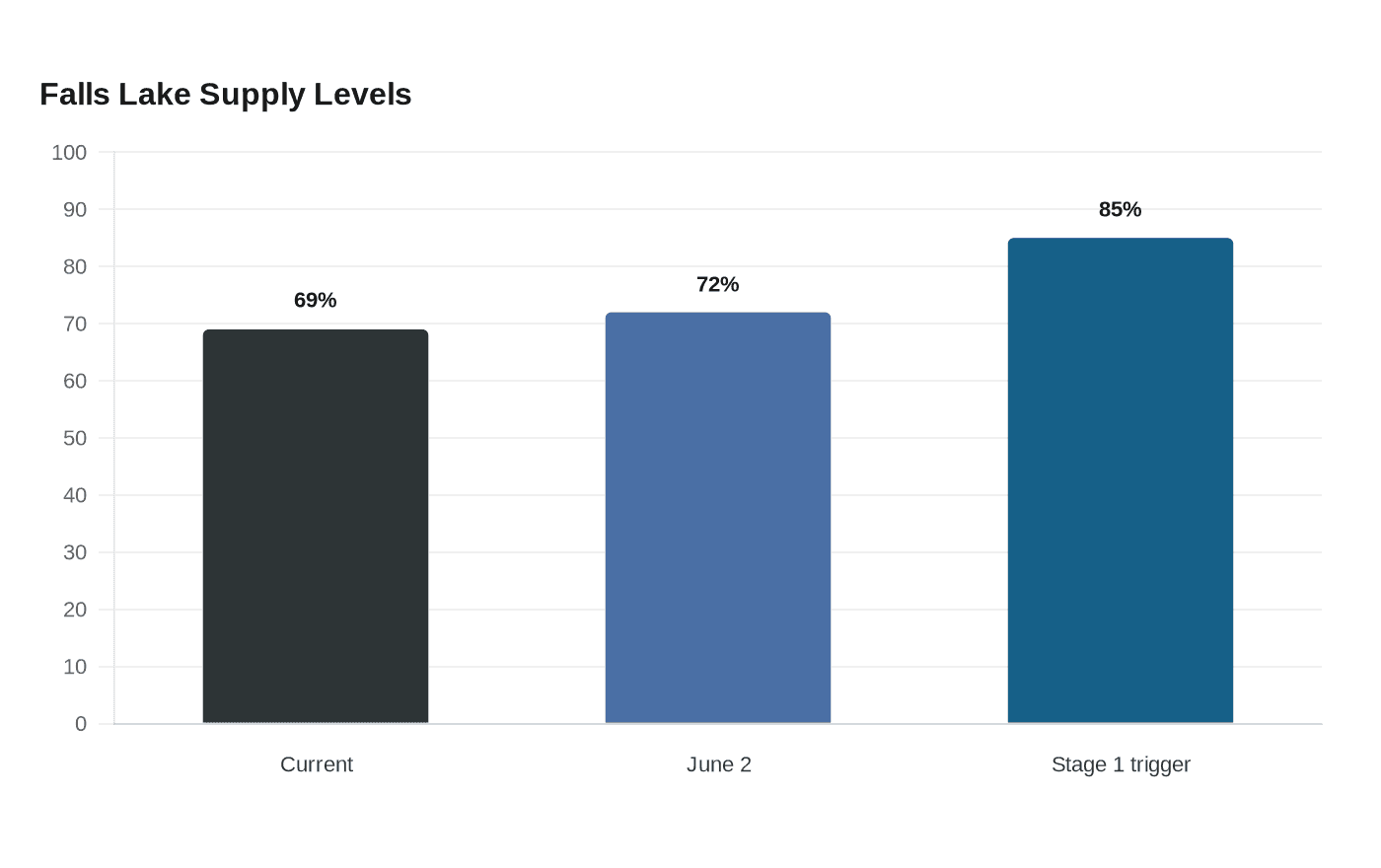
The pressure on the system was already visible June 2, when Raleigh water customers used about 61.9 million gallons a day, up roughly 2 million gallons from the week before, even as Falls Lake fell to 72% of supply and 4.4 feet below lake level. Drought.gov says 900,993 people in Wake County are affected, with April 2026 ranking as the fourth driest April on record and January through April 2026 the driest year-to-date period in 132 years. For Raleigh households, the message is clear: small violations around sprinklers and lawn watering now carry bigger consequences because the lake has less room to give.
This article was produced by Prism’s automated news system from verified source data, official records, and press releases, then run through automated quality and moderation checks before publishing. The system is built and supervised by the people who set the standards it runs under. Read our full AI policy.
Know something we missed? Have a correction or additional information?
Submit a Tip