Wake leaders target apartment tax loophole costing millions
Wake County says 137 apartment exemptions covered $2.2 billion in 2025, up from about $290 million in 2021, after a 2013 court ruling widened the tax break.
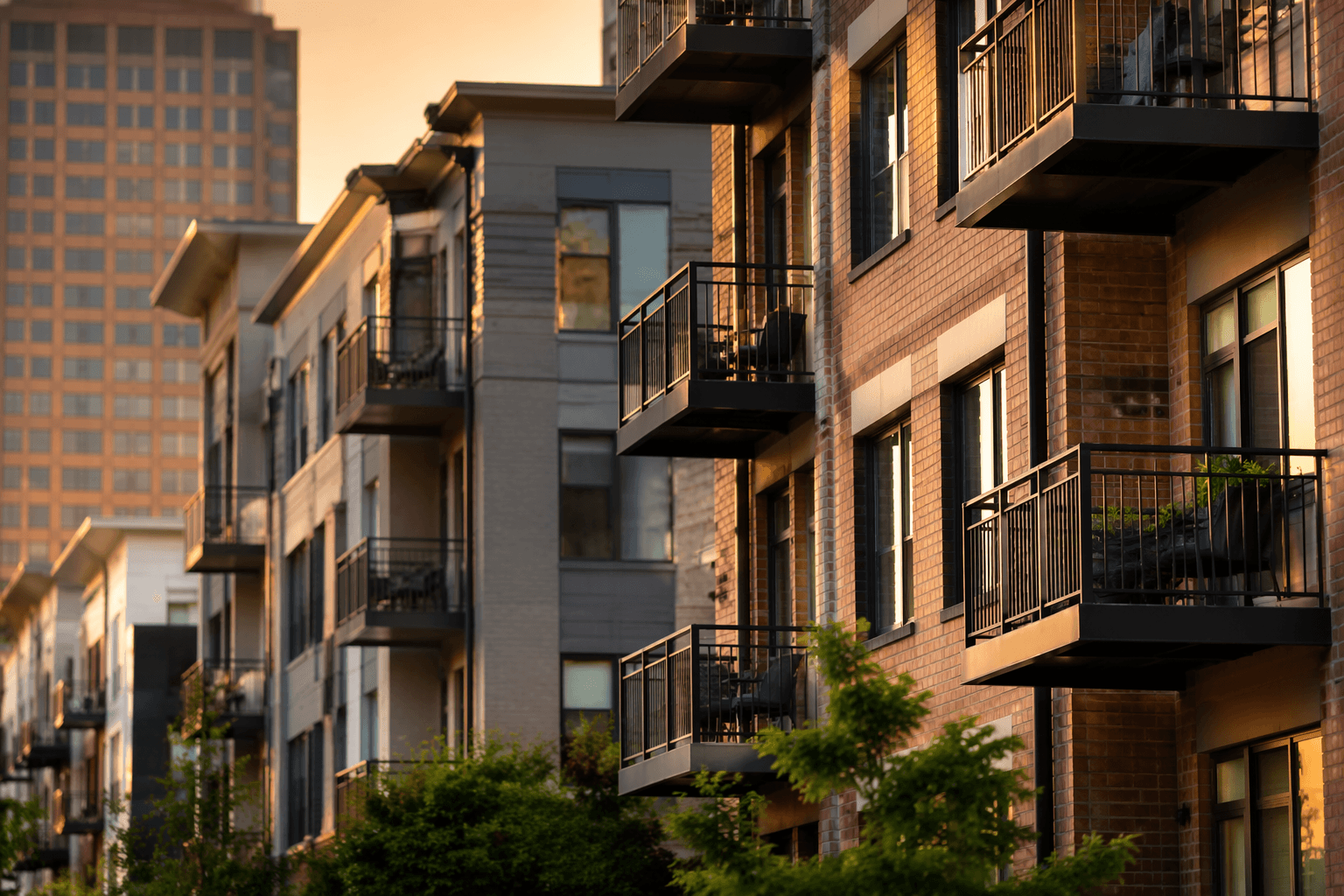
Wake County leaders are moving to shut down an apartment tax break they say has quietly drained millions from local budgets and shifted more of the load onto homeowners. In 2025 alone, 137 properties qualified for the exemption, covering about $2.2 billion in exempt value, a sharp jump from about $290 million in 2021.
The dispute traces to Blue Ridge Housing of Bakersville LLC, a North Carolina Court of Appeals case filed March 19, 2013, and later taken up by the state Supreme Court in January 2014. That decision became the legal foundation for how some low-income housing projects can qualify for ad valorem property tax relief, and the UNC School of Government said it gave courts the first approved test for how much ownership is enough to meet the exemption standard. The original case involved Cane Creek Village, a 24-apartment low-income housing project in Bakersville.
Wake officials say the ruling opened the door far beyond what lawmakers intended. County leaders now argue that for-profit apartment owners and investors can pair with a nonprofit, transfer a small ownership interest, and qualify developments for a tax exemption meant to support genuinely nonprofit affordable housing. One Wake County property’s tax bill reportedly dropped from $812,506.28 in 2024 to $9,440.95 in 2025 after qualifying.
The growth has been fast enough to jolt county budget writers. Wake County commissioners approved a roughly $2.28 billion budget this year that included a two-cent property tax increase, and county manager David Ellis has tied part of the pressure to the Blue Ridge loophole and other unmet costs. The county’s tax rate is listed at .5171 per $100 of valuation before city and special district rates are added, meaning the loss of taxable value can ripple through the bills paid by Raleigh and Wake County homeowners.
The issue has also reached the General Assembly. House Bill 1042, filed April 23, 2026, would update and modify the nonprofit low- or moderate-income housing property tax exemption, and a House committee advanced the proposal in May. Supporters say the state needs to tighten the rules so tax relief goes to housing that truly serves a public purpose, not to market-rate apartment projects with a nonprofit partner attached.
For Wake County, the fight is now about more than one court ruling. County leaders say the precedent has been on the books for more than a decade, the exempt base has surged from 66 properties in 2020 to 137 in 2025, and local taxpayers are left covering the gap unless state law changes.
This article was produced by Prism’s automated news system from verified source data, official records, and press releases, then run through automated quality and moderation checks before publishing. The system is built and supervised by the people who set the standards it runs under. Read our full AI policy.
Know something we missed? Have a correction or additional information?
Submit a Tip