SPCA Waives Adoption Fee for 7-Year-Old Dog Hockey
On Jan. 2 the SPCA of Wake County highlighted Hockey, a 7-year-old neutered male dog whose adoption fee was waived through a grant from The Grey Muzzle Organization. The waiver removes a financial barrier for local families and draws attention to the benefits of adopting older dogs for community wellbeing and social equity.
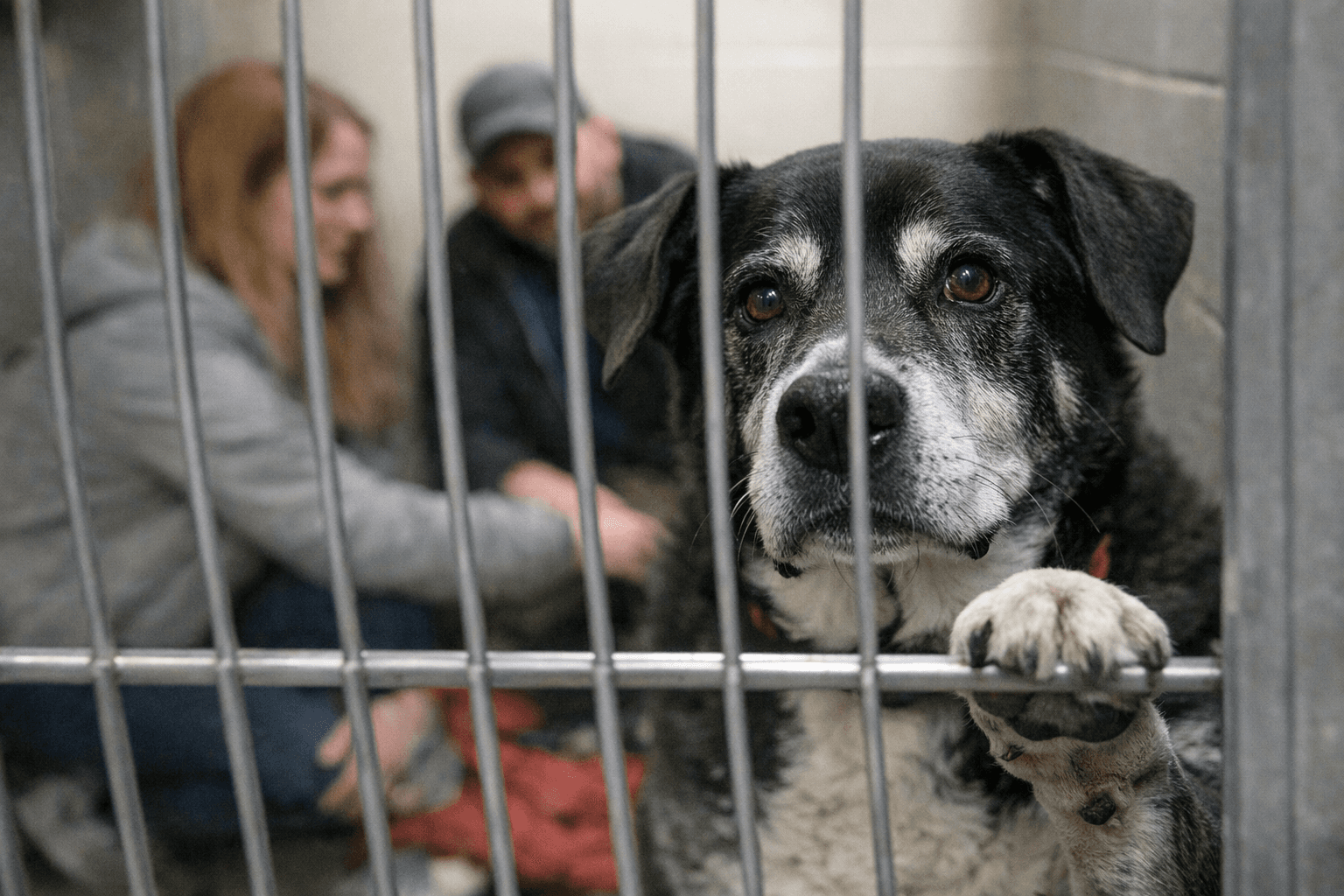
The SPCA of Wake County announced on Jan. 2 that Hockey, a 7-year-old neutered male dog weighing 78 pounds, was featured as the agency’s Pet of the Day and that his adoption fee had been waived through a grant from The Grey Muzzle Organization. Known for enjoying ear massages and for flopping over for belly rubs when meeting new people, Hockey represents an older dog who may otherwise face obstacles to being adopted.
Waiving adoption fees for older animals can make a tangible difference in Wake County households where up-front costs deter people from adopting. For many residents, especially those on tight budgets or caring for older family members, even modest fees can be a barrier. Removal of that cost increases the likelihood that a friendly, social dog like Hockey will find a permanent home, reducing the shelter population and associated stress on animal welfare services.
The public health implications are notable. Pet ownership is linked in research to improvements in mental health, reduced social isolation and increased physical activity for many people. Older dogs are often calmer and well suited to families with children, older adults and people with limited mobility. By promoting the adoption of an older dog and covering fees through philanthropic support, the SPCA’s effort can strengthen community connections and help address disparities in access to companion animals.
The involvement of a grantmaker to cover adoption fees also raises questions about sustainability and policy. Grants can temporarily bridge gaps, but systemic change often requires ongoing investment in low-cost veterinary care, accessible adoption services and housing policies that allow companion animals. For Wake County, partnerships between nonprofit shelters, philanthropic organizations and local policymakers could expand programs that reduce barriers to adoption and improve animal and human well-being.
Hockey’s profile, affectionate, sizable and ready to roll over for attention, illustrates the type of animal that benefits most from targeted support. When adoption agencies and funders prioritize older dogs, the community gains pets that can provide steady companionship without some of the demands of younger animals. For residents considering a new companion, Hockey’s waived fee removes one obstacle; for the wider community, the case highlights how targeted funding can promote social equity in access to the health and emotional benefits of pet ownership.
This article was produced by Prism’s automated news system from verified source data, official records, and press releases, then run through automated quality and moderation checks before publishing. The system is built and supervised by the people who set the standards it runs under. Read our full AI policy.
Did this article answer your question?