Triangle mourns Steve Stroud, key backer of Hurricanes move to Raleigh
Steve Stroud died at 83, leaving behind a 50-year real-estate career and a legacy tied to the Hurricanes’ 1997 move to Raleigh.

Steve Stroud, the Triangle developer who helped bring the Carolina Hurricanes to Raleigh, died at 83, and the loss is rippling through the region’s sports and business circles. E. Stephen Stroud spent 50 years in Triangle real-estate development, a run that helped shape commercial projects and the dealmaking that made professional hockey part of Wake County’s civic identity. His death has prompted tributes from developers, media figures and longtime hockey fans who still mark the franchise’s arrival as a turning point for Raleigh.
The milestone most closely tied to Stroud came on May 6, 1997, when the Hartford Whalers announced their move to Raleigh. WRAL’s 25th anniversary coverage of the franchise says that relocation made the Carolina Hurricanes the first NHL team in North Carolina. For a city still building its profile, the move changed more than the scoreboard. It gave Raleigh a major-league anchor, widened the region’s sports identity and helped draw more activity to the arena area through event traffic, restaurants and the visibility that comes with a permanent pro franchise.
Stroud’s development record stretched back much further. Business North Carolina said he started NAI Carolantic Realty in 1972, beginning a career that made him one of the Triangle’s most influential commercial real-estate figures. His work overlapped with a broader push to position Raleigh for major-league sports, a vision also tied in local history accounts to John Odom and the Greater Raleigh Merchants Association, which helped build support for the Hurricanes’ arrival.
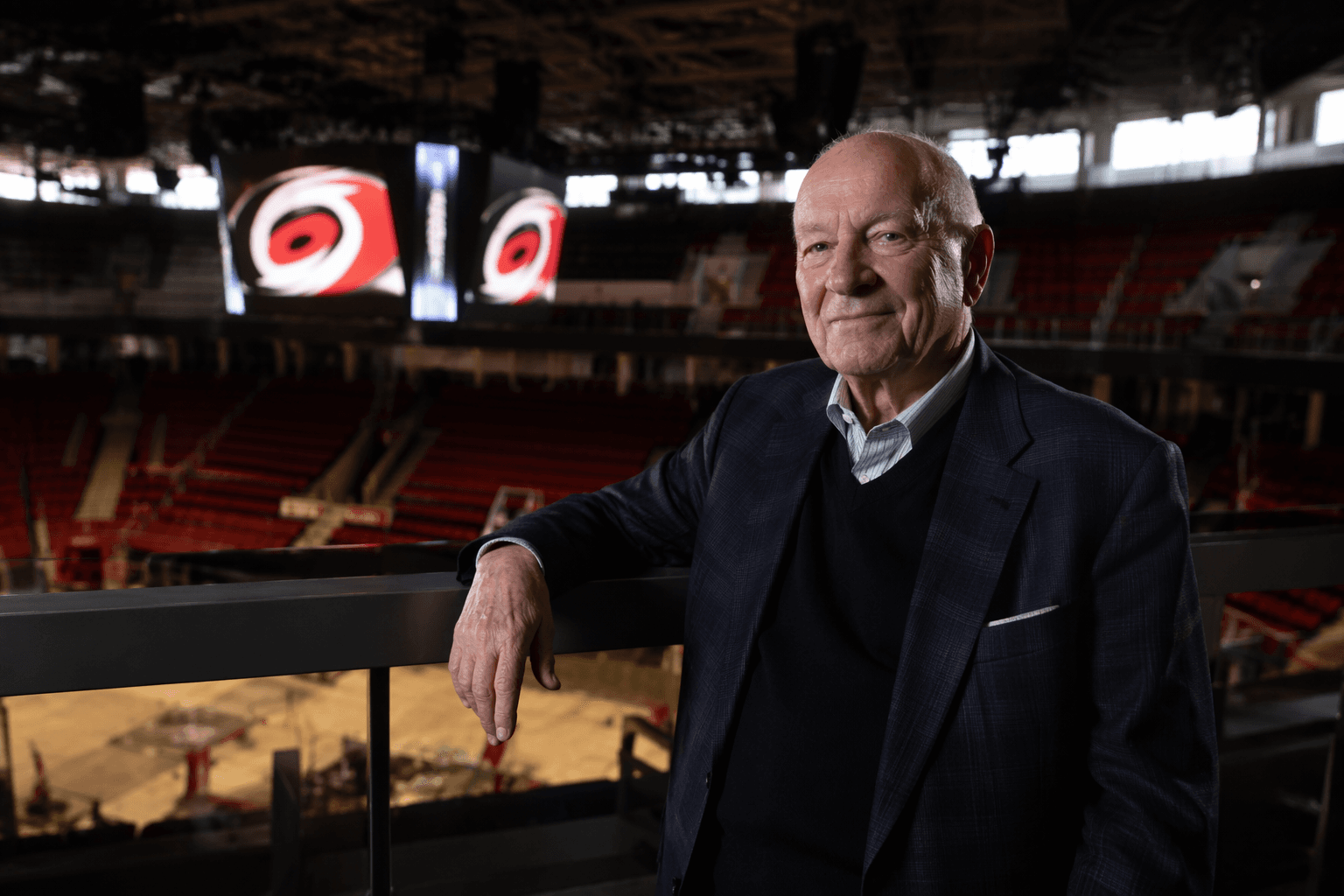
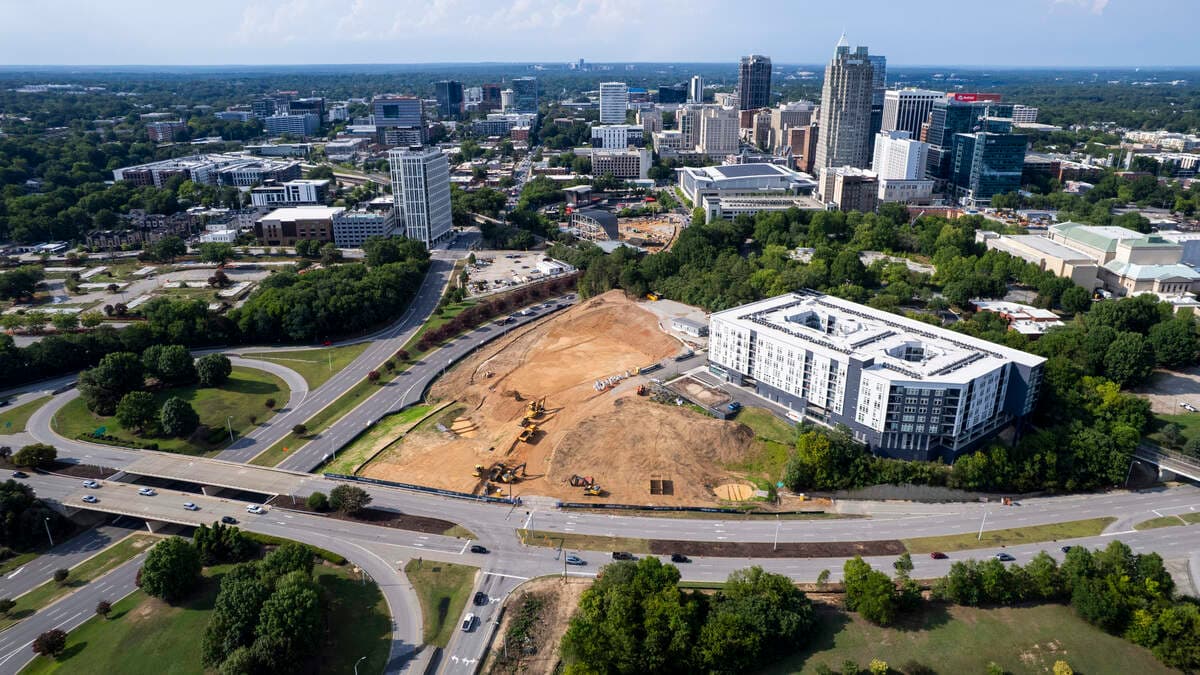
That overlap between sports and development is part of why Stroud’s death carries weight in Wake County. The same public-private machinery that helped land the Hurricanes also influenced the pace of growth around downtown Raleigh and the arena complex that later became a focal point for concerts, playoff crowds and regional attention. Stroud was also connected with the Centennial Authority, linking him directly to the arena-side decisions that helped shape the city’s modern sports economy.
Tri Properties honored Stroud in a tribute posted July 13, saying his influence could be seen across major commercial developments, civic initiatives and economic development successes. In a region still defined by rapid growth, his career stands as a reminder that Raleigh’s rise as a sports city depended not only on teams and fans, but on local dealmakers willing to take on the risk of building the stage first.
This article was produced by Prism’s automated news system from verified source data, official records, and press releases, then run through automated quality and moderation checks before publishing. The system is built and supervised by the people who set the standards it runs under. Read our full AI policy.
Did this article answer your question?