Wake County heat and drought hurt farmers market sales
Plant sales at Raleigh’s State Farmers Market slowed as heat, drought and water restrictions pushed customers to cut back, even after rain brought brief relief.
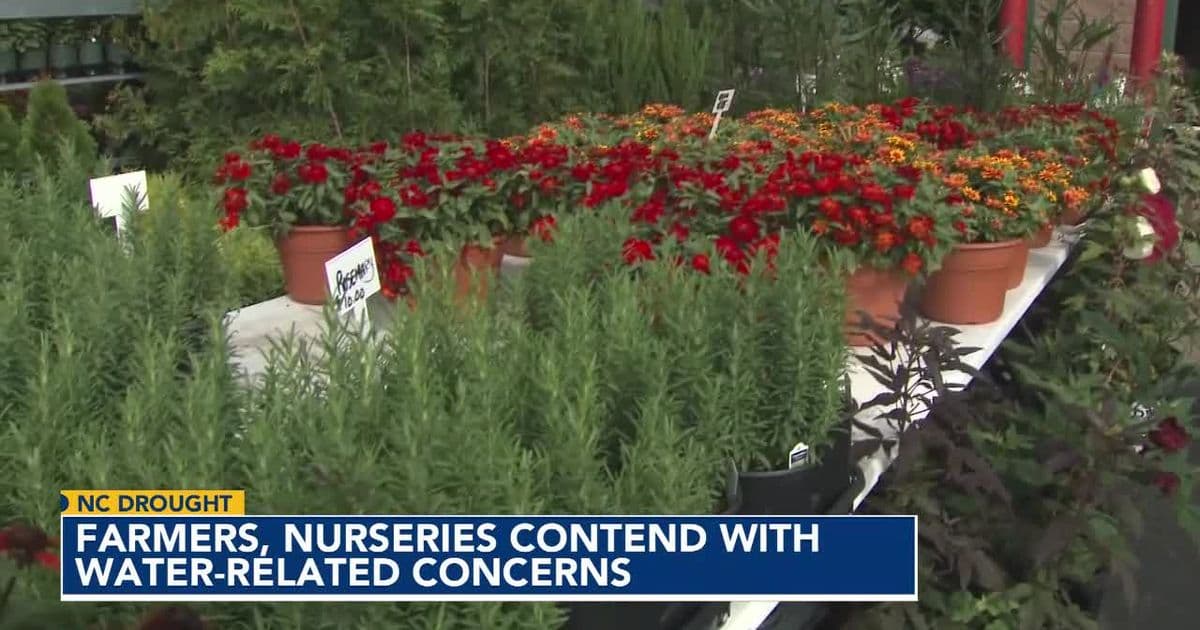
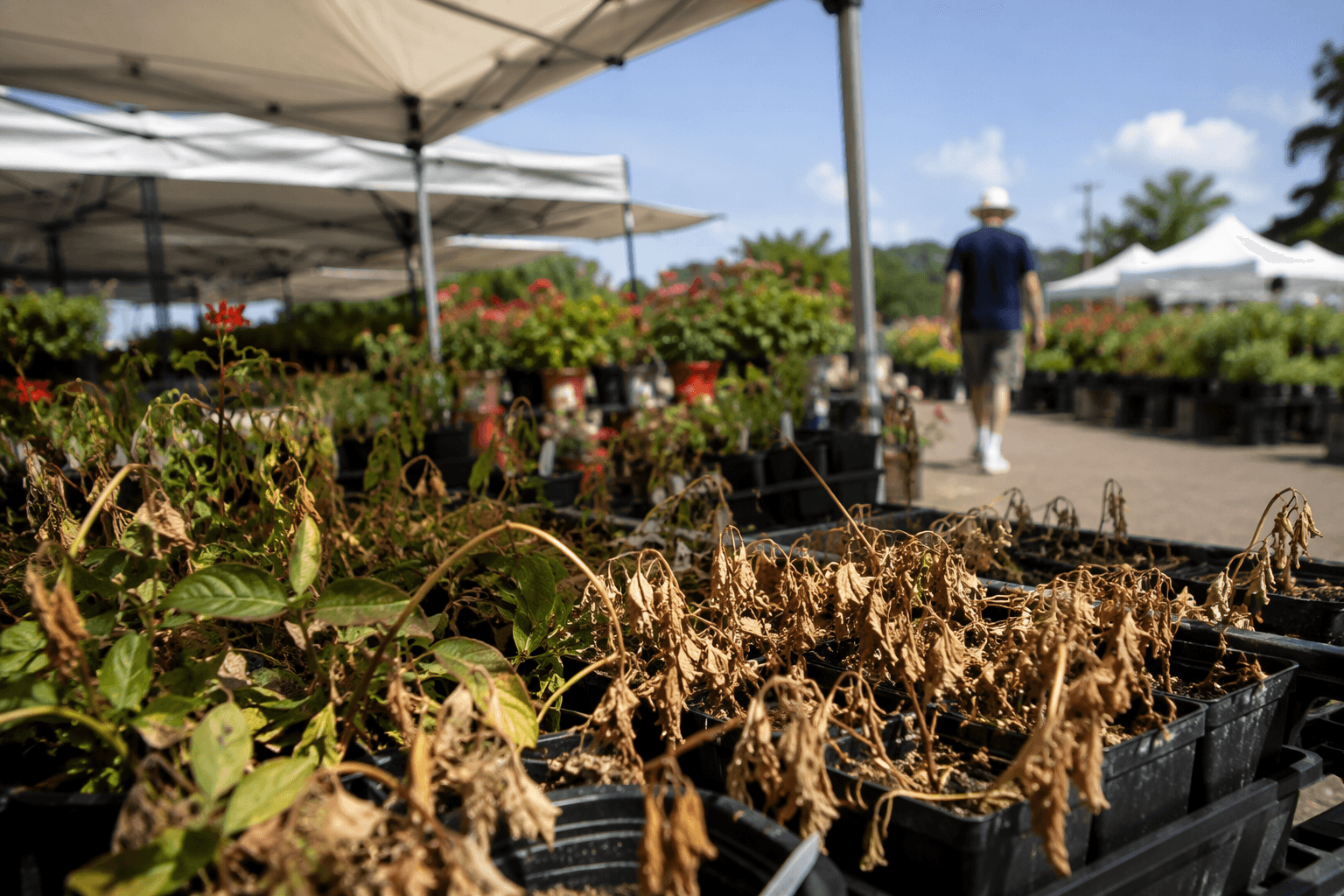
Customers have been cutting back on plant purchases at Raleigh’s State Farmers Market, and vendors said summer business has been slower than in previous years as heat and drought tightened pressure on growers and shoppers alike. Recent rainfall brought some relief, but prolonged dry conditions and an ongoing heat wave continued to weigh on sales.
The strain reaches beyond the weather. The State Farmers Market, described by the North Carolina Department of Agriculture and Consumer Services as a year-round site for locally grown produce and plants, depends on summer traffic to support nurseries, landscapers and plant sellers through slower stretches. When households worry about watering or keeping new plantings alive, the impact shows up quickly at the register.
The drought has been broad across Wake County and the Triangle. ABC11 reported in May that nearly 60% of North Carolina was affected by extreme drought, including roughly 95% of Wake County. WRAL said summer thunderstorms later added a foot of water to Falls Lake, but extreme and exceptional drought still persisted across central and eastern North Carolina.
Those conditions have also fed into local water rules. Raleigh’s restrictions went into effect April 20, and on July 7 the Raleigh City Council approved changes that could allow the city to move to Stage 2 restrictions earlier than previously planned. Raleigh Water said 46% of outdoor irrigation meters checked over a five-day period were violating water conservancy rules, a sign that conservation problems were still showing up in daily use across the city.
At the market, that pressure has affected both buyers and sellers. Vendors said business was running slower this summer than in past years, and customer interest in plants has softened as water restrictions and drought conditions make people more cautious about adding to landscapes. One vendor described the soil at the market as “beach sand,” a reminder of how dry conditions have changed the ground growers are working with.
The picture at the State Farmers Market suggests a business problem as much as a climate one. With yields harder to predict, customer traffic thinner and watering rules tighter, small operators have less cushion to absorb another hot, dry stretch. If the pattern holds, Wake County shoppers could see fewer plant choices and more pressure on the vendors who supply them.
This article was produced by Prism’s automated news system from verified source data, official records, and press releases, then run through automated quality and moderation checks before publishing. The system is built and supervised by the people who set the standards it runs under. Read our full AI policy.
Did this article answer your question?