Wake County meals tax bill would reallocate town revenue shares
A Garner-centered Wake County bill would shift meals tax money among towns, putting restaurant tax dollars and local spending priorities back in play.
House Bill 1215 would remake how Wake County towns share the money from a 1% meals tax that has been feeding local budgets since 1993. The proposal, filed by Rep. Erin Paré and later listed with Rep. Sarah Schietzelt as a primary sponsor, is aimed at Garner and other Wake municipalities that help generate prepared food and beverage tax revenue.
The bill’s short title in legislative records is Garner Mgr/Wake Munic. Meals Tax Reallocation. Its text says it is meant to promote fairness among Wake County municipalities that generate prepared food and beverage tax revenues by allowing those towns to receive their proportional share and use the money more directly.
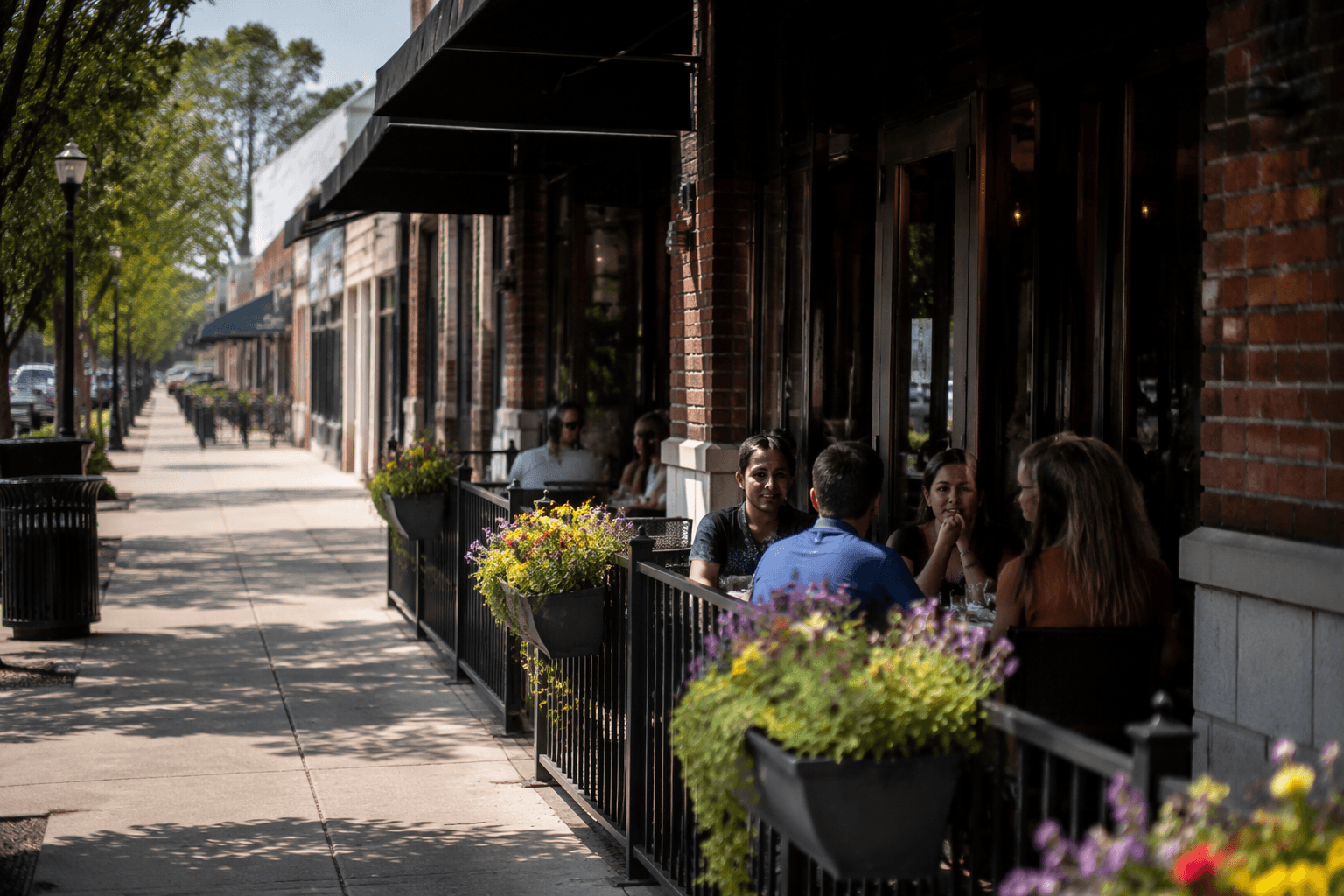
That matters because the tax is not a side issue for town halls. Wake County levies the 1% Prepared Food and Beverage Tax through its tax administration department, and county materials describe it as a gross receipts tax collected on prepared food and beverages, including items altered by preparing, combining, dividing, heating or serving for immediate human consumption. In practical terms, it reaches the restaurant tabs, takeout orders and hospitality spending that flow through places like Raleigh, Cary, Apex, Wake Forest, Holly Springs and Garner.
For towns, the money can help pay for community priorities that compete every budget season with police, parks, downtown improvements, events and infrastructure. A change in how the revenue is divided could give some municipalities more control over those dollars while leaving others with less. Wake County itself is part of that equation because the county has long administered the tax and helped set the framework for how the money moves.
Paré’s bill landed in the House Rules, Calendar, and Operations Committee after being introduced in the 2025-2026 session of the North Carolina General Assembly. The Legislative Reporting Service later noted the measure was revised in committee, underscoring how much pressure the proposal places on the existing local revenue balance.
The dispute reaches beyond legislative language. Wake County has become one of North Carolina’s fastest-growing regions, and every tax decision lands in a county where towns are trying to keep pace with new residents, busy commercial corridors and rising demand for local services. A meals tax fight in Wake is ultimately a fight over who gets to decide how the money from local diners and restaurant customers is spent.
This article was produced by Prism’s automated news system from verified source data, official records, and press releases, then run through automated quality and moderation checks before publishing. The system is built and supervised by the people who set the standards it runs under. Read our full AI policy.
Did this article answer your question?