Holly Springs fire trucks lose AC during dangerous Triangle heat wave
Three of Holly Springs’ six front-line fire trucks were without working AC as triple-digit heat hit the Triangle. The failure raised safety concerns for crews and response readiness.
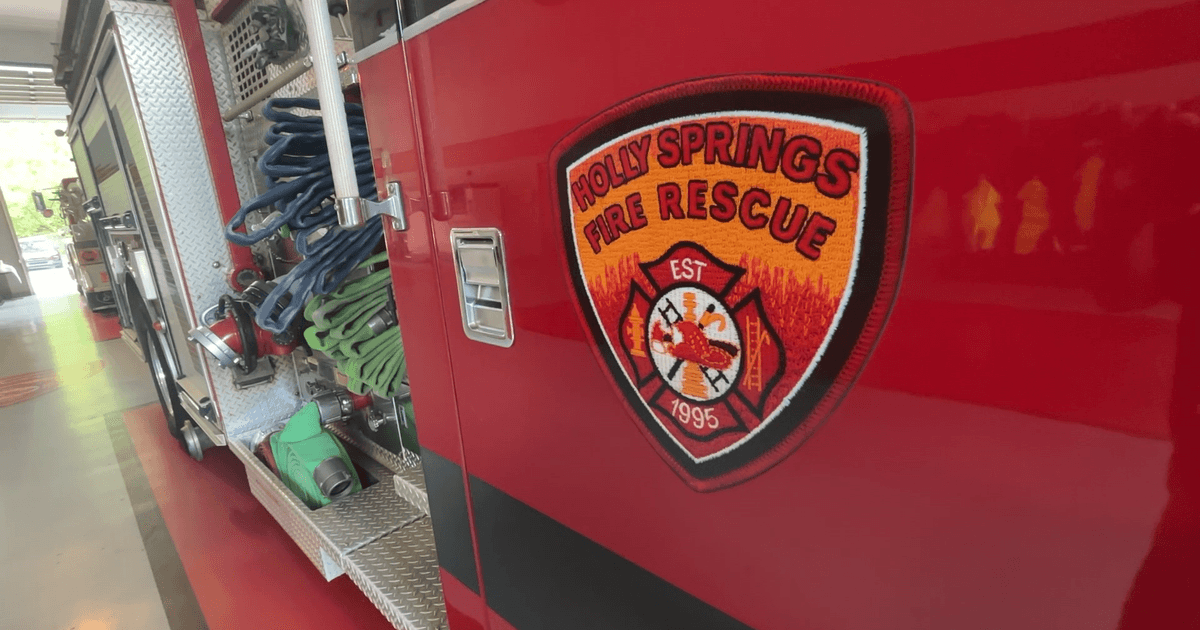
Three of Holly Springs’ six front-line fire trucks were without working AC as triple-digit heat hit the Triangle. The failure raised safety concerns for crews and response readiness.
That matters because firefighters do not work in normal conditions. They wear heavy protective gear, enter hot homes and vehicles, and can face extreme outdoor temperatures before they ever climb into a truck cab. When the cab itself has no air conditioning, the added heat can speed fatigue, complicate hydration and make it harder for crews to stay sharp during a long call.
The issue landed as Wake County and the rest of the Triangle were enduring a brutal stretch of summer heat, with temperatures reaching triple digits on several days in July. Holly Springs, one of the fastest-growing towns in Wake County, relies on its fire department to cover that growth with enough vehicles, staffing and equipment to answer calls without delay. When half of the front-line fleet loses a basic climate-control system, the problem reaches beyond maintenance and into public safety planning.
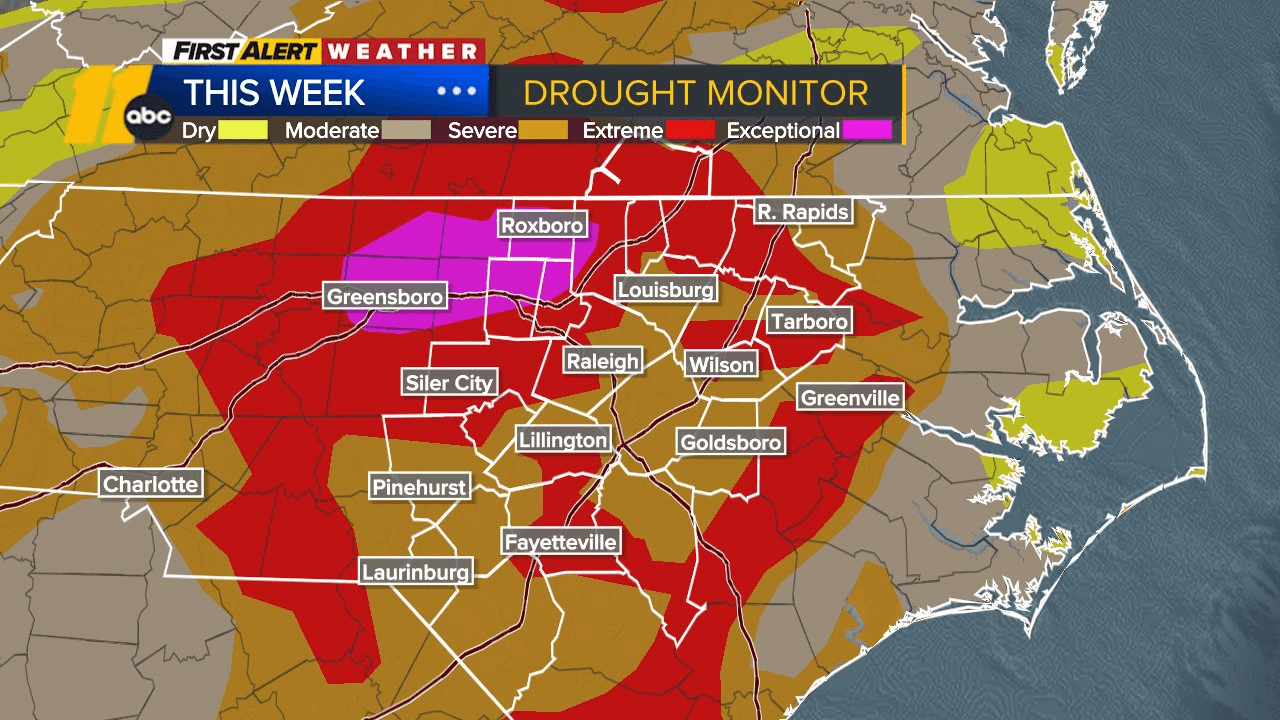
The Town of Holly Springs’ website identifies a Fire Department and, during the same period, posted Stage 1 water restrictions and drought information. That backdrop underscores how much pressure the town was already under as summer conditions strained households, utilities and public agencies across the area.
The truck failures also come as local governments face the cost of keeping fire apparatus in service longer and repairing them as budgets tighten. Separate Wake County coverage has pointed to rising fire-truck costs, a reminder that the price of replacing or fixing emergency vehicles can be substantial even before heat-related breakdowns enter the picture. For residents, the practical question is whether the department can keep enough apparatus ready when the next alarm comes in and the heat has not let up.
The problem became public on July 10, and the fire chief said crews were dealing with hot conditions inside the apparatus. In a town growing as fast as Holly Springs, a fleet with half its front-line trucks missing air conditioning is not a minor equipment story. It is a direct test of how much strain local emergency response can absorb when summer turns dangerous.
This article was produced by Prism’s automated news system from verified source data, official records, and press releases, then run through automated quality and moderation checks before publishing. The system is built and supervised by the people who set the standards it runs under. Read our full AI policy.
Did this article answer your question?