Wake County tightens water restrictions as drought deepens
Raleigh has started fining residents who violate water-use rules, and the city has already logged 102 warnings since restrictions took effect on April 20.
Raleigh has started issuing fines to residents who violate water-use restrictions, and the city has already recorded 102 official warnings since Stage 1 rules took effect on April 20. Holly Springs has also moved to a Stage 1 Water Shortage Alert, while low water at Falls Lake has already closed the Hickory Hill boat ramp.
The restrictions are changing daily routines across Wake County. Under Stage 1, the pressure falls first on outdoor use, including lawn watering and landscape irrigation, which affects homeowners, landscapers and the crews that keep medians, subdivisions and recreation areas green. Raleigh’s water page says the restrictions went into effect April 20 and was updated July 9, showing the policy is still active, not a short-lived reminder.
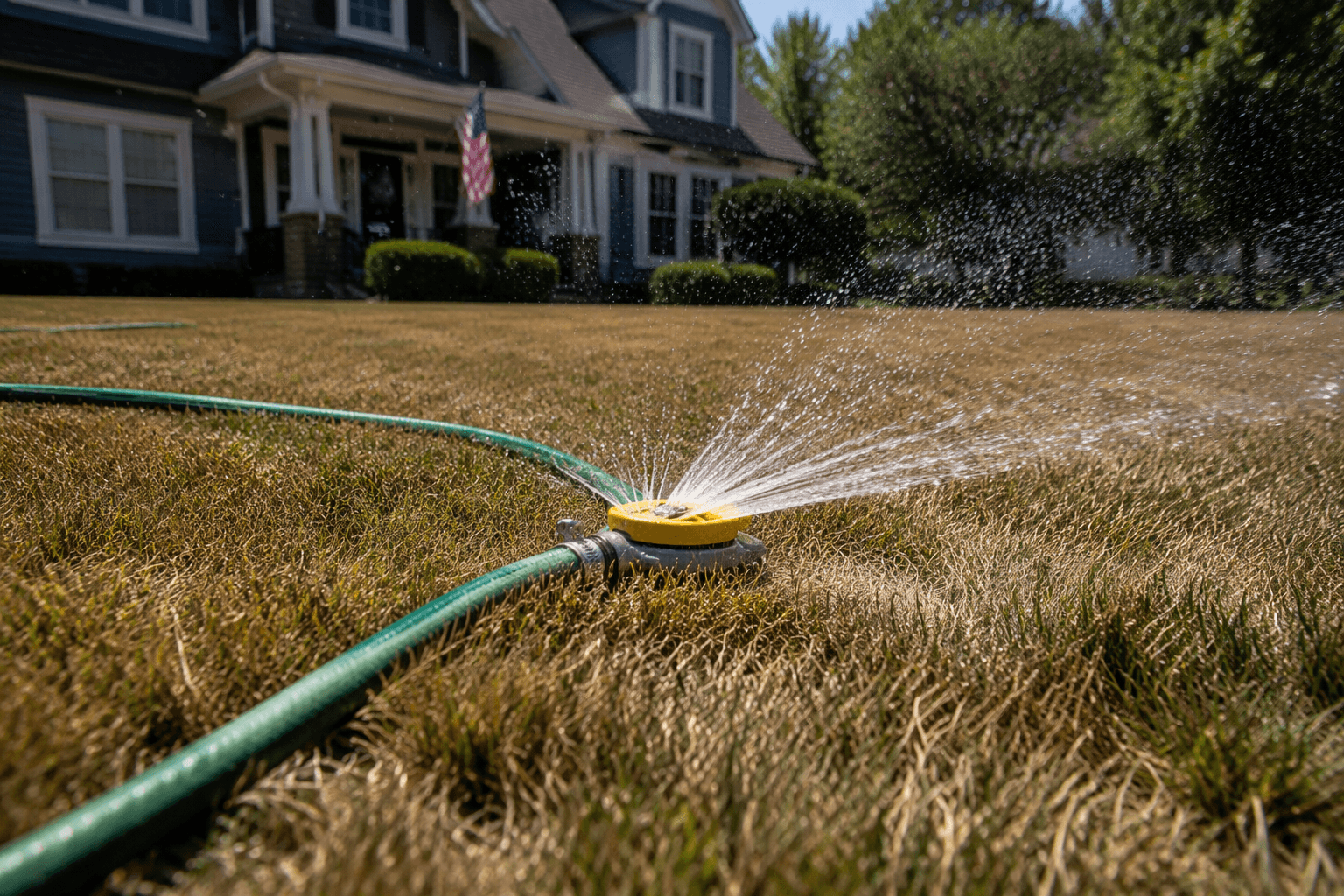
The enforcement is getting sharper in Raleigh. City officials have already issued two fines to one person for repeated violations, and the city handed out 92 official warnings in one week. That kind of response signals that the drought is no longer being treated as a matter of voluntary conservation alone. It is becoming a compliance issue with financial consequences for repeat offenders.
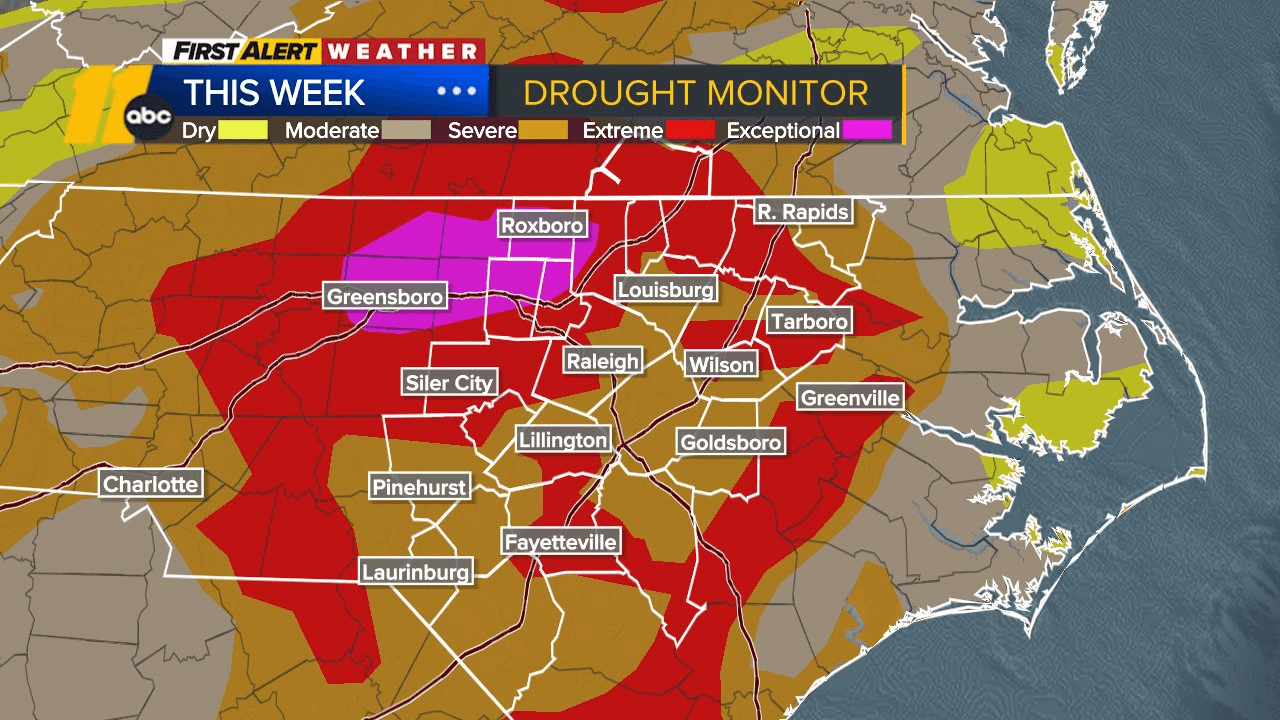
Wake County’s drought problem is also crossing municipal lines. Rolesville said most of its residents are Raleigh Water customers, and the town tied the same Stage 1 rules to severe drought in the watersheds feeding Falls Lake and Swift Creek. That means a restriction set in Raleigh can quickly reach households in nearby towns, especially where the same utility supplies drinking water and outdoor irrigation.
The broader monitoring system is still moving on a weekly cycle. The North Carolina Utilities Commission says the North Carolina Drought Management Advisory Council updates drought severity every Thursday, and WRAL noted the latest drought monitor reports are released each Thursday at 9 a.m. ABC11’s drought tracker included a July 9 drought monitor update, underscoring how quickly local restrictions can tighten when state and federal drought readings remain elevated.
Falls Lake remains part of the pressure point. The lake was about 64% full, and the Hickory Hill boat ramp was closed because of low water levels. For a fast-growing county, the mix of fines, warnings, closed access points and tighter watering rules shows how drought is already shaping local governance, not just the forecast.
This article was produced by Prism’s automated news system from verified source data, official records, and press releases, then run through automated quality and moderation checks before publishing. The system is built and supervised by the people who set the standards it runs under. Read our full AI policy.
Did this article answer your question?