Wake County launches housing push to move 400 people indoors
Wake County is putting $22 million behind Wake at Home, a plan to move 400 people out of encampments in 18 months. That works out to about $55,000 per person.
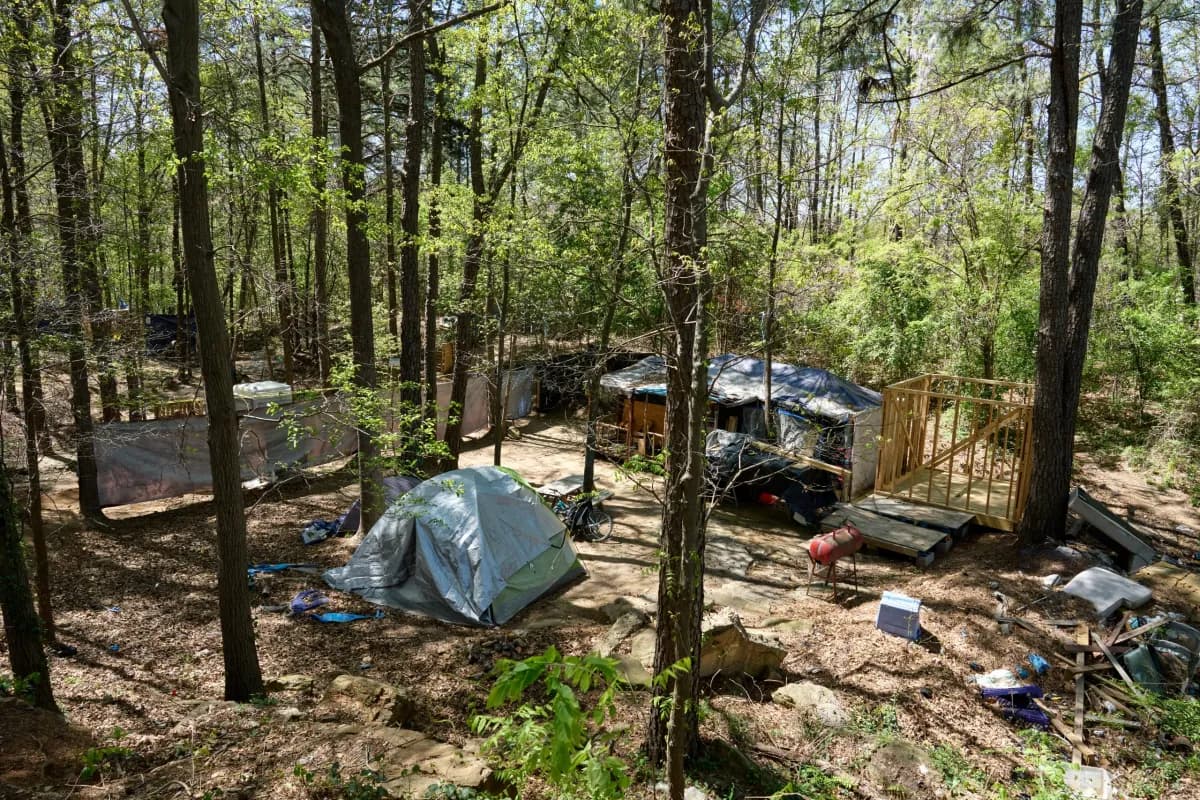
Wake County is launching Wake at Home with a $22 million first phase aimed at moving 400 people from encampments into permanent housing over the next 18 months. Measured against that target, the county is spending about $55,000 per person.
The program runs through the Wake County Continuum of Care, the countywide network that coordinates homeless services and housing placement across government agencies and nonprofit partners. Wake County says that system is meant to make homelessness “rare, brief and non-recurring,” and the new initiative is being built to move people living outdoors, in encampments or in other unstable situations into housing that lasts.
The first phase includes rental assistance for more than 400 households, along with flexible funds. That matters because the county is not presenting Wake at Home as another short-term shelter response, but as a housing placement strategy tied to ongoing support. The question now is whether that money produces durable exits from the street, not just temporary placements.
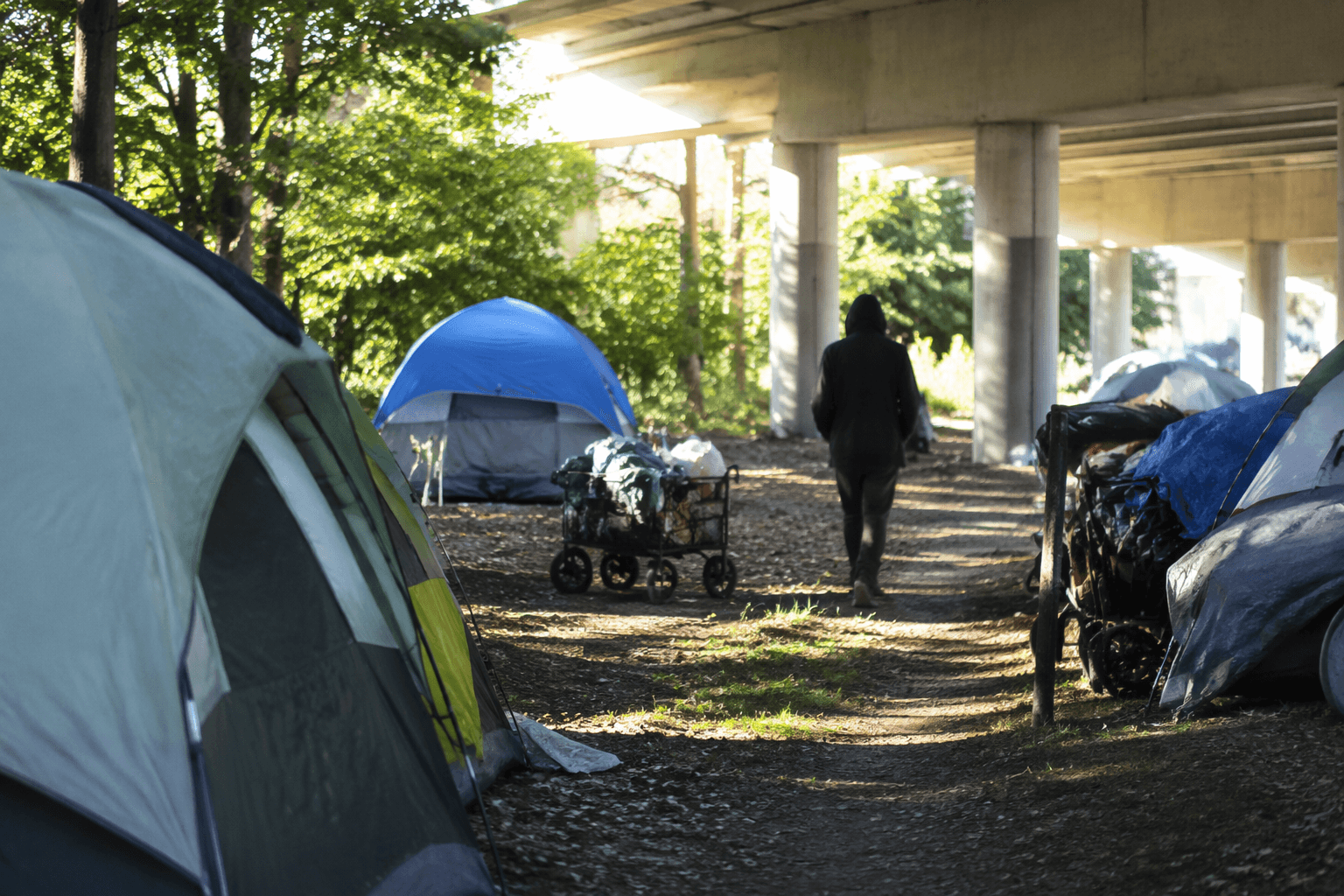
The rollout comes with a hard local backdrop. Wake County said its preliminary 2025 Point-in-Time Count found 1,258 people experiencing homelessness, a nearly 27% increase from the year before. A separate county count story in 2026 put the number at 1,050 people experiencing homelessness in the county. County officials also said unsheltered homelessness has more than doubled since 2020, and they say more than 1,000 unhoused people are sleeping each night in shelters or homeless encampments.
Wake County has also been assembling the machinery behind the effort. On April 21, 2026, the county posted a request for information for a fiscal agent tied to an initiative addressing homelessness, with responses due May 15. That points to a broader administrative push to manage public and partner dollars as the county tries to move people out of encampments and into housing at scale.
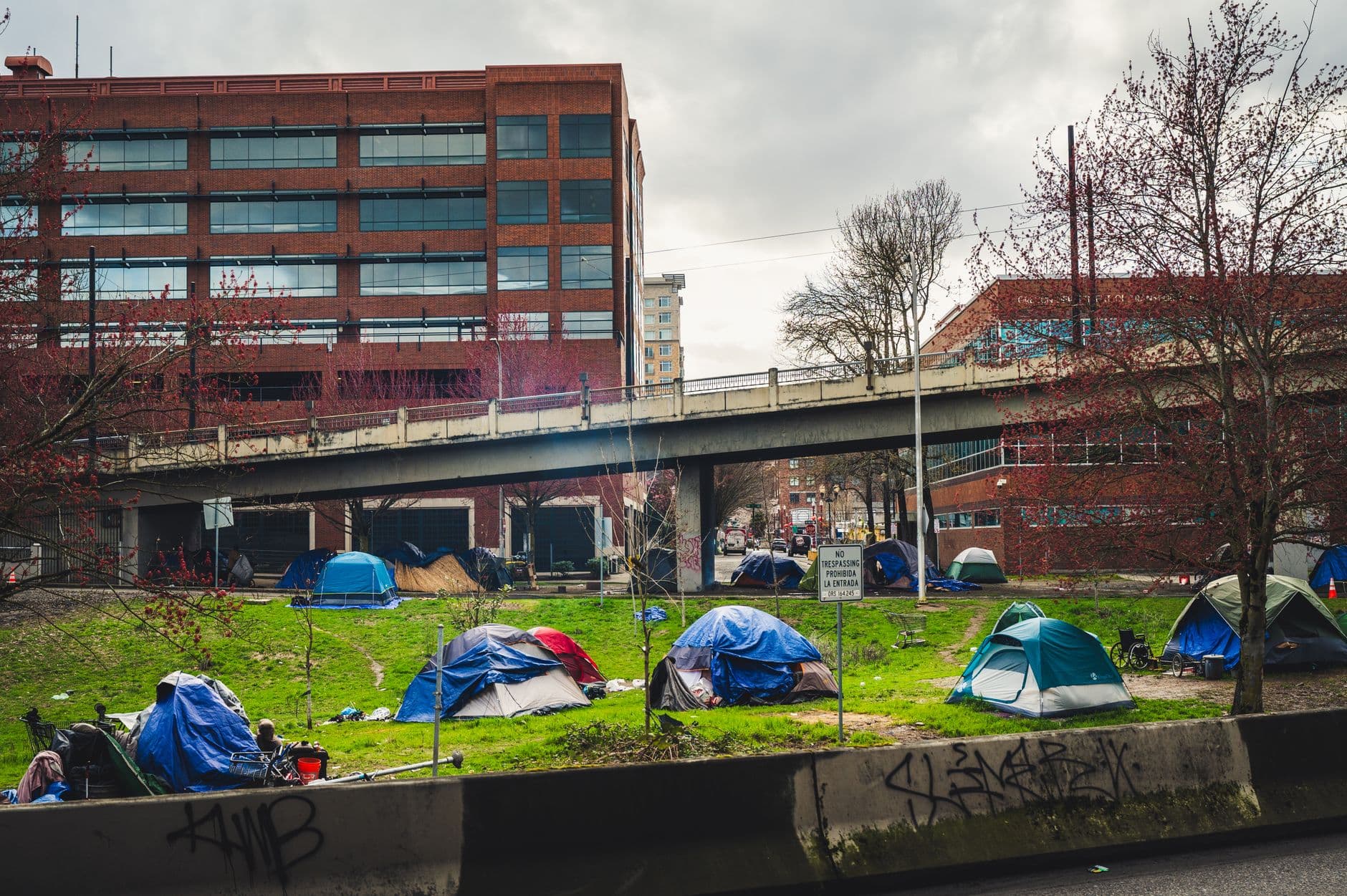
For Raleigh and the rest of Wake County, the real test will be visible in the street-level numbers: whether the 400-person target is reached, whether encampments shrink, and whether future homeless counts show fewer people living outdoors. The county has put a sizable price tag on that answer, and residents will see it in the next round of counts and in how much of the county’s visible homelessness is still on display.
This article was produced by Prism’s automated news system from verified source data, official records, and press releases, then run through automated quality and moderation checks before publishing. The system is built and supervised by the people who set the standards it runs under. Read our full AI policy.
Did this article answer your question?