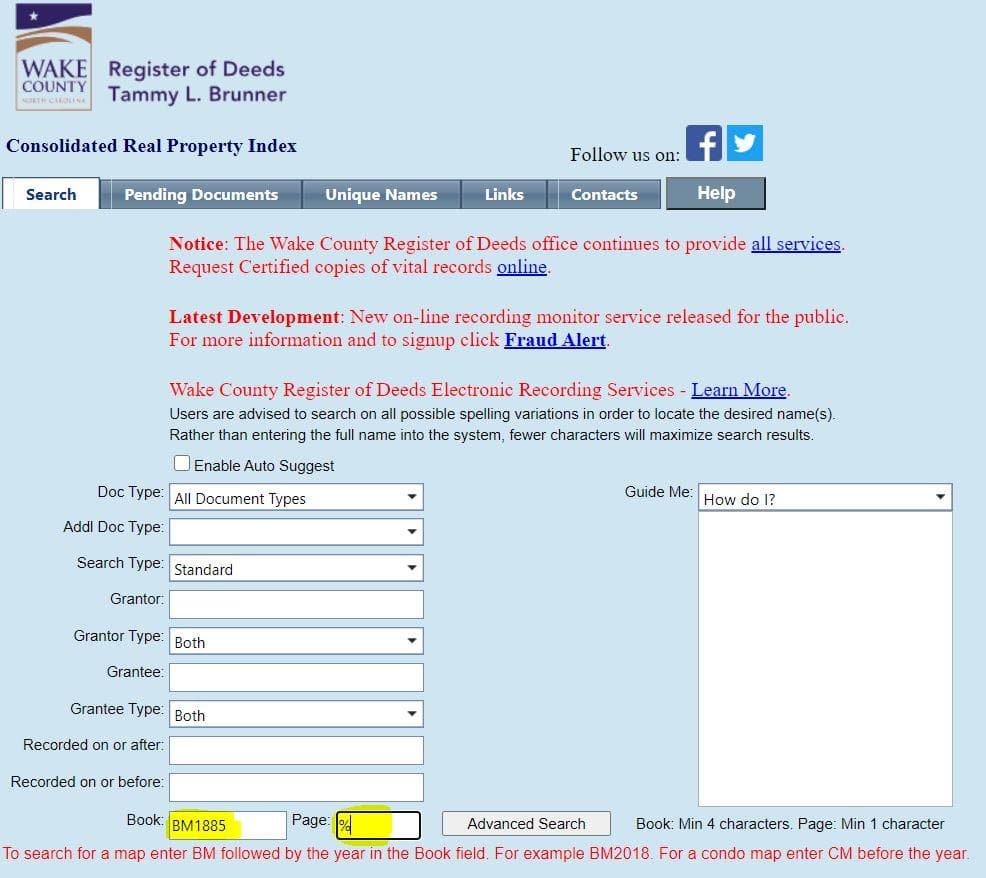
Wake County to remove online arrest records portal August 17
Wake County will pull its arrest-records portal on Aug. 17, pushing users to a downtown kiosk and narrowing instant access to records dating back to 2007.
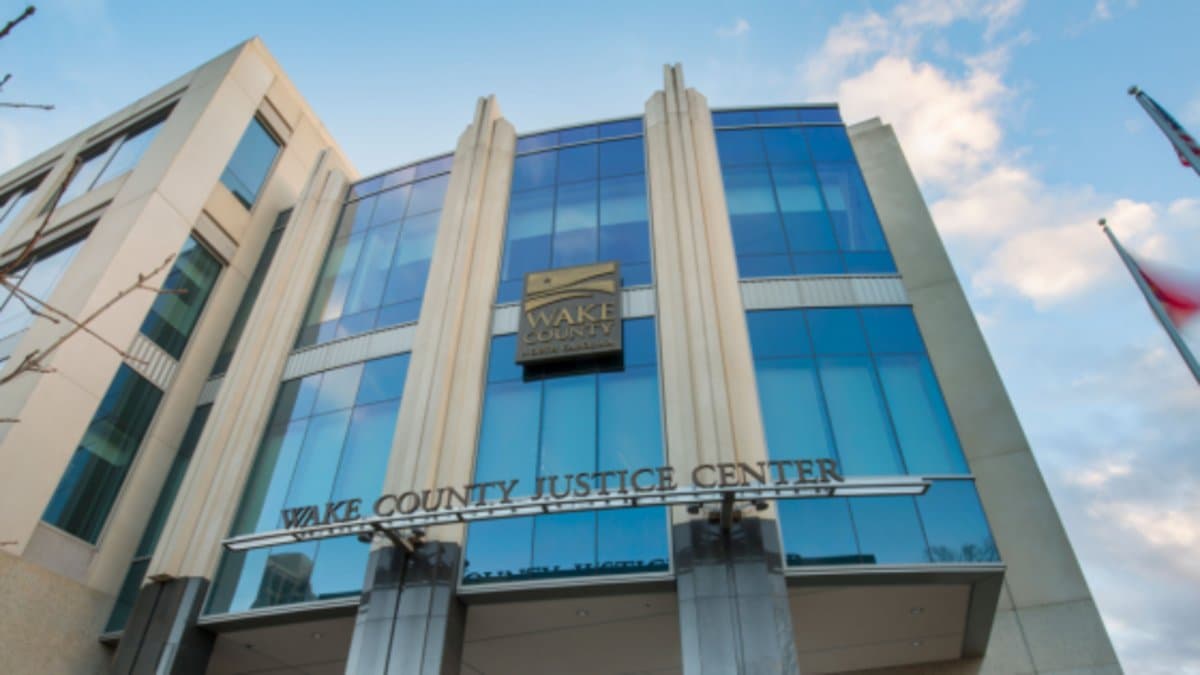
Wake County will deactivate its online arrest-records portal on Aug. 17, ending a searchable public tool that has covered county arrests since April 27, 2007. The county says the database only reflects arrests in Wake County and may already exclude some offenses that were automatically expunged under state law.
For employers, landlords, journalists, defense lawyers and families who have used the site to check an arrest from a phone or laptop, the change replaces instant searchability with a trip downtown. The county says the records are not a complete ledger, noting that it cannot guarantee every arrest is included and that some cases may have been cleared under North Carolina General Statute §15A-146(a4).
That statute has widened the gap between old arrest records and what the public can still see. One account tied to the change put the number of automatic expungements statewide at 1.8 million since the law took effect, underscoring why older arrest entries can linger in a public database even after a case has been cleared from view.
In practice, the shutdown means more delay and less convenience for anyone trying to confirm a name, check a booking, or follow up on a late-night arrest without going to county offices. The county has said the information will move to a single in-person kiosk downtown, which keeps access available but makes quick, remote searches harder and limits the kind of broad public oversight that an online index provides.
Wake County’s separate Police to Citizen portal will remain online for public-safety incident searches, and the sheriff’s office says it continues to provide online services through that system. But that portal is not the same as the arrest-records database, which has long served as one of the county’s most direct public windows into law enforcement activity.
One viewer reaction captured in televised coverage said the website helped people “find out what happened after an arrest and feel safe knowing what happened to someone in their community.” That is the tradeoff Wake County is now making: less online transparency, more privacy protection, and a narrower path for the public to review arrests without going in person.
This article was produced by Prism’s automated news system from verified source data, official records, and press releases, then run through automated quality and moderation checks before publishing. The system is built and supervised by the people who set the standards it runs under. Read our full AI policy.
Did this article answer your question?