Wake County's Keeping the Farm Workshop Returns March 11 for Farmers
Wake County's 21st Keeping the Farm Workshop drew farmers to Carya Drive as 36,000 acres of local farmland have vanished to development over the past decade.
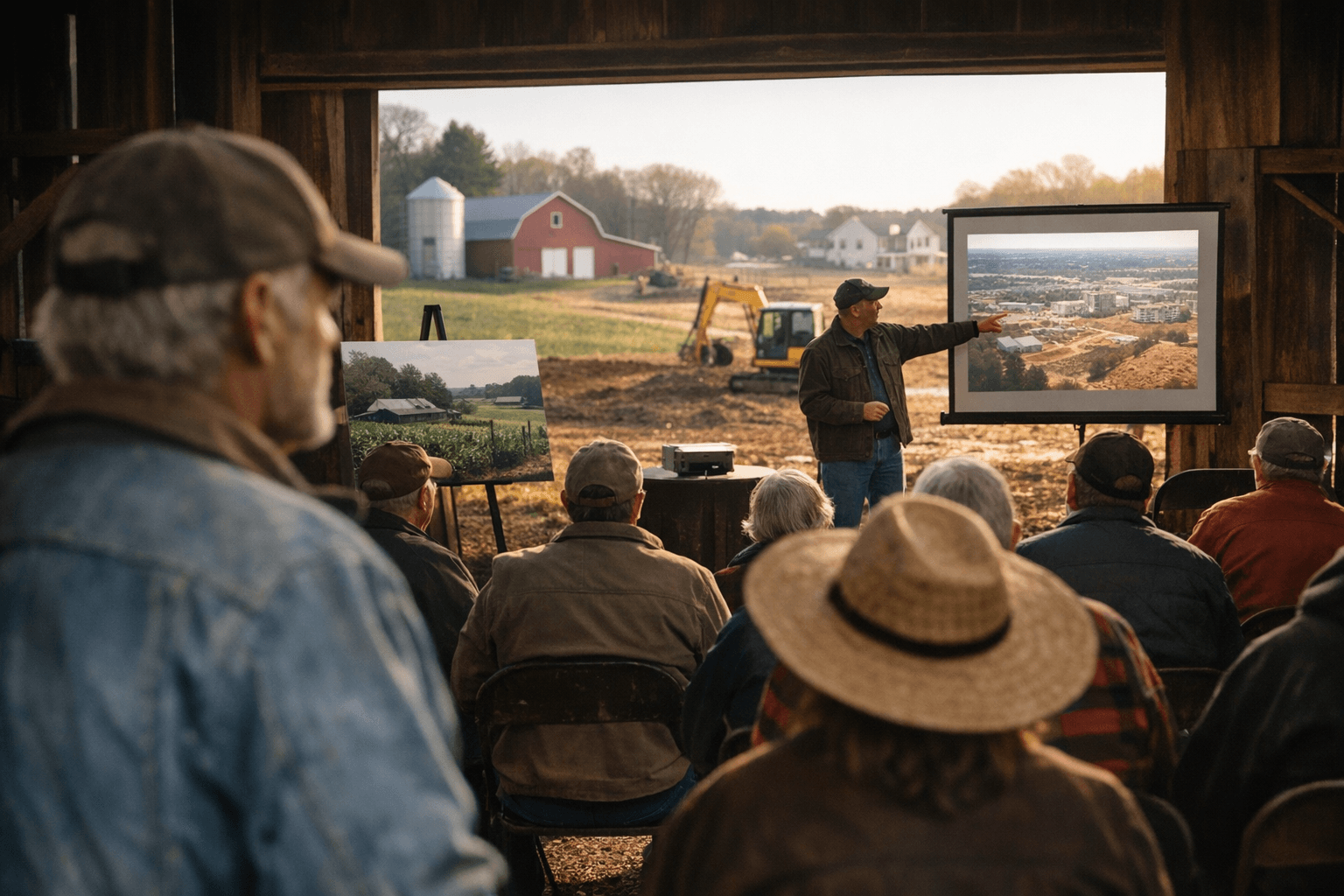
Against the backdrop of a decade that erased roughly 36,000 acres of Wake County farmland to development, the Wake County Soil and Water Conservation District brought farmers and forest landowners together March 11 for the 21st annual Keeping the Farm Workshop at the Wake County Commons Building on Carya Drive in Raleigh.
The full-day program ran from 8 a.m. to 4 p.m. and drew participants interested in preserving working lands in one of North Carolina's fastest-growing counties. Despite sustained development pressure, Wake County still counts 3,075 properties in active agricultural production, covering 82,084 acres of farm and forestland — a figure organizers say underscores both the stakes and the continued vitality of the county's farming community.
"For generations, Wake County's farmers have shaped our land and community," said Wake County Commissioner Vickie Adamson. "This workshop gives them the tools and knowledge to protect their farms and plan for the future, ensuring local agriculture remains a cornerstone of our county."
Sessions covered a range of practical challenges that working landowners face in a rapidly urbanizing county. Topics included property tax updates, deeds and public records, farm pond management, farm succession planning, wildlife programs and services, and Voluntary Agricultural Districts. The Wake County Sheriff's Office led a dedicated session on farm safety and security, addressing concerns that have grown alongside the county's population expansion.
Succession planning and Voluntary Agricultural Districts were among the more forward-looking offerings, giving landowners concrete frameworks for protecting properties from subdivision pressure and ensuring farms pass intact to the next generation. Together, those sessions addressed what organizers described as strategies for long-term farm viability and land preservation.
Registration and information were available through wake.gov/KeepingTheFarm ahead of the event. Now in its 21st year, the workshop has become a recurring anchor for Wake County's agricultural community as the county's rural and urban landscapes continue to collide.
This article was produced by Prism’s automated news system from verified source data, official records, and press releases, then run through automated quality and moderation checks before publishing. The system is built and supervised by the people who set the standards it runs under. Read our full AI policy.
Did this article answer your question?