Wake County's Tamara Zishuk Lerner Named to National Catalyst Cohort
Tamara Zishuk Lerner of the Jewish Federation of Greater Raleigh was named to a national Catalyst cohort, bringing training and up to $7,000 in microgrant funding to bolster local service programs tackling food insecurity and homelessness.
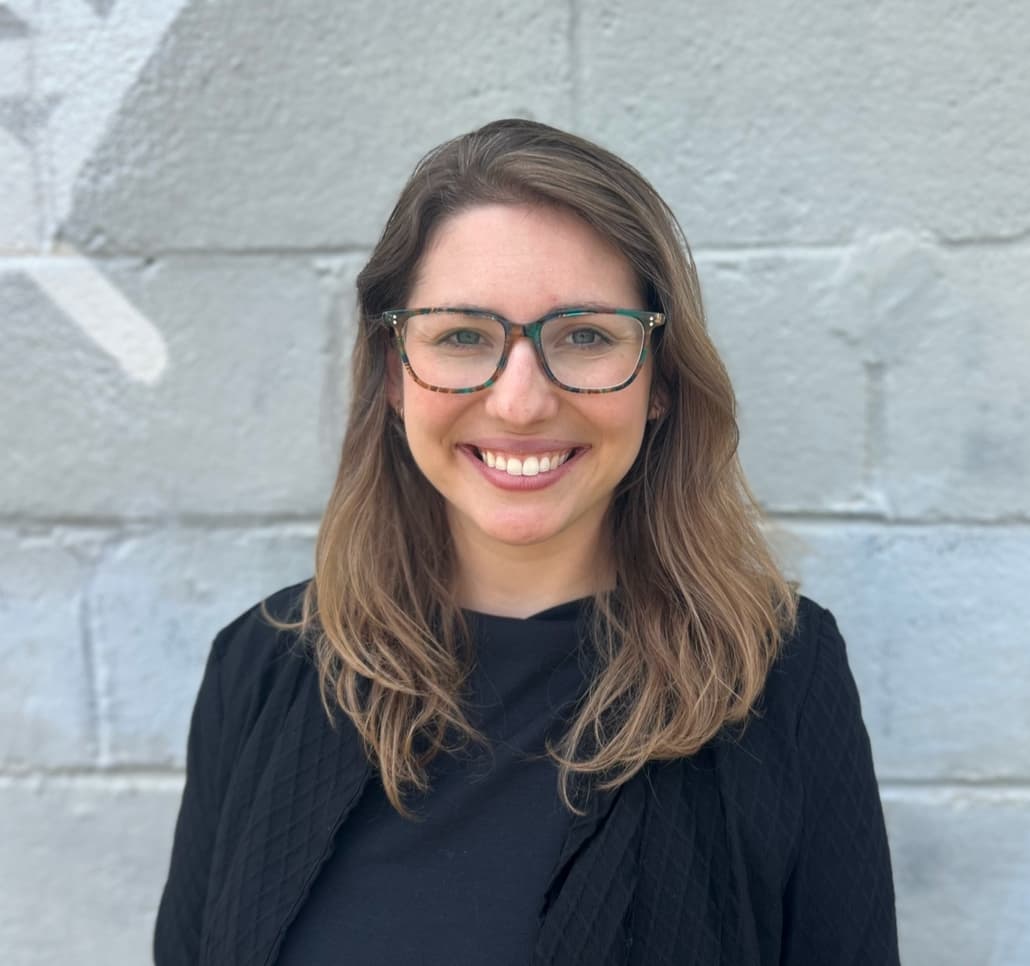
Tamara Zishuk Lerner, senior manager of programs and development for the Jewish Federation of Greater Raleigh, was named to the fourth Catalyst cohort, a national professional development initiative led by Repair the World in partnership with Jewish Federations of North America. The selection places a Wake County leader in a five-month program designed to strengthen how federations engage young volunteers and deliver service-learning that addresses community needs.
The Catalyst fellowship brings 11 federation professionals from across the United States and Canada together to work through Repair the World’s curriculum, participate in community building, and take part in an in-person Jewish service and learning experience at the FedPro conference. Fellows also receive microgrant funding of up to $7,000 to pilot or expand service initiatives. For Wake County, that funding and training capacity can translate into tangible support for local efforts addressing food insecurity, poverty, and homelessness.
Zishuk Lerner said participation connects the local federation to national best practices and helps build programs addressing local needs through service-plus-learning models. That alignment matters in Wake County, where social determinants of health such as food access and housing stability directly affect community well-being and strain public and nonprofit systems.
The Catalyst program emphasizes not only volunteer mobilization but also reflective learning, which can deepen volunteer retention and improve program outcomes. For organizations serving residents in Raleigh and the broader Triangle, adopting service-learning models trained through Repair the World could mean more youth and young adults engaged in sustained volunteering, and initiatives that tie direct service to education about systemic causes of poverty and homelessness.

The Jewish Federation of Greater Raleigh has historically partnered with local agencies on hunger relief and shelter services. The new fellowship offers a chance to test locally tailored pilots with measurable goals, backed by microgrants. Smaller-scale projects funded at the $5,000 to $7,000 level can seed partnerships, fund staff time, or expand volunteer-driven programs that otherwise struggle to secure startup dollars.
Public health officials and community advocates will likely watch how these pilots intersect with county priorities, including food access networks, affordable housing strategies, and coordinated volunteer platforms. If service-plus-learning projects successfully link volunteer activity with partner agency capacity, Wake County could see incremental yet meaningful improvements in service delivery and volunteer pipelines.
For residents, the practical outcome may be clearer pathways to volunteer, more youth-focused service opportunities, and programs that address immediate needs while building longer-term community awareness. Expect the Jewish Federation of Greater Raleigh to announce specific pilots and volunteer opportunities in the months ahead as cohort work ramps up and microgrant-funded projects move from planning to implementation.
This article was produced by Prism’s automated news system from verified source data, official records, and press releases, then run through automated quality and moderation checks before publishing. The system is built and supervised by the people who set the standards it runs under. Read our full AI policy.
Did this article answer your question?