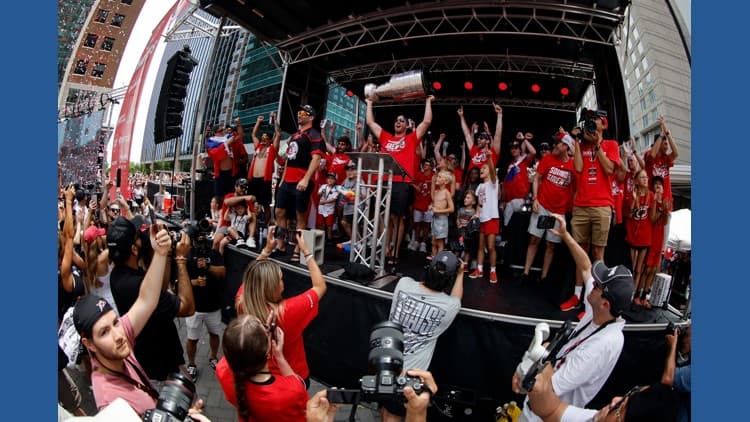
Wake Forest concert series debate grows over safety, policing and business impact
Armed rooftop police at Friday Night on White have raised questions about whether Wake Forest’s biggest downtown concert has outgrown its streets. B & W Hardware says the crowds now bring damage, theft and disruption.
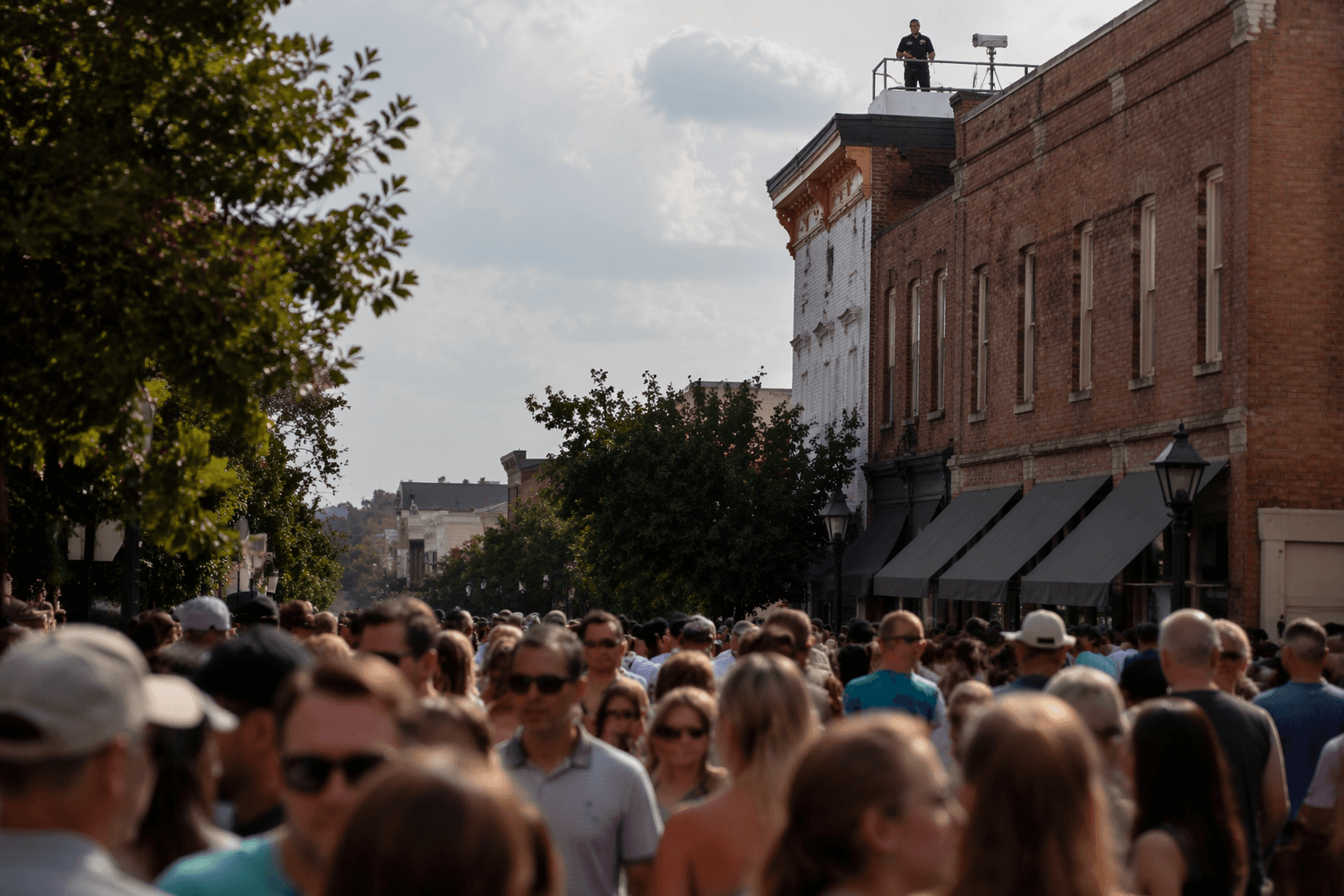
Wake Forest’s Friday Night on White has become a test of how much security a family-friendly downtown concert can absorb before it starts to change the feel of the block. B & W Hardware, on South White Street, says the series has brought property damage, shoplifting and repeated problems with unruly or intoxicated customers, and that officers with long guns began taking positions on nearby rooftops in May as crowd-control concerns grew.
The store said the event has become more of a burden than a benefit for a business that does not sell food or alcohol. That complaint lands in a downtown that has built a major summer draw around the concert series, which the town says began in 2016 and runs free from 6 to 9 p.m. on the second Friday of each month from April through September. A Wake Forest Business & Industry Partnership estimate put typical attendance at about 10,000 people, and vendors and food trucks have commonly set up in the Depot Parking Lot, widening the event’s footprint beyond the stage area itself.
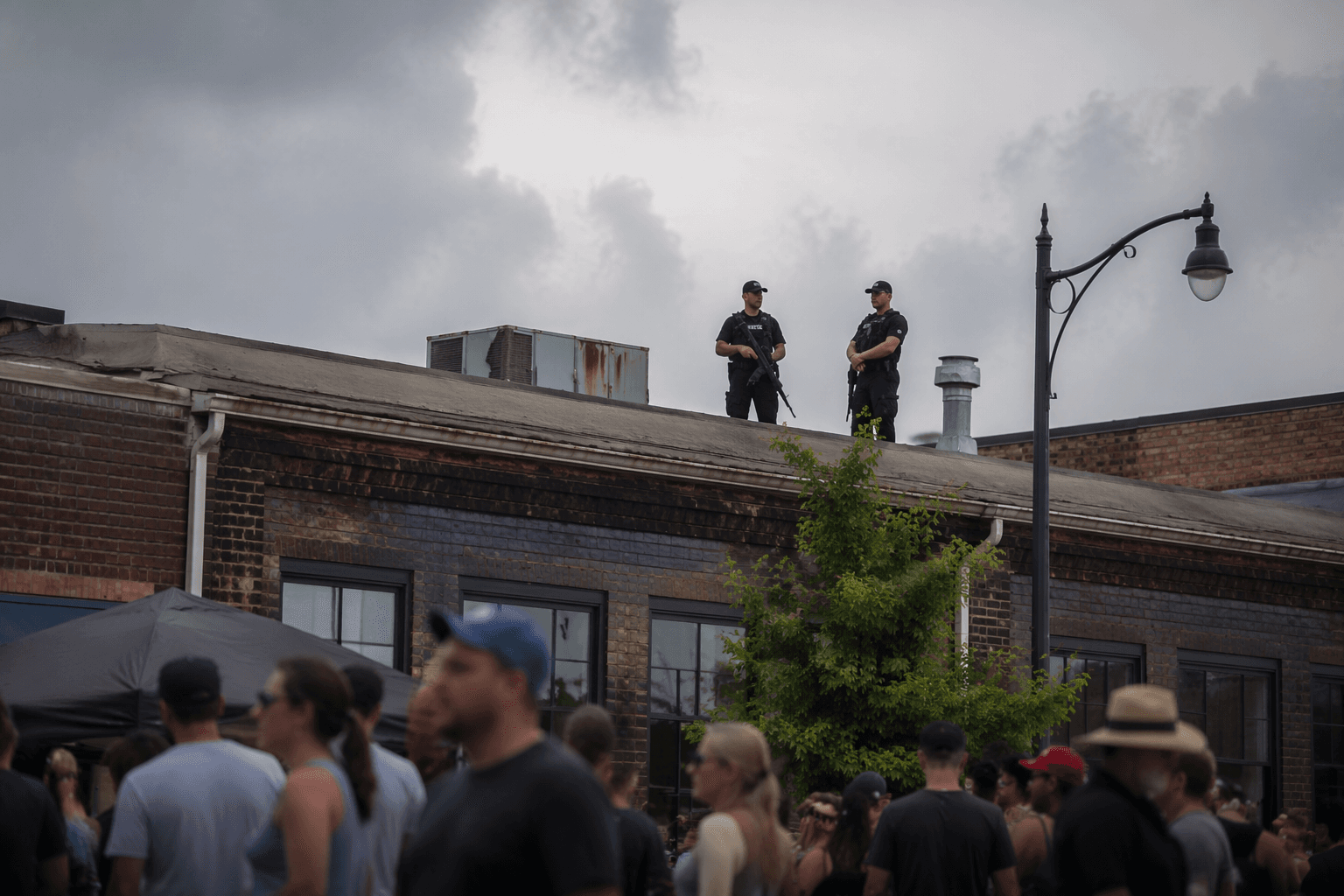
Town officials pushed back hard on the idea that the rooftop security was unusual or improvised. Wake Forest police received permission from property owners to place officers above businesses, town spokesperson Bill Crabtree said, and the rifles were real firearms, not pepper-ball weapons as the hardware store suggested. The town has said elevated positions are a standard way to manage crowds, and it pointed to another local example, the July 3 fireworks spectacular at Heritage High School, where similar rooftop placements have been used.
The debate has also spilled into the business community. The Yellow Butterfly said it would close early during the concerts, and B & W Hardware said it was closing its doors during Friday Night on White after citing safety and business concerns. Wake Forest Commissioner Adam Wright said he would bring the series into a downtown-business summit, a sign the argument is no longer just about one event night but about how much pressure downtown can take.
For town leaders, the series remained a success: the 2026 season opened April 10 and was scheduled to run through Sept. 11, with all sponsorships already sold out. But the dispute now sits at the center of a larger question facing growing downtowns across Wake County: how to keep a popular street festival lively without making nearby storefronts feel like they are policing it themselves.
This article was produced by Prism’s automated news system from verified source data, official records, and press releases, then run through automated quality and moderation checks before publishing. The system is built and supervised by the people who set the standards it runs under. Read our full AI policy.
Did this article answer your question?