WakeMed, Atrium met with politicians as public sought answers
WakeMed and Atrium met with Wake County officials as residents waited for answers on a proposed combination that could reshape access, pricing and control of care.

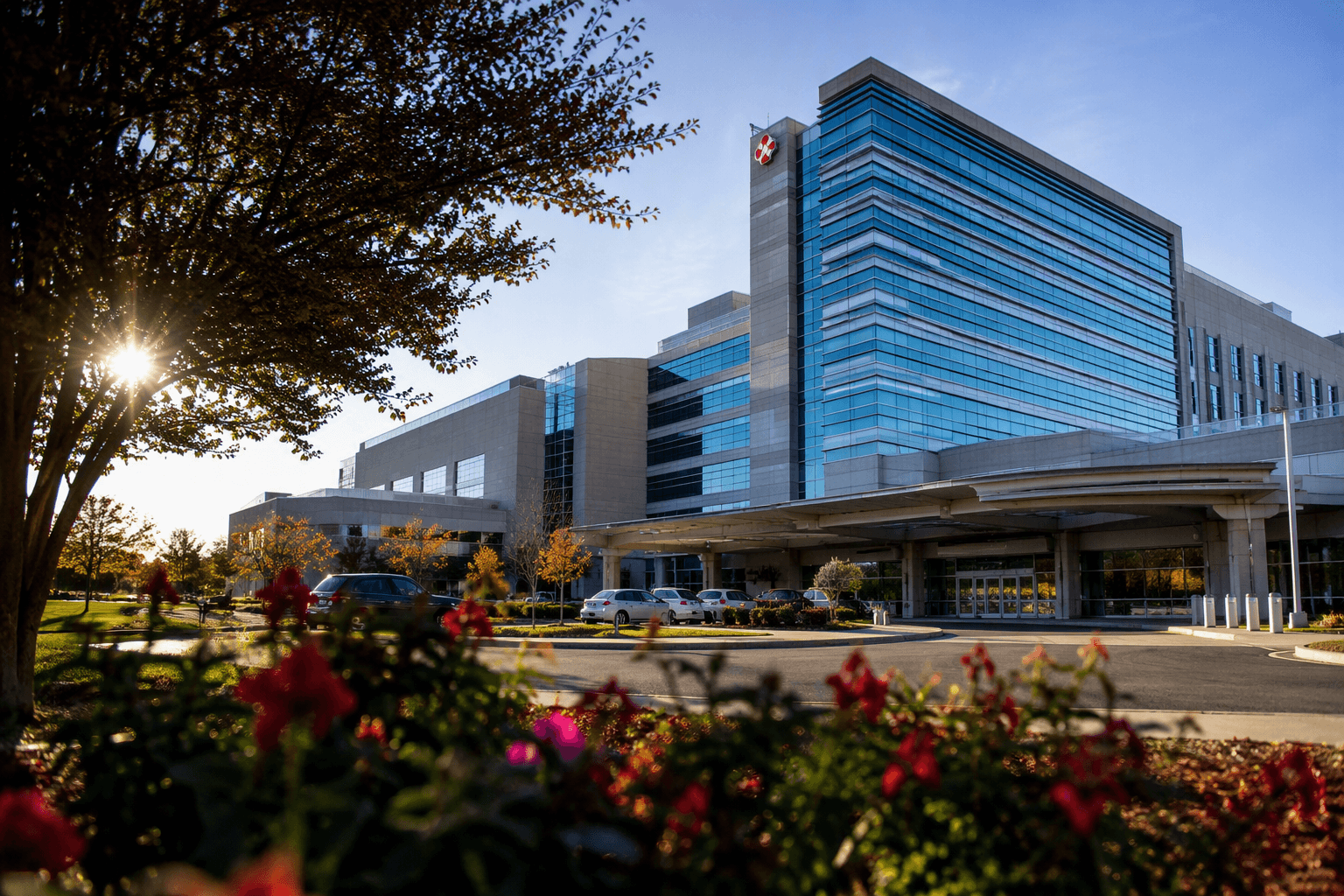
Wake County commissioners heard from WakeMed and Atrium Health officials at a June 8 work session as patients still had no clear answer about how the proposed strategic combination could change access, pricing and control of local care. The deal required the blessing of Wake County commissioners to move forward, giving the board direct leverage over one of the region’s most consequential health care decisions.
WakeMed and Atrium announced the planned combination on May 6, saying the proposal was meant to expand access to world-class care. Materials tied to the deal described a $2 billion Atrium commitment to WakeMed initiatives and a projection of 3,300 new health care jobs in Wake County, numbers that immediately raised the stakes for families who rely on WakeMed’s hospitals, emergency rooms and specialty services.

The pushback began before the hospital systems had fully sold the idea in public. North Carolina State Auditor Dave Boliek called for a delay on May 3, and state and local officials, lawmakers and other elected officials urged commissioners the next day to pause and deliberate. Wake County government later delayed consideration of agenda item 16, which involved legal documents tied to the strategic combination, so there would be more stakeholder engagement and additional discussion.
WakeMed did hold community forums, including a first round of public meetings starting May 20 and a forum at Cary Hospital on May 27, but the process still left major questions unanswered for Wake County residents. By the time commissioners met with the systems’ leaders in June, the board had already become the key local gatekeeper for a proposal that could affect hospital governance, staffing, emergency care access and service lines across the county.
The scrutiny has centered on what was said in public, and what was not. WakeMed leaders framed the combination as a way to broaden care, but residents were left to infer the tradeoffs: whether the deal would change who makes decisions about local hospitals, how much control Wake County would keep over a major health system, and whether promised investments would reach patients in Raleigh, Cary, Wake Forest and elsewhere.
The delay keeps those questions alive. For Wake County patients, the unresolved issue is not whether WakeMed and Atrium can make a case for growth, but whether the people who depend on those hospitals will get a full accounting before the county helps decide the future of care.
This article was produced by Prism’s automated news system from verified source data, official records, and press releases, then run through automated quality and moderation checks before publishing. The system is built and supervised by the people who set the standards it runs under. Read our full AI policy.
Did this article answer your question?