Alcohol-related liver disease may be far more common, experts warn
Hidden liver damage can be easy to miss. In Yuma County, alcohol also showed up in 31 DUI arrests and 3.71% of traffic crashes in 2023.

Americans who drink heavily are now more than twice as likely to develop significant liver disease than they were 20 years ago, a finding that lands hard in Yuma County, where alcohol was tied to 31 DUI arrests and 3.71% of 996 traffic accidents in 2023.
The warning is especially troubling because alcohol-related liver disease can stay hidden until it is much harder to treat. A March 2026 study in The Lancet Gastroenterology & Hepatology found that adjusting for alcohol underreporting revealed a higher burden of alcohol-related liver disease and MetALD than previously recognized, reinforcing the idea that some patients are not getting an accurate picture of their own risk.
Dr. Joseph Volpicelli of the Institute of Addiction Medicine said the key step is honesty with a doctor about drinking, because early diagnosis makes treatment easier. That message matters in a county where families often see alcohol’s consequences in two places at once, in clinics and on the road.
The local health system is built to respond to that kind of risk. The Yuma County Public Health Services District says its mission is to prevent disease, promote healthy behaviors and assure access to health services. County health pages also point residents to community health assessment and improvement planning resources, part of a broader push to connect prevention with treatment before problems become crises.
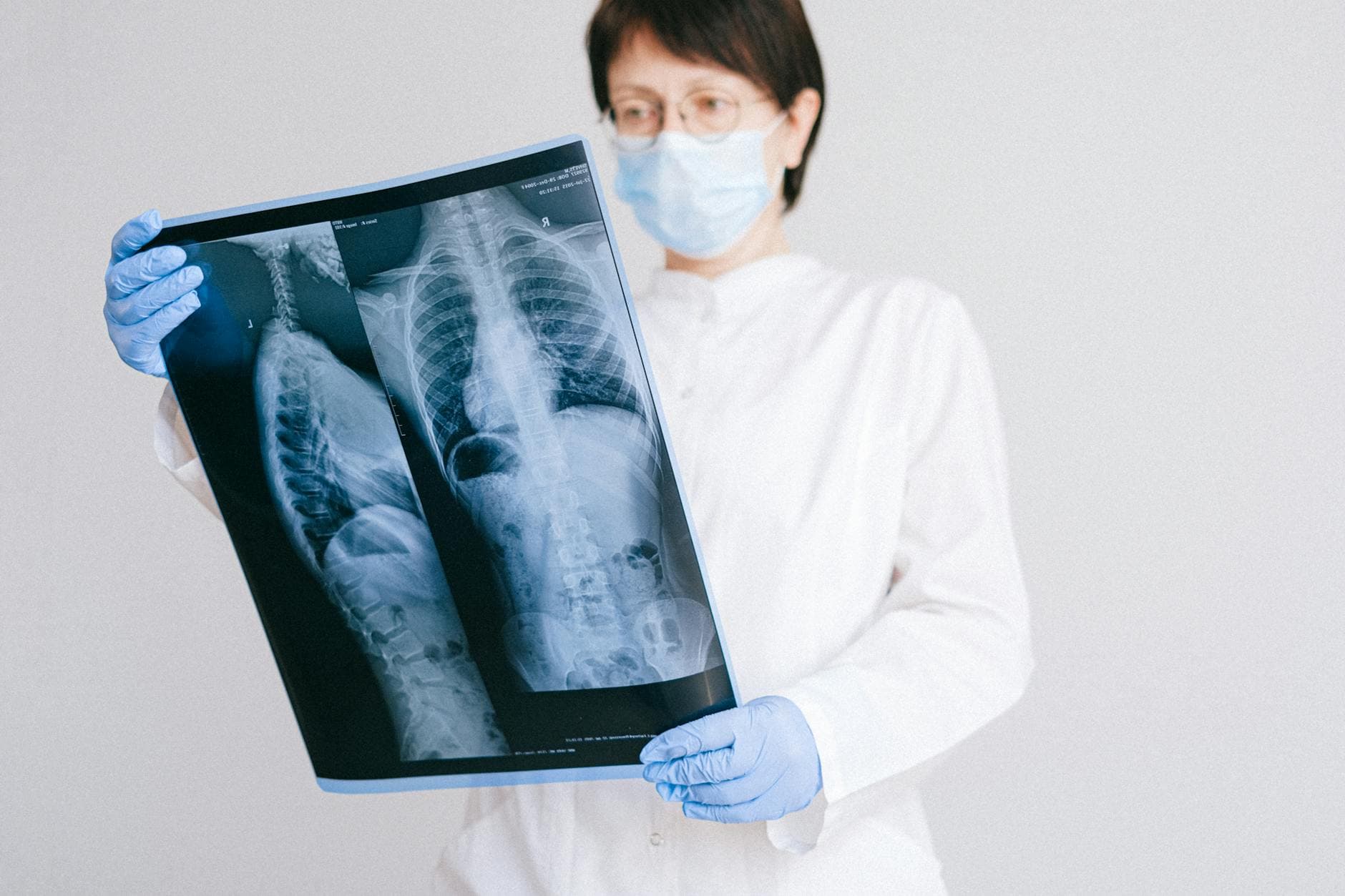
National research suggests the pattern is changing, not just growing. A July 23, 2025 report from Keck Medicine of USC said Americans who drink heavily are more than twice as likely to develop significant liver disease compared with 20 years ago. The study used National Health and Nutrition Examination Survey data from 1999 to 2020 and found that women, adults 45 and older, people living in poverty and people with metabolic syndrome made up a larger share of heavy drinkers than they did two decades earlier.
The same USC report said alcohol-related liver disease is the main cause of liver-related death. It also noted that the average drinking rate in the United States did not change in the 20 years before the COVID-19 pandemic, suggesting that the rise in severe liver disease may be driven by more than overall alcohol consumption alone.
That concern is sharpened by the March 2026 Lancet study, which identified type 2 diabetes and binge drinking as leading mortality risk factors across the steatotic liver disease spectrum. For Arizona families, state-level context is available through SAMHSA’s Arizona Behavioral Health Barometer, which uses 2021-2023 survey data, and the Arizona Youth Survey, which publishes county reports every even year. Together, those sources point to the same conclusion: the danger is easy to underestimate, but the cost of waiting is not.
This article was produced by Prism’s automated news system from verified source data, official records, and press releases, then run through automated quality and moderation checks before publishing. The system is built and supervised by the people who set the standards it runs under. Read our full AI policy.
Did this article answer your question?