Arizona lawmakers advance bill criminalizing ICE arrest warnings
In Yuma County, a bill backed by Arizona Republicans could turn ICE warning texts, whistles and social-media posts into a Class 1 misdemeanor.
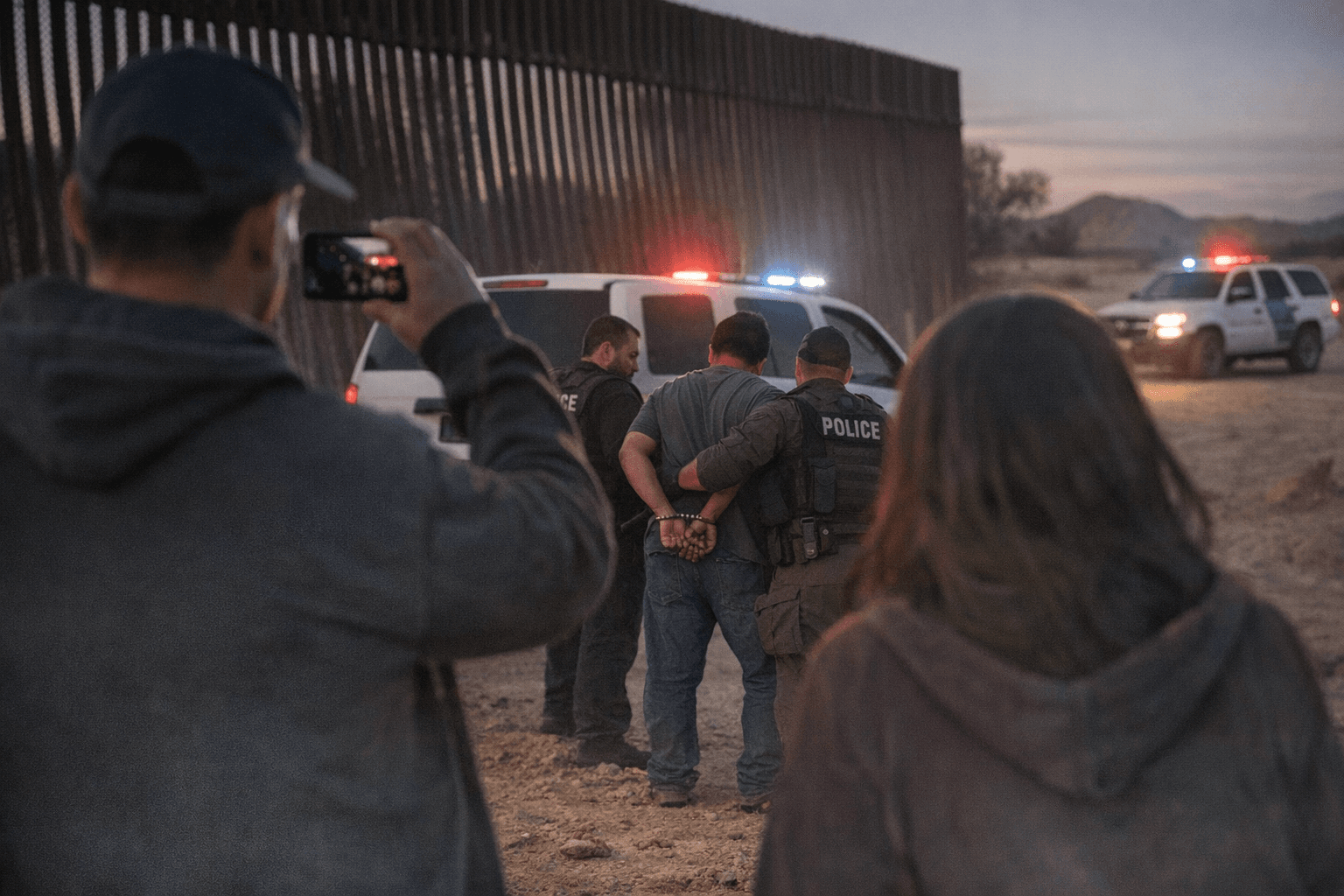
Arizona lawmakers advanced a proposal that would make it a crime to warn a specific person about an imminent or ongoing ICE arrest, a move that lands hardest in Yuma County, where immigration enforcement is constant and migrant labor underpins the farm economy. With 224,449 residents, 66.1% Hispanic or Latino, 25.1% foreign-born and 55.5% of people age 5 and older speaking a language other than English at home, the county is exactly the kind of place where an ICE alert can ripple through entire neighborhoods, packing sheds and school pickup lines.
Senate Bill 1635, titled unlawful alert; arrests, says a person commits unlawful alerting if, with the intent to hinder, delay or prevent the lawful arrest of a specific person, they knowingly communicate information warning that person of a real-time, imminent or ongoing arrest effort by local, state or federal law enforcement. The House-engrossed version would make that a Class 1 misdemeanor, which Arizona sources say can carry up to six months in county jail and a $2,500 fine. The bill exempts attorneys providing lawful advice to clients.
Supporters, including Sen. John Kavanagh of Fountain Hills, say the measure closes a loophole in existing obstruction laws. But Democrats, including Rep. Nancy Gutierrez and Sen. Analise Ortiz, say the wording is broad enough to criminalize speech itself. They warn that bells, whistles, gestures, written notes and social-media posts could all become legally risky if a prosecutor argues the message was meant to help someone avoid arrest.
That civil-liberties fight has been sharpened by recent Arizona immigration politics. Gov. Katie Hobbs vetoed SB 1164, the Arizona ICE Act, in April 2025 after Republicans pushed for closer state and local cooperation with federal immigration authorities. The current debate also follows a 2025 flare-up over Ortiz’s Instagram post about ICE activity near a Phoenix elementary school, which became a reference point for Republican calls to investigate her actions.
In Yuma County, where families often live in the same orbit as field crews, crop harvests and border enforcement, the practical question is no longer abstract. A neighbor warning another neighbor, a worker texting relatives, or a community organizer posting about a van in the area could all be scrutinized under the new standard if lawmakers finish turning the proposal into law. In a county this connected to immigration operations, the bill would not just test the reach of Arizona criminal law. It would test how freely residents can warn one another when federal agents are near.
This article was produced by Prism’s automated news system from verified source data, official records, and press releases, then run through automated quality and moderation checks before publishing. The system is built and supervised by the people who set the standards it runs under. Read our full AI policy.
Did this article answer your question?