Yuma panel rejects heavy industrial rezoning for 617-acre site
A 3-2 vote blocked heavy industrial rezoning for 617 acres at SR-195 and Avenue A, leaving Yuma’s spaceport-linked land fight alive.
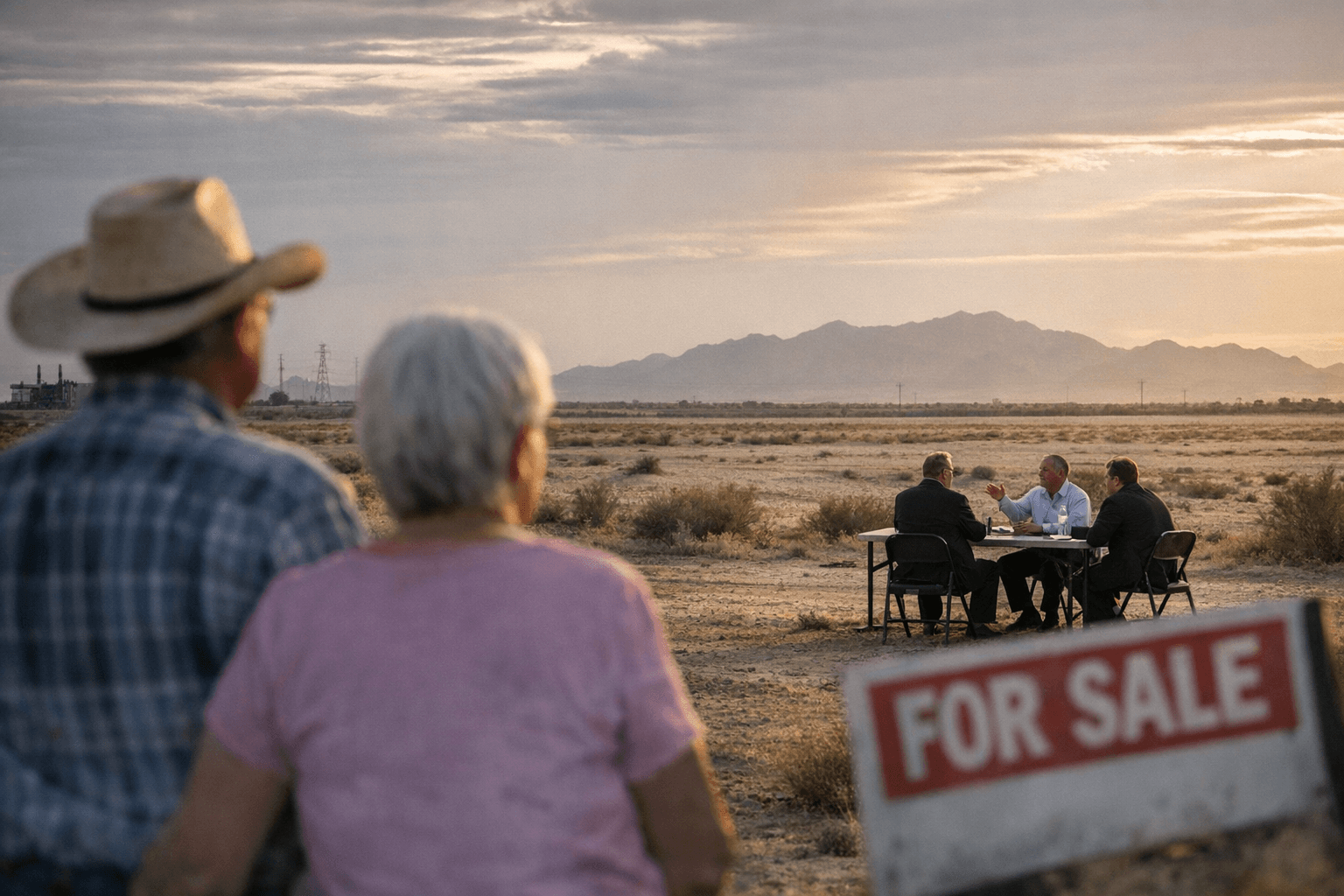
A 3-2 vote stalled a push to turn 617 acres of farmland at State Route SR-195 and the Avenue A alignment into heavy industrial ground, a decision that could shape how Yuma grows, where future industrial uses go and whether the city’s long-range spaceport plans move forward.
The Yuma Planning and Zoning Commission rejected the request to rezone the property from Agriculture, or AG, to Heavy Industrial, or H-I, after the case was continued from the March 23, 2026 meeting and returned for public comment on April 13, 2026. City filings place the land at the northeast and southeast corners of SR-195 and the Avenue A alignment, a corridor that has become one of the city’s most closely watched development fronts.
The split vote matters because the commission is a seven-member body that generally makes recommendations to the City Council on rezoning requests. That means the rejection is not necessarily the end of the matter. If city leaders choose to keep pressing the issue, the council could still be asked to take up some version of the proposal and decide whether the land should stay agricultural or be opened to heavy industrial use.
The land-use debate is tied to a broader economic-development fight that has been building for more than a year around Yuma’s effort to position itself as Arizona’s spaceport site. Reporting from the meeting said city staff described the rezoning as speculative, while commissioners questioned whether the property was really intended for a future spaceport. After the vote, some commissioners said they believed that was exactly the purpose. A March 2026 city council update said the proposed spaceport could still be five to 10 years away from becoming reality.
For nearby property owners and landholders along the SR-195 corridor, the commission’s rejection preserves the current agricultural zoning for now, but it also underscores how much is at stake if the city eventually seeks a heavier industrial footprint. The same acreage that could someday help support jobs, tax base growth and aviation-related investment remains in agricultural use, and the next round of city action could determine whether Yuma keeps that land in production or clears the way for a much different future.
This article was produced by Prism’s automated news system from verified source data, official records, and press releases, then run through automated quality and moderation checks before publishing. The system is built and supervised by the people who set the standards it runs under. Read our full AI policy.
Did this article answer your question?